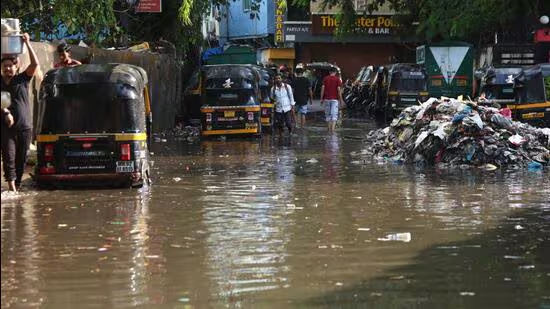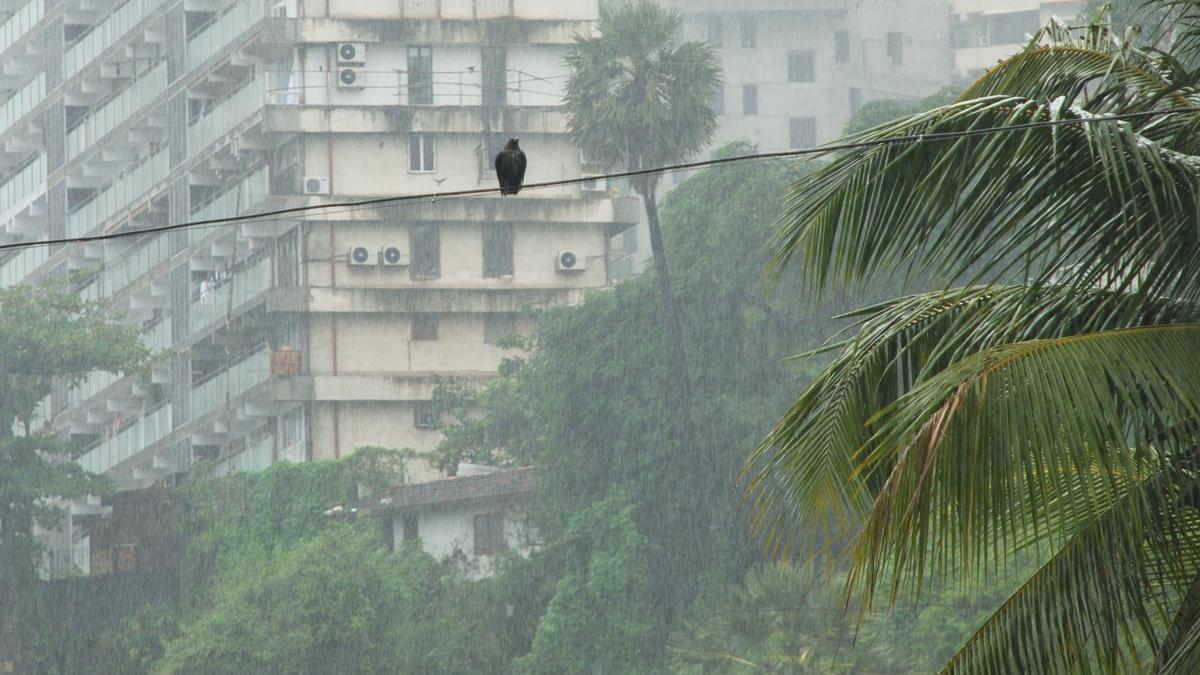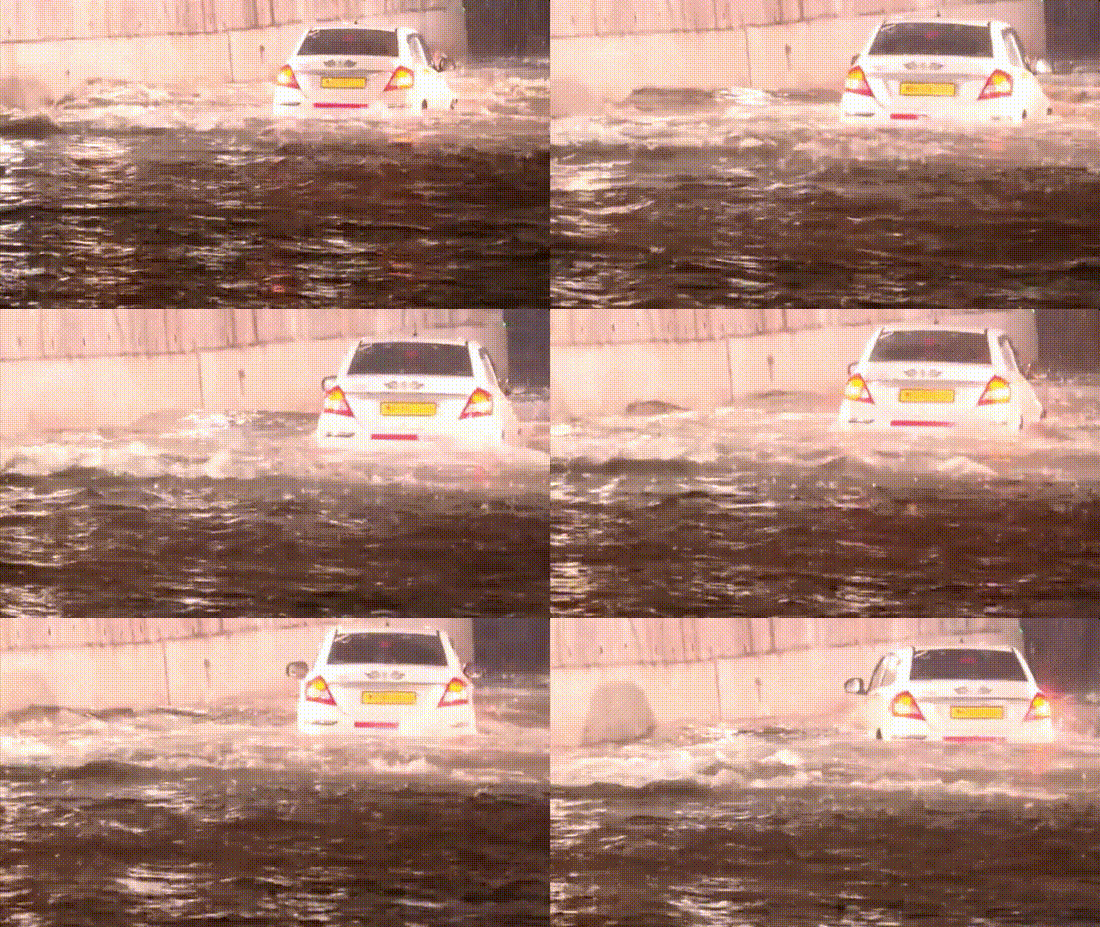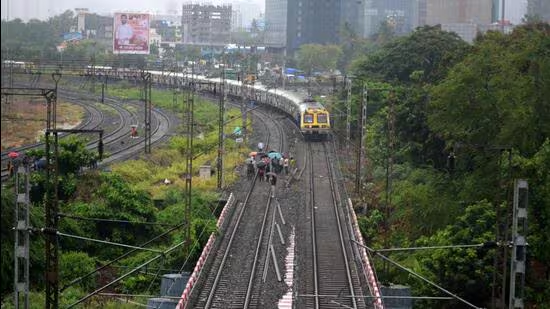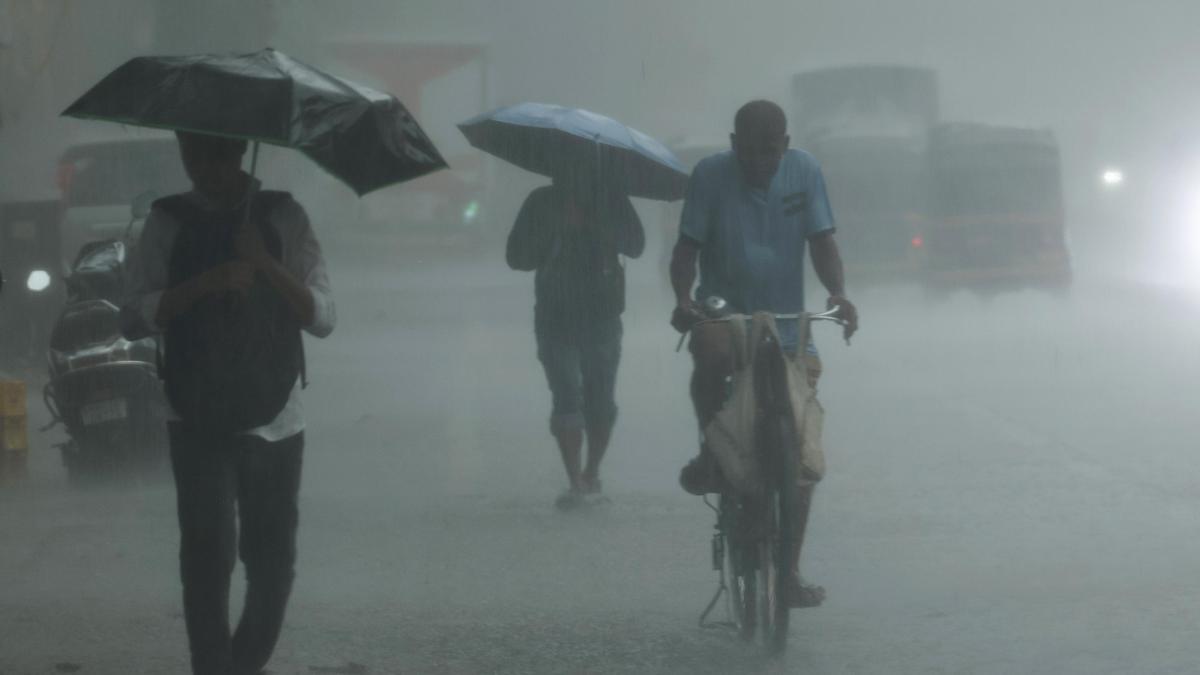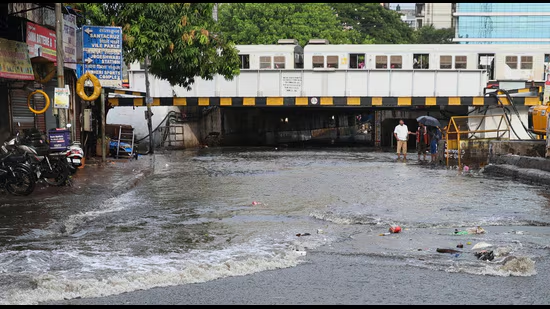
Mumbai: With pre-monsoon showers lashing the city on Wednesday, the Andheri subway had to be shut for nearly an hour in the morning owing to waterlogging, raising questions about the city’s monsoon preparedness and flood mitigation measures.The Andheri subway was closed to traffic from 7.40am till 8.24am. (Hindustan Times)Between 7am and 8am on Wednesday, the western suburbs received 9.84mm rainfall; most of it was concentrated in the K/West, which recorded 45.6mm rainfall. Waterlogging was reported from 7.15am onwards at several locations near the Andheri subway, such as SV Road, Vakola and Link Road, leading to the subway being closed to traffic from 7.40am till 8.24am.Local residents and opposition leaders including Varsha Gaikwad and Sachin Sawant from the Congress, Shiv Sena (UBT) leader Aditya Thackeray, and Raees Shaikh from the Samajwadi Party slammed the Brihanmumbai Municipal Corporation (BMC) for its lack of preparedness.Citizen activist Zoru Bhathena complained of waterlogging on the Santacruz Chembur Link Road (SCLR), and the T1 airport junction going towards Vakola flyover, which led to 10-15 minute traffic jams on the Western Express Highway (WEH).“Even the Vakola flyover was completely jammed at 7.30am,” complained Bathena. “If this is the state of Mumbai’s monsoon preparedness, it is clearly a sign of all public money having gone down the drain.”Though the BMC has managed to prevent flooding at the Milan and Dahisar subways, the unique topography of the Andheri subway poses unique challenges in implementation of flood mitigation measures, said Abhijit Bangar, additional municipal commissioner (projects), BMC.“The Andheri subway has a catchment of 761 hectares. The challenge is the sheer force with which water flows here, equivalent to five times the holding capacity of the Milan subway,” Bangar said.Among the four drains that direct water towards the subway, two are 5 metres wide while the width of the remaining two drains are 1.5 metres. Thus, water from the cumulative drain width of 13 metres flows into the subway, which is only 1.1 metres wide.Bangar said that as per the BMC’s study, the subway begins flooding at 35mm rain per hour. Rainfall of 55mm per hour could lead to a water flow of 1.51 lakh cubic metres per hour, while 70mm rain could lead to 1.93 lakh cubic meters of water per hour; if the rainfall crosses 115mm per hour, 3.17 lakh cubic meters of water per hour could accumulate in the subway.“A divergence of water flow from the subway has been proposed, but that is clearly not good enough,” said Bangar. “Instead, a holding tank along the lines of the Hindmata junction would have to be constructed.”Construction of a holding tank would cost more than ₹300 crore, and if the subway were to flood even after spending that amount, the BMC would again face criticism for water logging during heavy rain, the additional municipal commissioner said.Leader of the house in the BMC Ganesh Kankhar said a long-term solution needed to be worked out.“This is an isolated instance with no major case of flooding reported from the rest of the city. The major problem at Andheri is the huge amount of plastic waste that gets dumped in the drain and escalates flooding,” said Kankhar, who visited the waterlogged areas on Wednesday morning.Dhaval Shah from the Lokhandwala Oshiwara Citizens Association said illegal encroachments on nullahs escalate flooding.“Encroachments block the flow of water and lead to overflowing of the drains. Besides, there are many twists and turns in the drain at many points, which restrict water flow. The only solution could be micro-tunnelling to increase water flow capacity near the subway,” Shah said.
Andheri subway shut for 44 mins as pre-monsoon showers lash city
Local residents and opposition leaders including Varsha Gaikwad and Sachin Sawant from the Congress, Shiv Sena (UBT) leader Aditya Thackeray, and Raees Shaikh from the Samajwadi Party slammed the Brihanmumbai Municipal Corporation (BMC) for its lack of preparedness | Mumbai news
590 words~3 min read