It was a quiet Tuesday, May 26, 2026, evening in Lagos when my wife, a primary school teacher in the Lagos State public school system, calmly informed me that she would not be travelling to Ijebu Ode for this year’s Ojude Oba festival. Usually, the annual celebration is a remarkable display of Yoruba culture, colour, and heritage that attracts thousands of Nigerians from across the world. This time, however, her decision was shaped by fear rather than inconvenience, such as finance, logistics, or the family’s inability to get festive clothes.
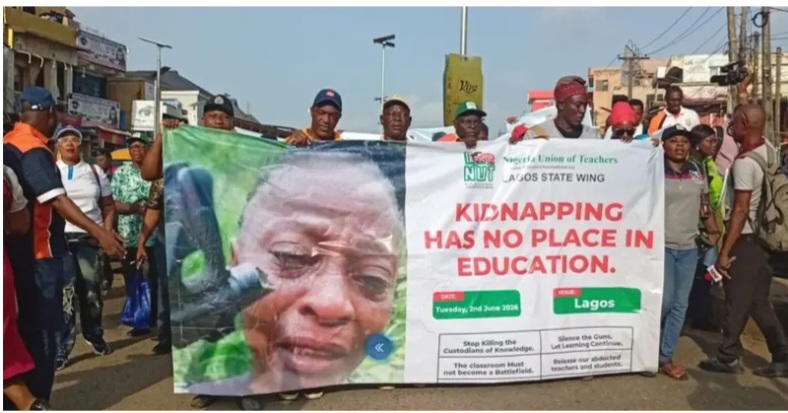
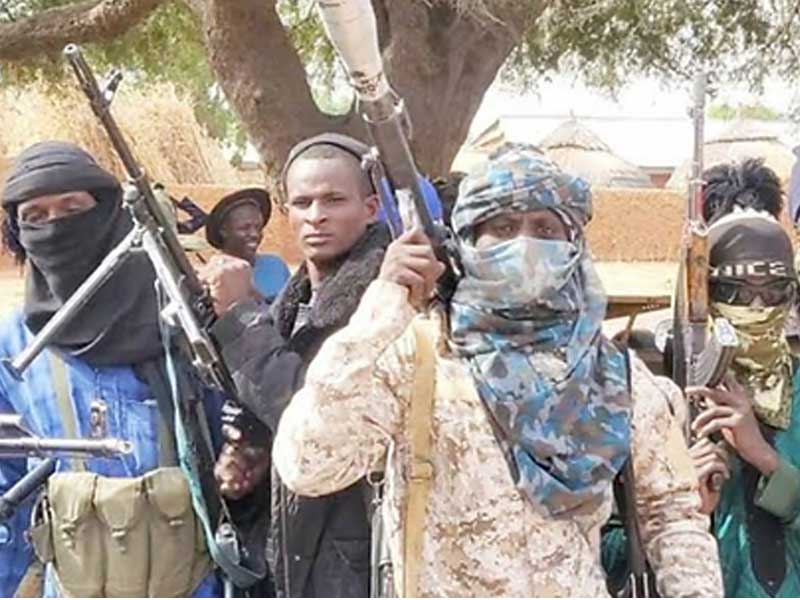
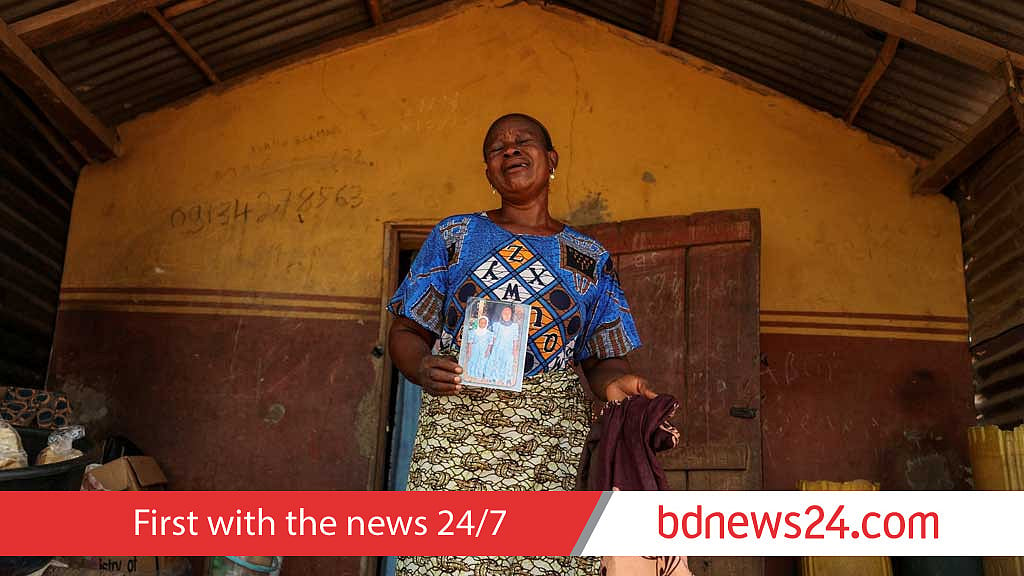
A few days earlier, she had watched reports about the abduction of teachers and students in Oyo State, including the disturbing account of a mathematics teacher reportedly killed by kidnappers. Listening to her explain why she no longer felt safe making the journey revealed a difficult reality: insecurity is increasingly influencing how ordinary Nigerians live, travel, work, and even celebrate cultural traditions.
For more than two decades, security has consistently remained one of the largest areas of government spending in Nigeria. In the 2025 federal budget, over N6.85tn was allocated to the defence sector alone. State and local governments have also introduced various initiatives, including security meetings, community policing arrangements, and intelligence sharing systems aimed at addressing growing threats.