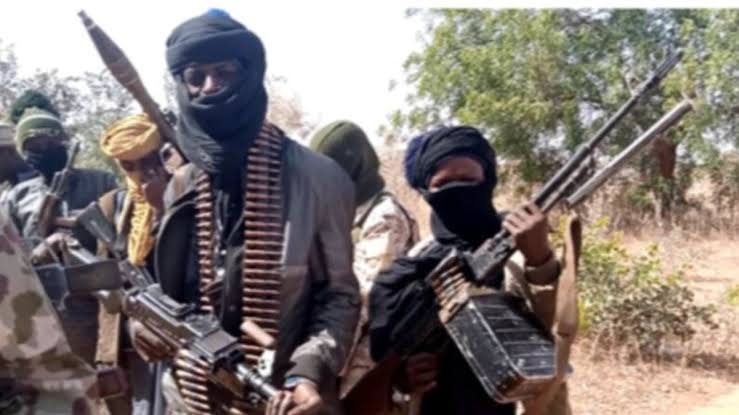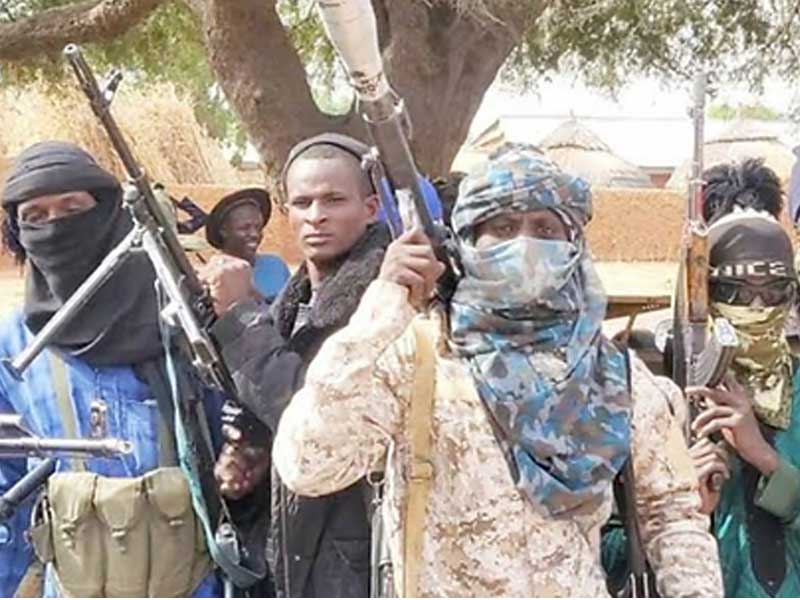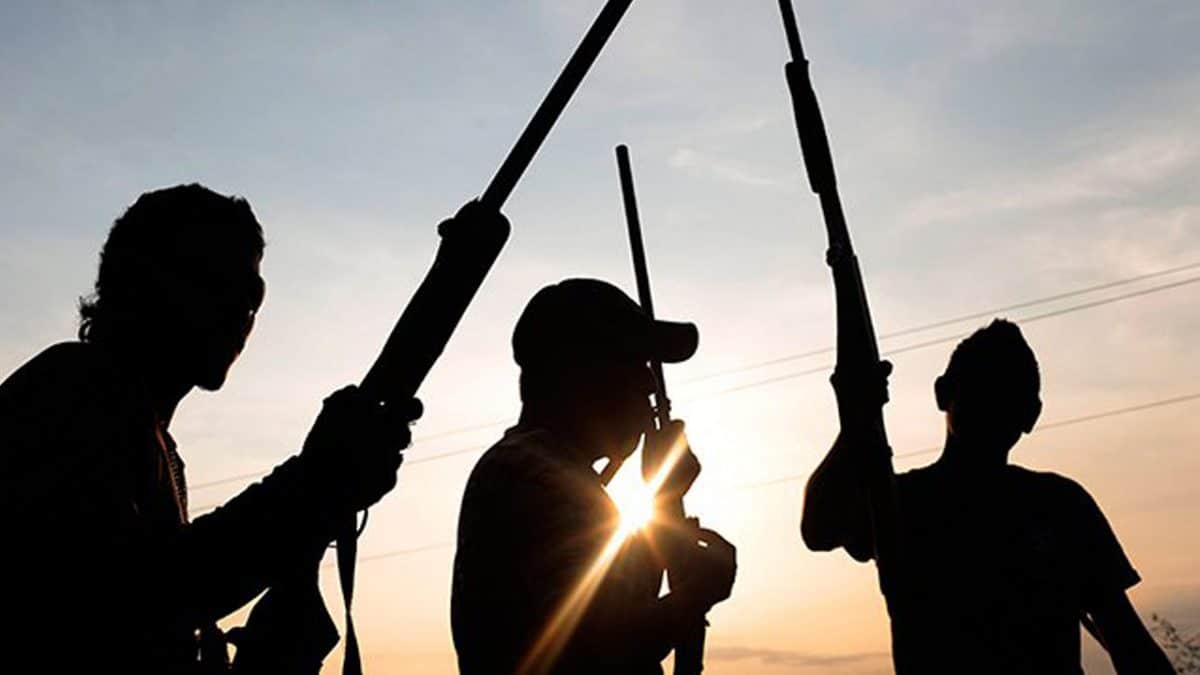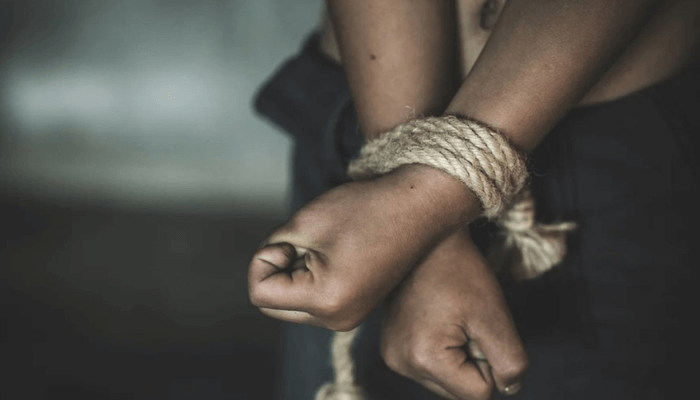
Just last week, many Nigerians found themselves focused on Oyo State, following reports of the kidnapping of schoolchildren and teachers in the Oriire area of Ogbomoso. Like many Nigerians, I was shocked. Oyo is often seen as one of the relatively peaceful states in the South-West. However, the reactions that followed the incident revealed something deeper about the country we are becoming. For me, the issue goes beyond the immediate horror of armed men invading schools and abducting children. The incident was another pointer to the fact that insecurity in Nigeria is no longer merely a security problem. It is gradually becoming an affront to the personal freedom of Nigerians.
For many Nigerians, freedom once meant democracy, elections, and constitutional rights. Today, freedom feels more practical and fragile. It is Haruna travelling without fear of abduction. It is Chima sending his children to school and expecting them back safely. It is Tade driving on Nigerian highways without rehearsing emergency phone calls in his head. It is Nigerians living without constantly calculating danger. That taste of freedom for Nigerians is quietly disappearing.
The tragedy of the Oyo school kidnapping was not simply a case of children being abducted. Nigeria has unfortunately witnessed too many such incidents. Public shock now competes with public exhaustion. What made the moment particularly different and quite revealing was how Nigerians responded to it. Nigerians immediately began calling for national prayers, private security sprang up everywhere, and discussion around safer schools began. Political parties conducted primaries, and party members voted in the process. Citizens adjusted psychologically within hours, almost instinctively. That adjustment is where the danger lies for me. How does a society become so familiar with fear that abnormality begins to feel normal?