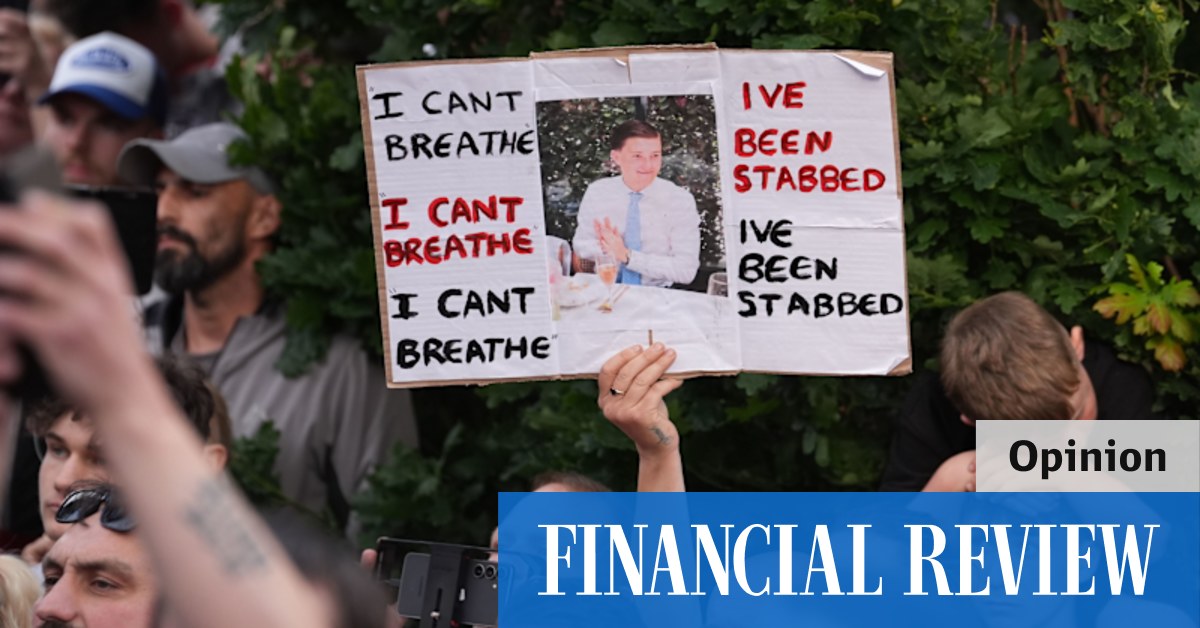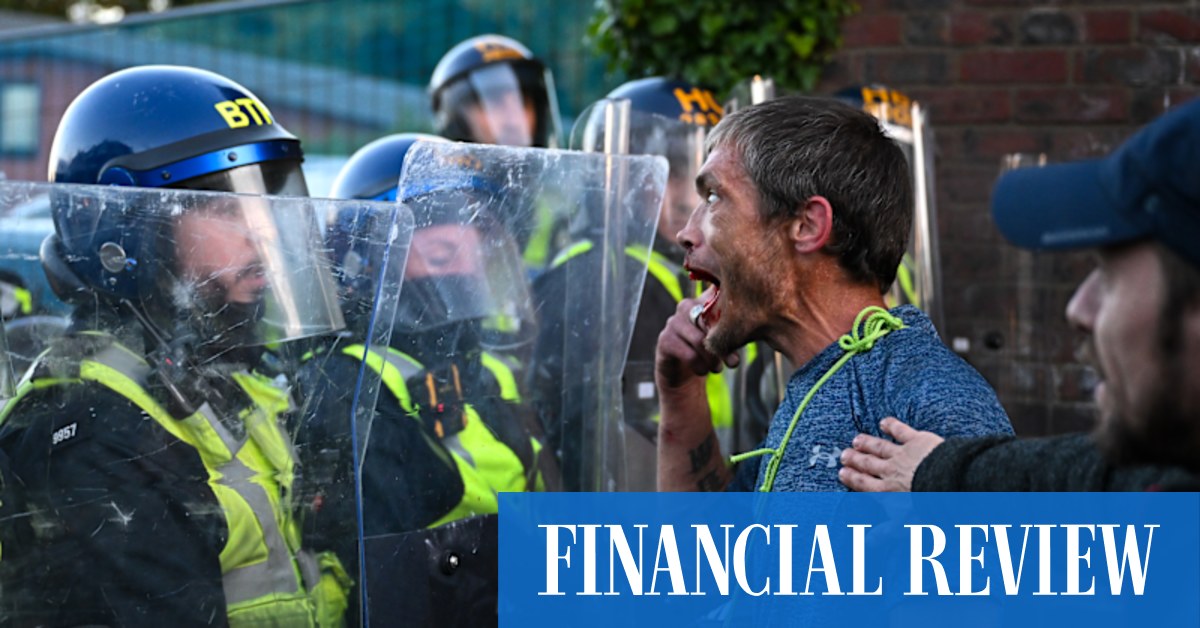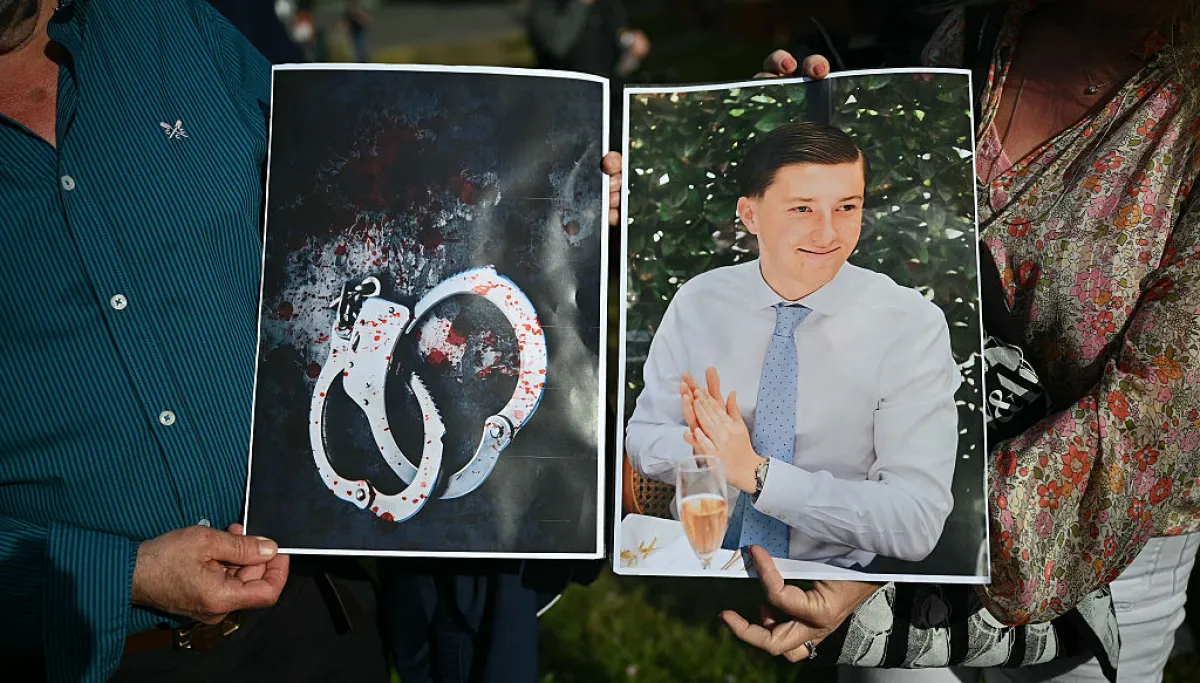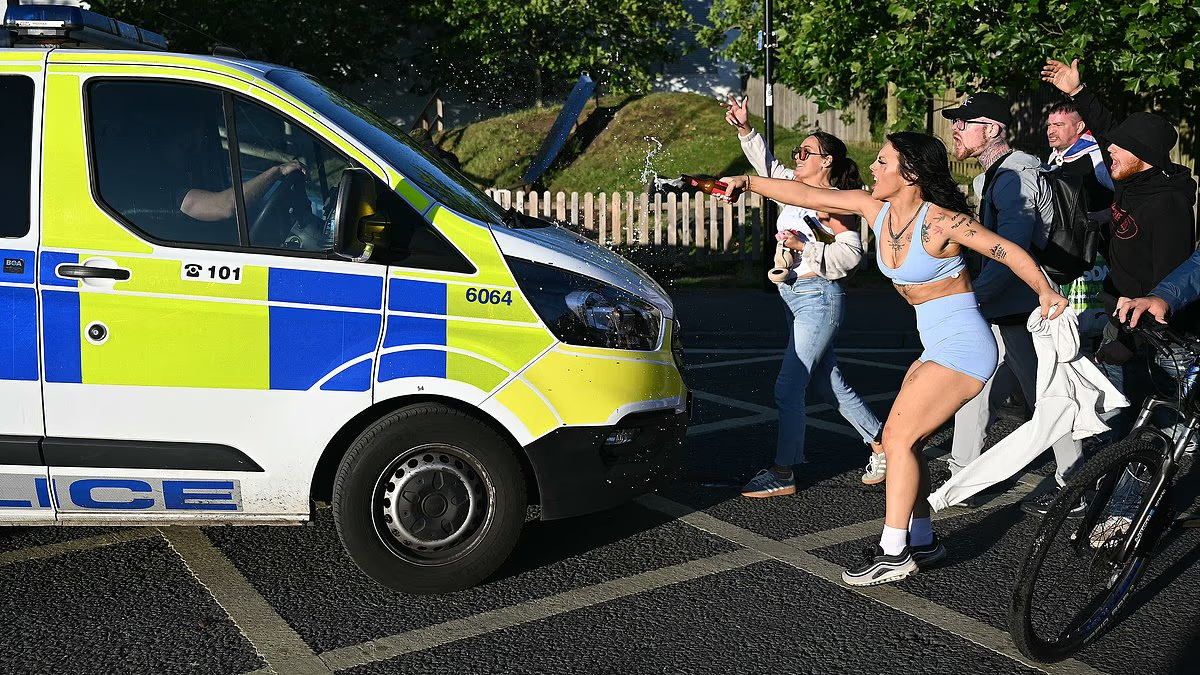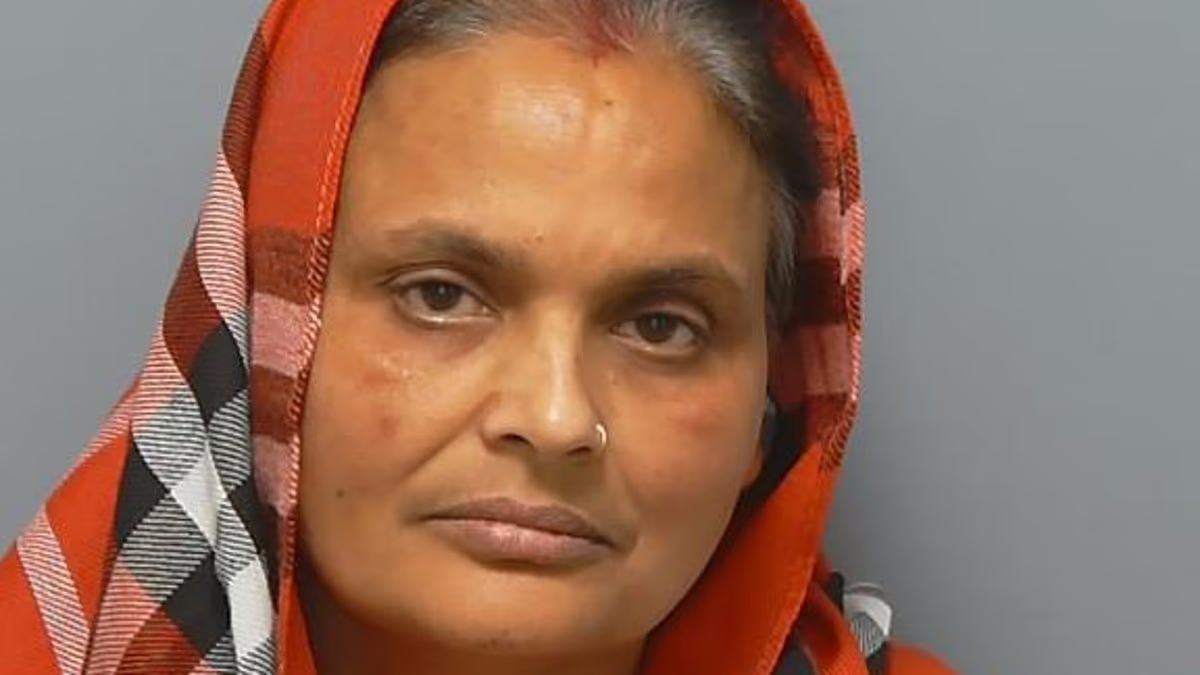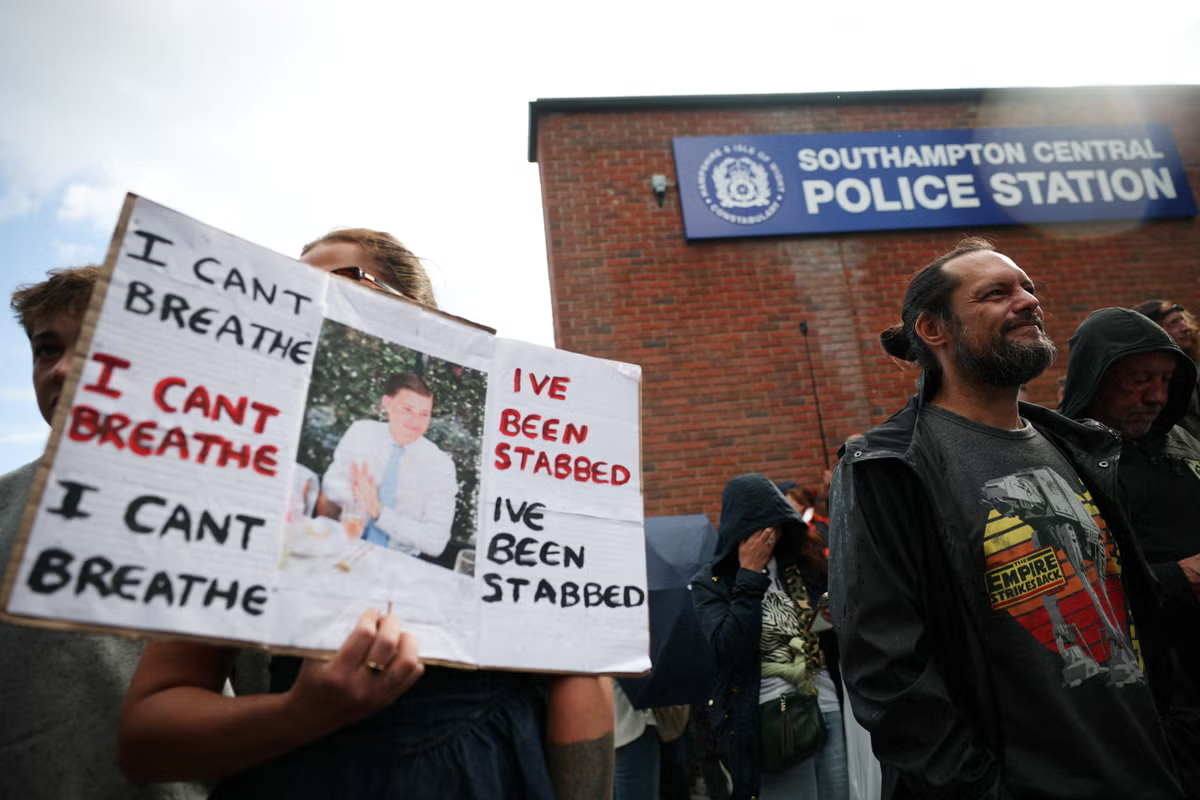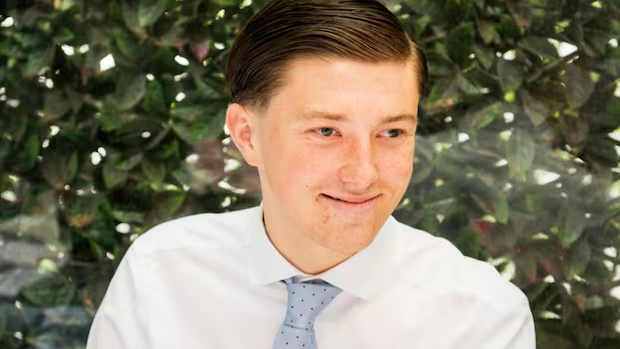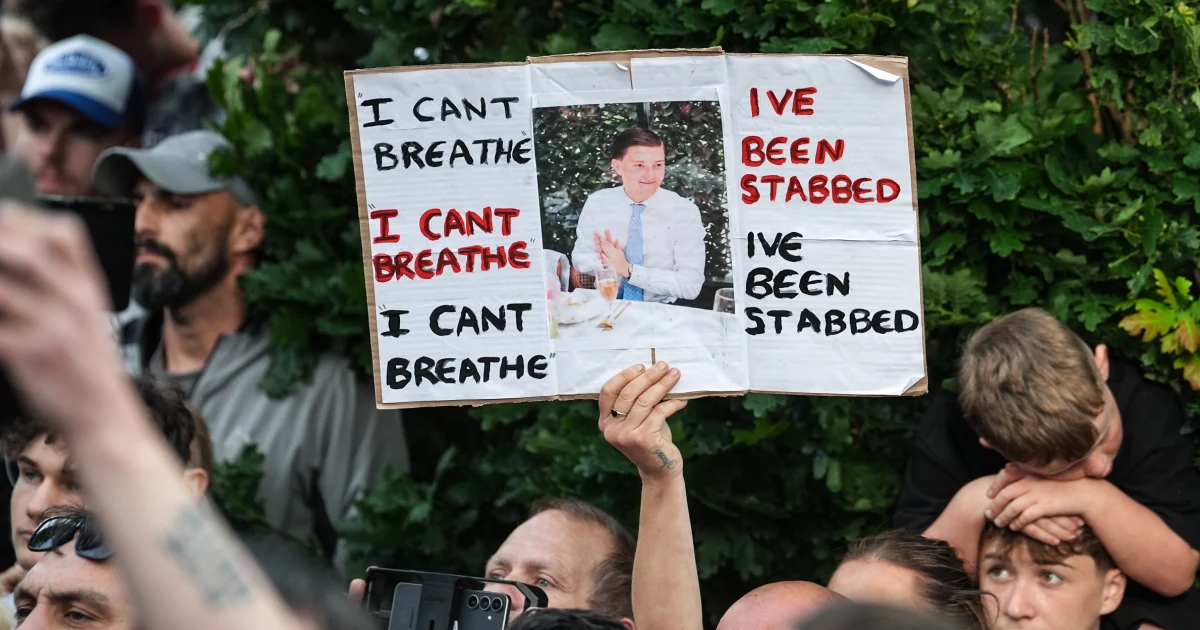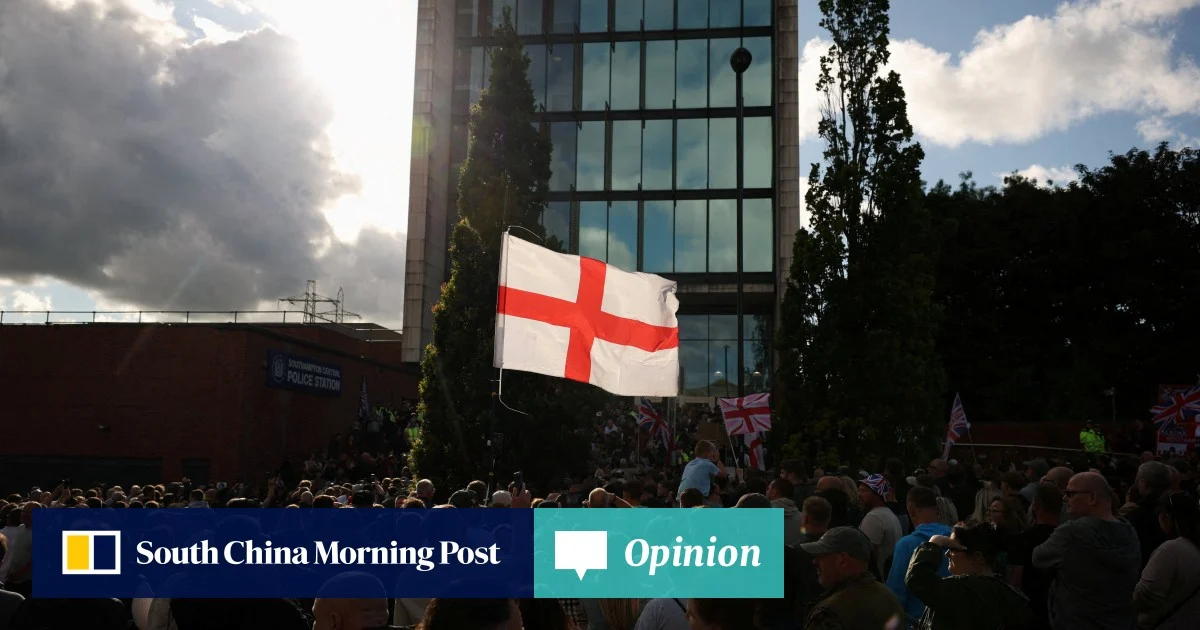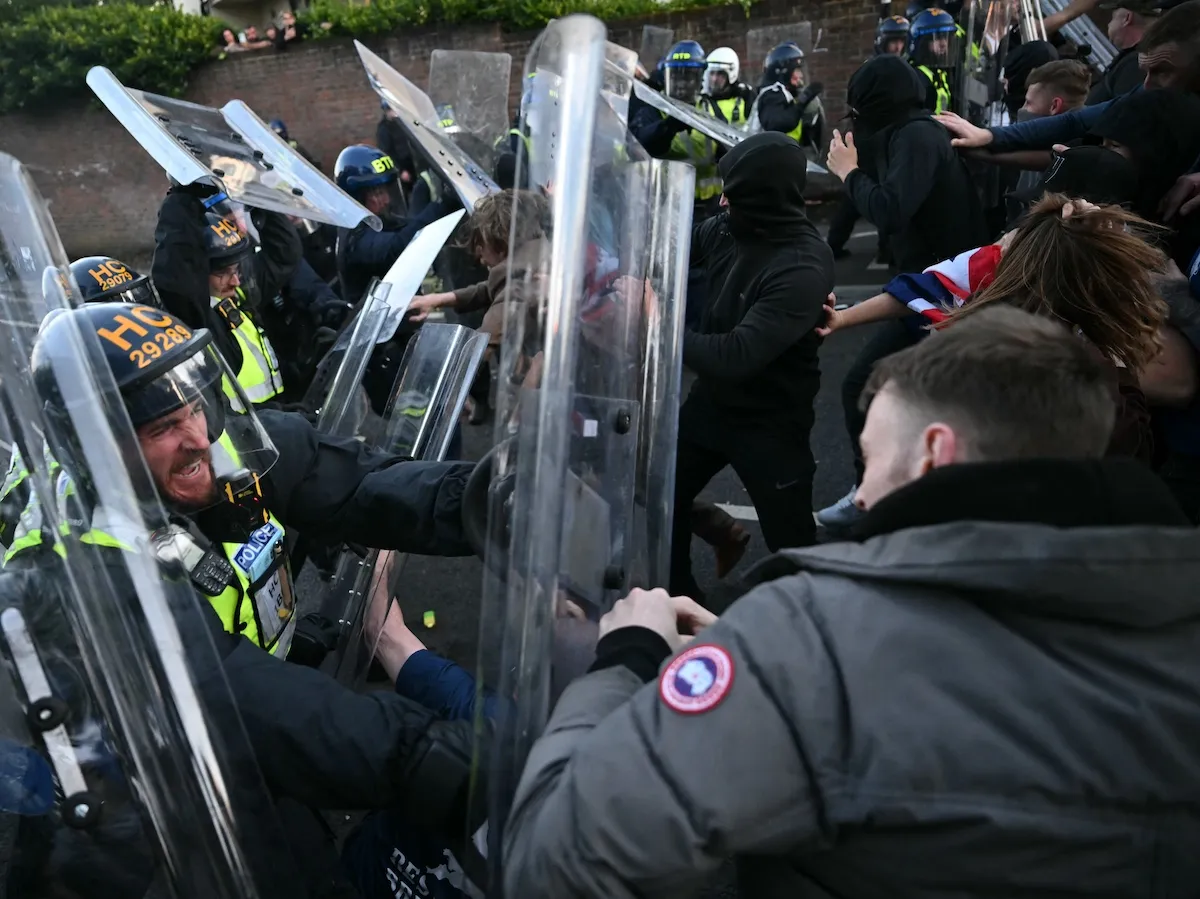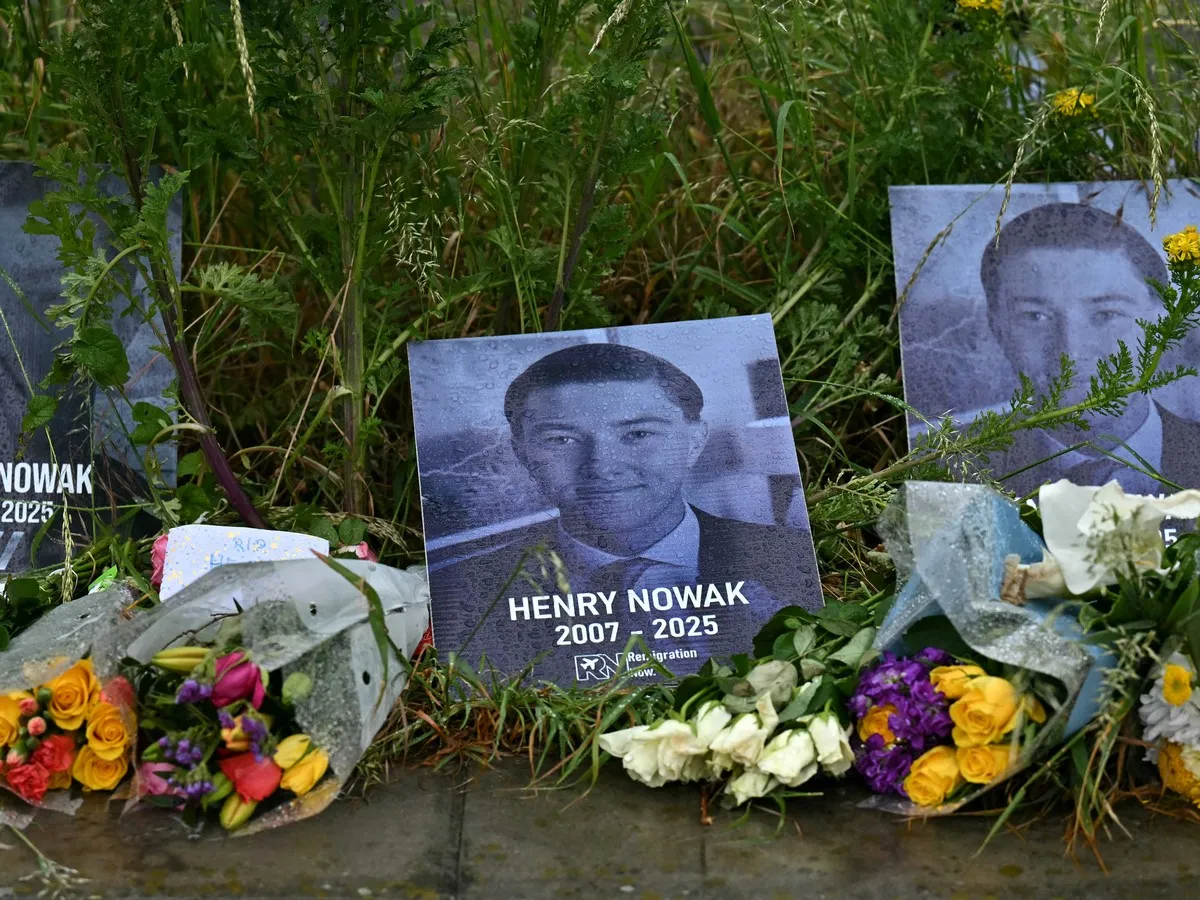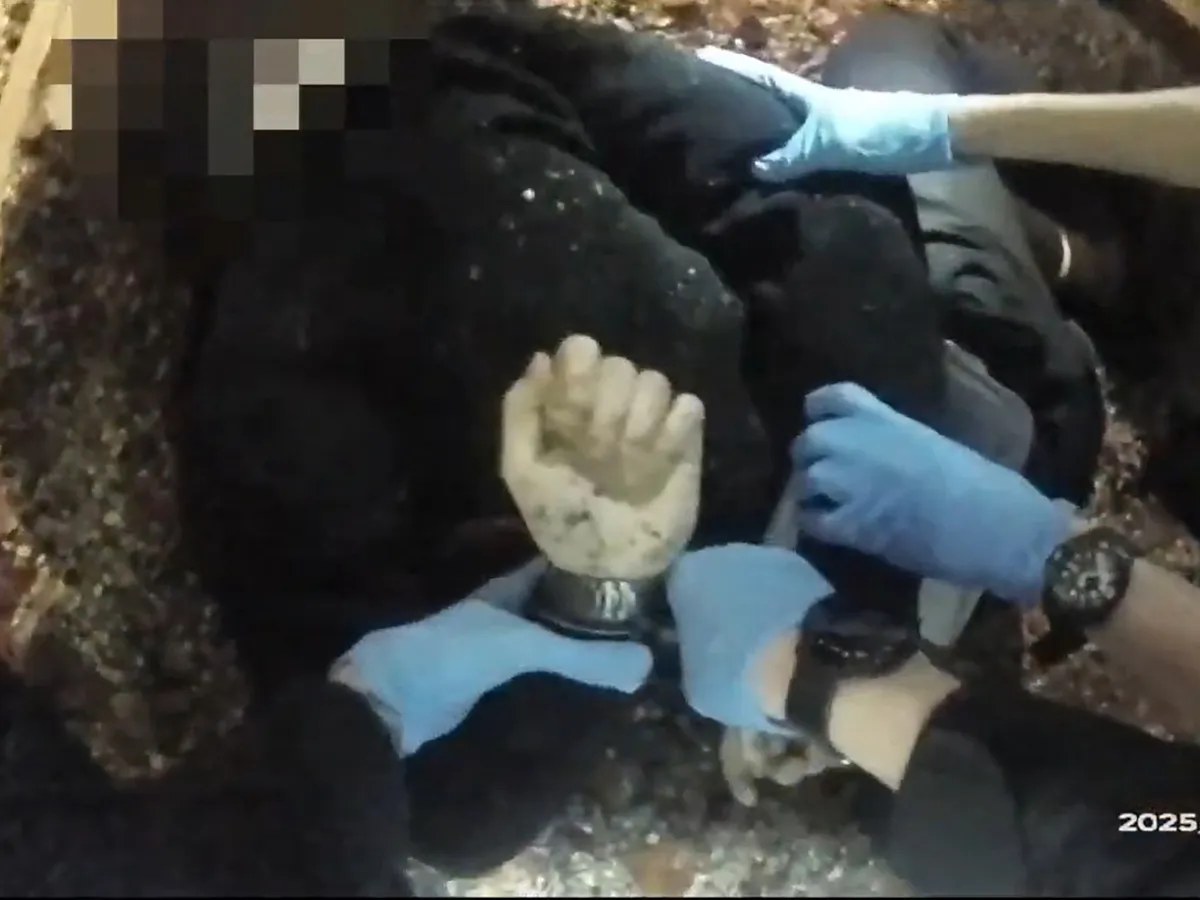
Skip to Content Subscribe Our Offers My Account Manage My Subscriptions FAQ Newsletters Canada Canadian True Crime Canadian Politics Health World Israel & Middle East Financial Post NP Comment Longreads Puzzmo Diversions Comics NP News Quiz New York Times Crossword Horoscopes Life Eating & Drinking Style Sponsored Play for Ontario Travel Travel Canada Travel USA Travel International Cruises Travel Essentials Culture Books Celebrity Movies Music Theatre Television Business Essentials Advice Lives Told Tails Told Shopping Buy Canadian Home Living Outdoor Living Tech Style & Beauty Kitchen & Dining Personal Care Entertainment & Hobbies Gift Guide Travel Guide Deals Savings National Post Store More Sports Hockey Baseball Basketball Football Soccer Golf Tennis Driving Vehicle Research Reviews News Gear Guide Obituaries Place an Obituary Place an In Memoriam Classifieds Place an Ad Celebrations Working Business Ads Archives Healthing Epaper Manage Print Subscription Profile Settings My Subscriptions Saved Articles My Offers Newsletters Customer Service FAQ Newsletters Canada World Financial Post NP Comment Longreads Puzzmo Diversions Life Shopping Epaper Manage Print Subscription HomeNP CommentMichael Murphy: How Britain's anti-racism crusade caused in the death of an innocent teenPolice are told not to be colour-blind, so they believed the lies of a Sikh man over his stabbing-victim, Henry NowakLast updated 7 minutes ago You can save this article by registering for free here. Or sign-in if you have an account.Bodycam footage shows police handcuffing 18-year-old Henry Nowak in his final moments of life. Photo by Isle of Wight Constabulary/AFP via Getty ImagesLONDON — “Please, brother, I can’t breathe.” Those were the last words Henry Nowak, an 18-year-old student at the University of Southampton, uttered before he died. Nowak was returning from a night out when he came across Vickrum Digwa, a 23-year-old Sikh man, who murdered him with a 21-centemetre-long ceremonial dagger in December 2025. Digwa stabbed Nowak five times as he attempted to flee, including a fatal blow to the chest, which punctured a lung and an artery. This violence appears to have been Digwa’s response to Nowak “cheekily,” as the judge put it, asking him if he was “a bad man.”Enjoy the latest local, national and international news.Exclusive articles by Conrad Black, Barbara Kay and others. Plus, special edition NP Platformed and First Reading newsletters and virtual events.Unlimited online access to National Post.National Post ePaper, an electronic replica of the print edition to view on any device, share and comment on.Daily puzzles including the New York Times Crossword.Support local journalism.Enjoy the latest local, national and international news.Exclusive articles by Conrad Black, Barbara Kay and others. Plus, special edition NP Platformed and First Reading newsletters and virtual events.Unlimited online access to National Post.National Post ePaper, an electronic replica of the print edition to view on any device, share and comment on.Daily puzzles including the New York Times Crossword.Support local journalism.Create an account or sign in to continue with your reading experience.Access articles from across Canada with one account.Share your thoughts and join the conversation in the comments.Enjoy additional articles per month.Get email updates from your favourite authors.Create an account or sign in to continue with your reading experience.Access articles from across Canada with one accountShare your thoughts and join the conversation in the commentsEnjoy additional articles per monthGet email updates from your favourite authorsSign In or Create an AccountorDigwa falsely claimed, as has now been established in court, that Nowak had racially abused him. He clearly felt that alleging racism, the holiest of incantations that mobilizes the British state like nothing else, would help him get away with murder. Events would show that Digwa understood Britain’s institutions all too well, and that he was almost correct. Digwa’s family arrived at the scene and, instead of calling an ambulance for the dying teenager, his brother, Gurpreet, called the police, alleging his brother had been racially attacked by “some white person.” Meanwhile, Digwa’s mother, Kiran Kaur, took the dagger from her son and hid it.This newsletter from NP Comment tackles the topics you care about. (Subscriber-exclusive edition on Fridays)By signing up you consent to receive the above newsletter from Postmedia Network Inc.We encountered an issue signing you up. Please try againWhen the police arrived, Digwa’s father, Moga Singh, was propping Nowak up and told officers he had a “mouthful of blood,” which Digwa put down to him having fallen from a fence he had attempted to jump over. Then Nowak slumped prostrate on the ground. He told the officers no fewer than nine times that he could not breathe, and four times that had been stabbed, to which one officer responded, “I don’t think you have, mate.” That officer took hold of Nowak and placed him in handcuffs. Nowak then began wheezing, choking on his own blood while still asking for help, as the Digwas continued to lie about him and the police read him his rights. Those were the last sounds Nowak heard before losing consciousness.It seems the police were more concerned with an accusation of racism — to which they responded, in the final minutes of Nowak’s life, more or less uncritically — than the life of a dying teenager. What amount of clear medical distress it would have taken to reverse this calculation is a question the police have, so far, declined to clarify. Yet how they might have arrived at such a calculation is not a mystery. So-called “anti-racism,” by which I mean the privileging of minority groups over majorities, and the prioritization of combating racism, real or imagined, over almost everything else, has in recent decades become the governing ideology of British institutions.What began as a series of compensations to accommodate Britain’s demographic transformation morphed into the creed undergirding every facet of the state. While not limited to front-line services like policing, its consequences in this area are often the most egregious. Days after Vickrum Digwa was found guilty of murder on May 28, a senior police officer told Telegraph journalist Allison Pearson: “What you have to understand is most chief constables would rather mess up a major murder inquiry than be accused of being racist.”It should come as no surprise that the attitude of senior officers might trickle down to those making life-and-death decisions on the streets. This is, in fact, merely the system working as intended. Britain’s Police Race Action Plan stipulates that “racial equity” does not mean “treating everyone ‘the same’ or being ‘colour-blind,’ ” and recommends taking a “racialized’ approach to policing. How could officers responding to Nowak’s death, and the Digwas’ lies, not have been affected by these guidelines? That question is, for Hampshire police, a Catch-22: either they conducted themselves in a colour-blind manner, in violation of their guidelines, or they did not, to Nowak’s detriment.These vexing questions remain unanswered. Into the vacuum, Reform Leader Nigel Farage declared that “white lives matter too,” and called for a response to Nowak’s death of “pure, cold rage.” On Tuesday evening, protesters in Southampton clashed with police, with some demanding they kneel for Nowak, in the manner that many of their colleagues did for George Floyd, who was murdered by police in the United States in 2020.The same British establishment that promiscuously embraced the hysteria of Black Lives Matter is now calling for calm and condemning Farage for his supposedly inflammatory language. The contrast of that language to that deployed by the state during comparable outrages is likely intentional. After the Manchester Arena bombing, the public was urged not to “look back in anger.” This response became something of a leitmotif for tragedies resulting from political decisions, like unwanted mass migration, that the establishment attempted to place beyond politics, and therefore beyond criticism. Farage’s pointed language is alien to British politics; it marks a new juncture, in which the grievances of the majority have, belatedly, entered the mainstream.Michael Murphy is a journalist based in London. He writes for the Daily Telegraph and presented the documentary “Ireland is full! Anti-immigration backlash in Ireland.” Join the Conversation This website uses cookies to personalize your content (including ads), and allows us to analyze our traffic. Read more about cookies here. By continuing to use our site, you agree to our Terms of Use and Privacy Policy.
Michael Murphy: How Britain's anti-racism crusade caused in the death of an innocent teen
Police are told not to be colour-blind, so they believed the lies of a Sikh man over his stabbing-victim, Henry Nowak
1,354 words~6 min read