The manga industry has a big problem and it’s not lack of demand, but a lack of authorized supply.
“There is a global demand for manga worldwide, and there’s far more demands than any content that’s officially translated right now, and that’s a very big issue,” Shoko Ugaki, the CEO of manga translation company Orange Inc., told Variety in an interview via translator last month.
Based on Orange’s recent survey, there are approximately 30,000 manga titles that have been translated into English versus the number of pirated English-translation mangas, which come out to “about five times more than officially translated manga,” per Ugaki.
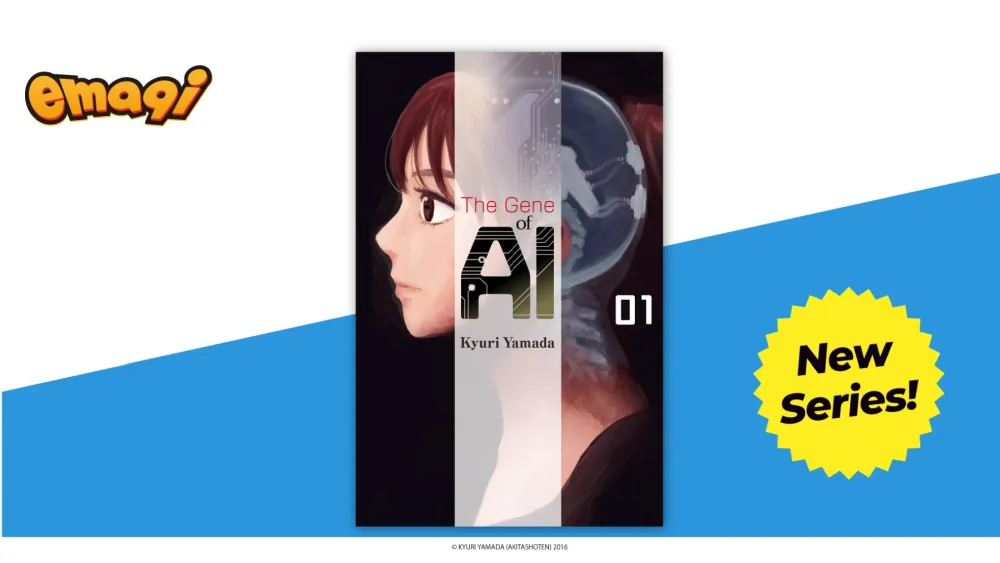
Orange’s mission is to release licensed manga, with its most notable project to date being “The Gene of AI,” which was originally released in Japan in 2016 to critical acclaimed and received an anime adaptation that launched globally on Crunchyroll in 2023. But despite that success, the original “The Gene of AI” manga never had an official English release until this May, when Orange partnered with publisher Akita Shoten to release the edition through Orange’s emaqi platform.
“Most of the manga the fans read, they’re reading the pirated version, so that is the bottleneck,” Ugaki said. “Officially translated manga is about several thousand titles, which is 20,000 books or comics right now. I own 30,000 comic books privately. So officially translated manga is less than what I own privately. A lot of pirated versions — five to 10 times more than officially translated versions — are translated by volunteers. So the manga fans, if you like manga more, then you read more pirated versions. The issue is that there is no returns for the creators of these [pirated] mangas, that’s the bottleneck.”