Welcome to Foreign Policy’s Africa Brief.
The highlights this week: Ethiopians go to the polls amid growing political rifts in Tigray and beyond, an Ebola quarantine facility in Kenya sparks controversy, and insurgency worsens in the Lake Chad Basin.
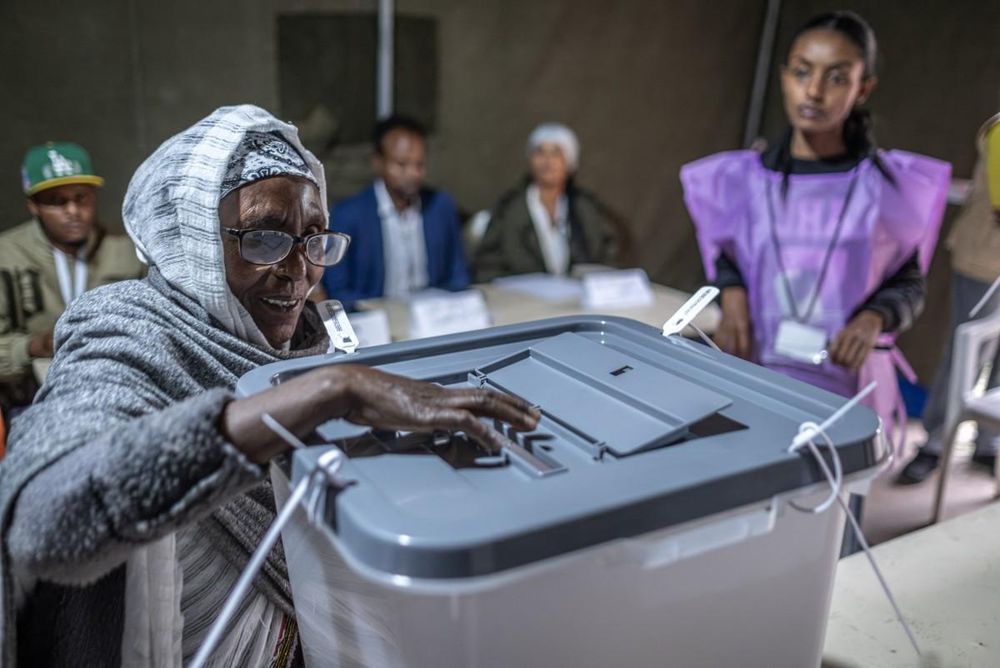
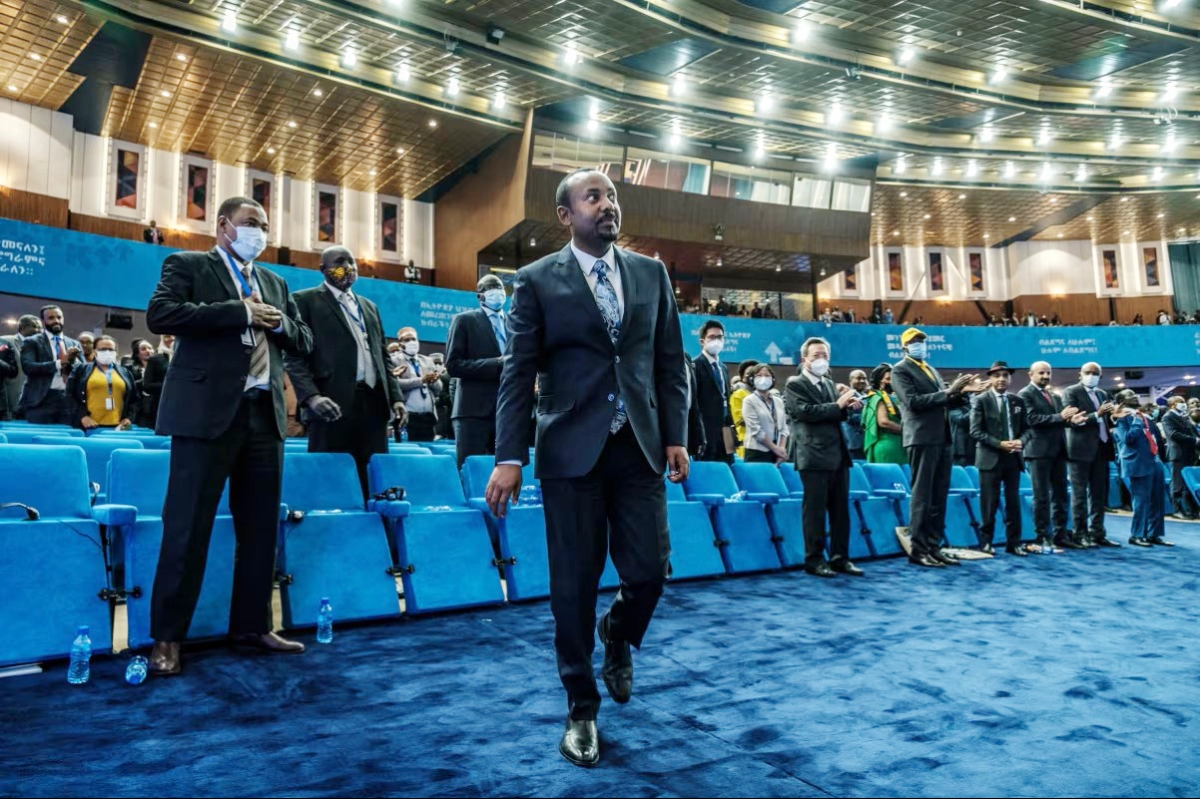
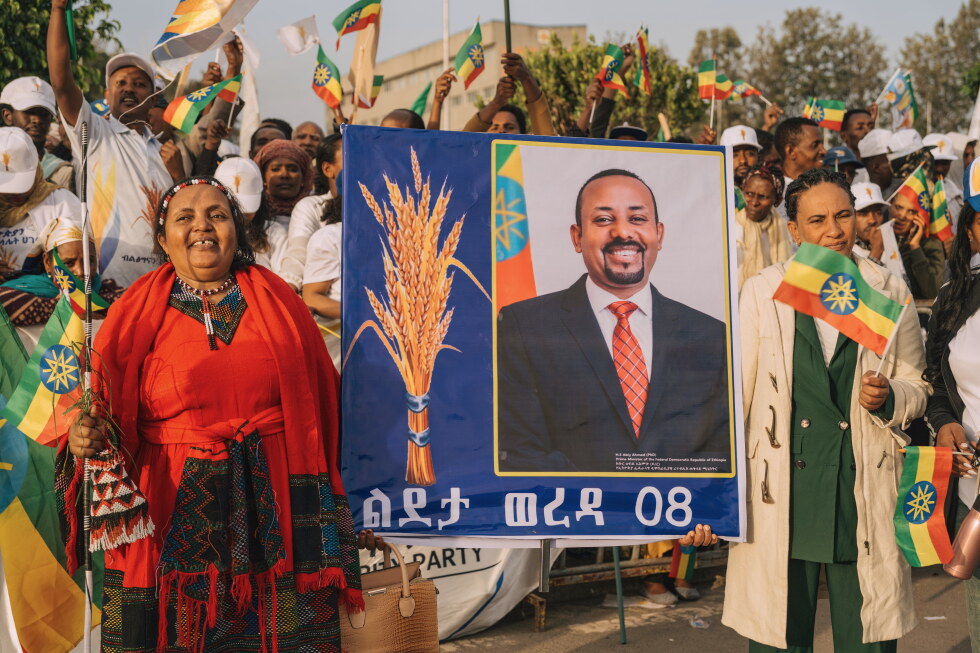
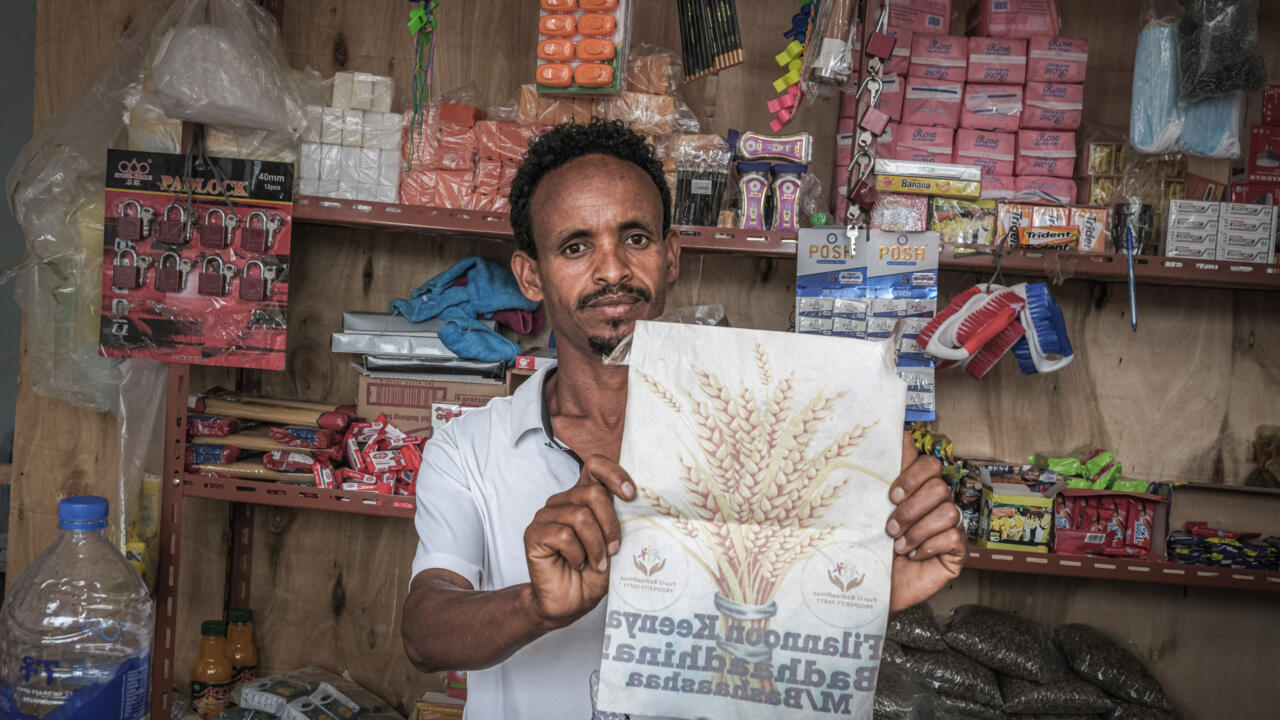
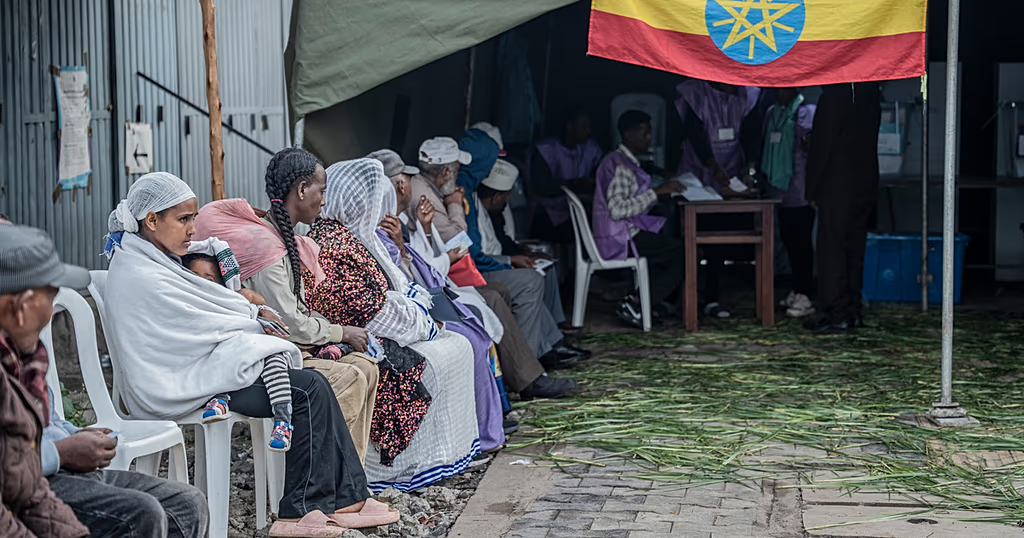
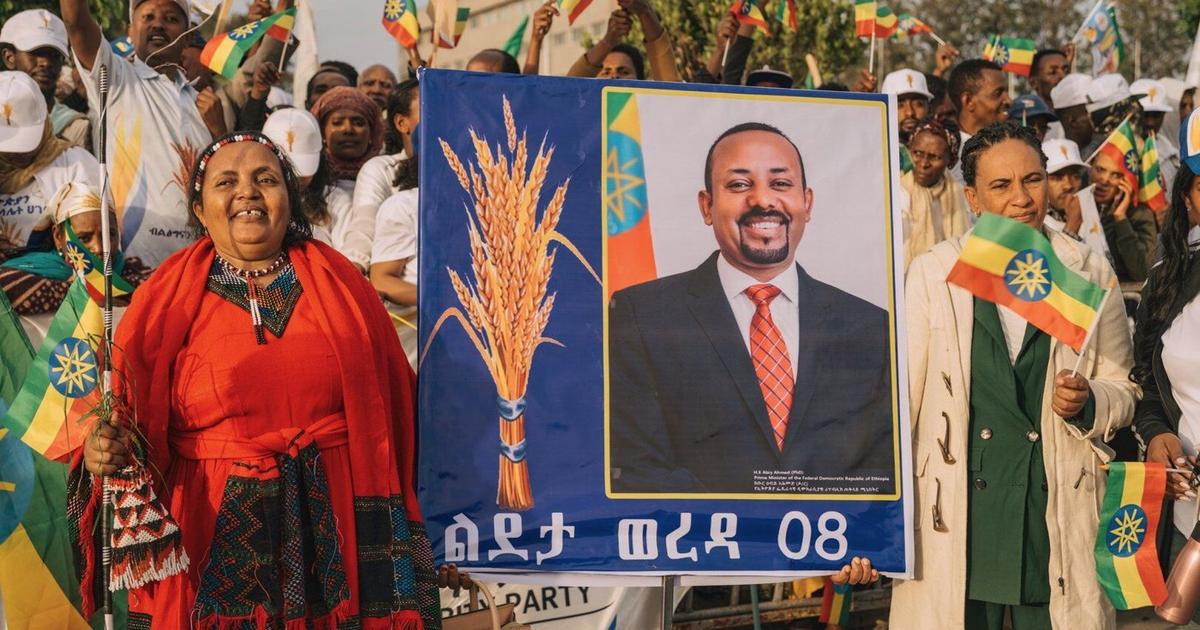
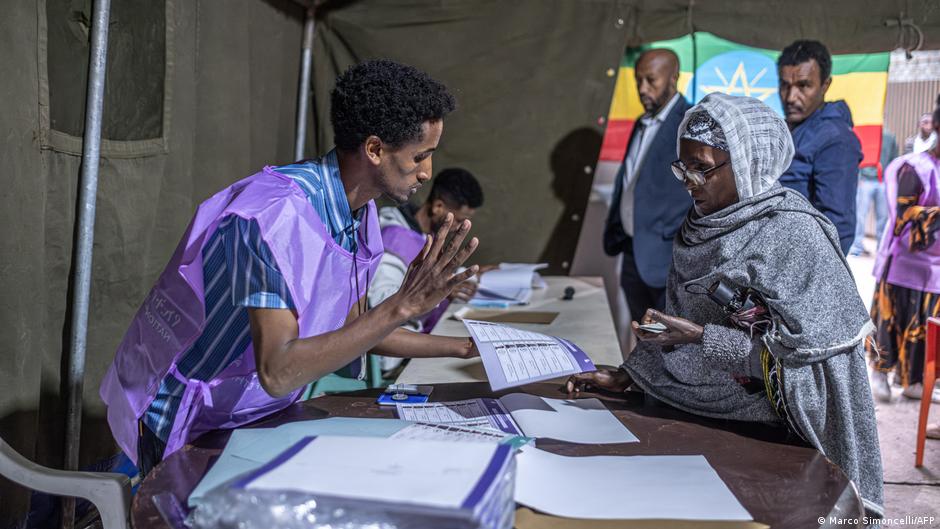
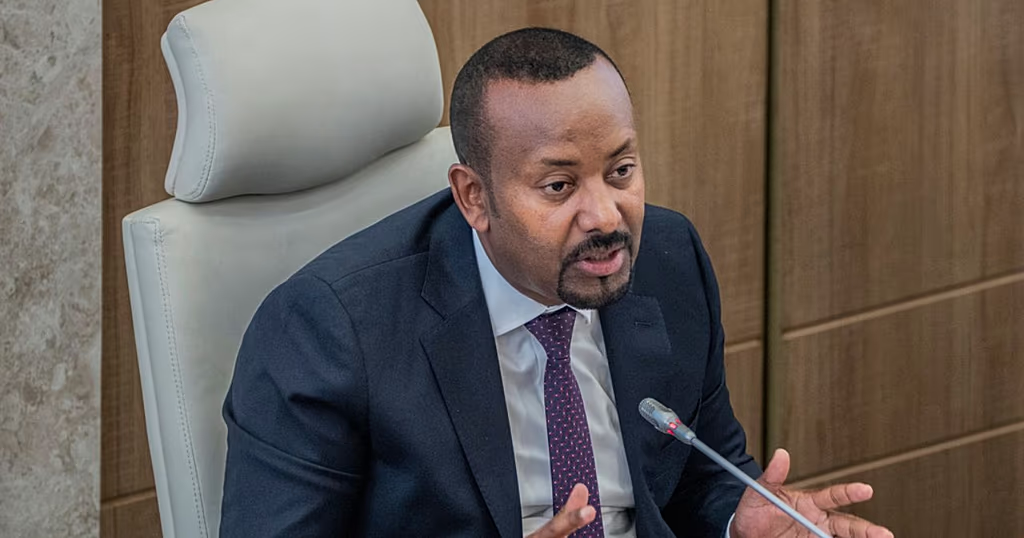
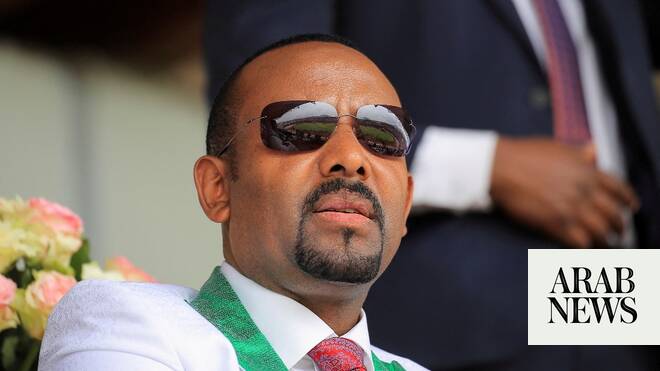
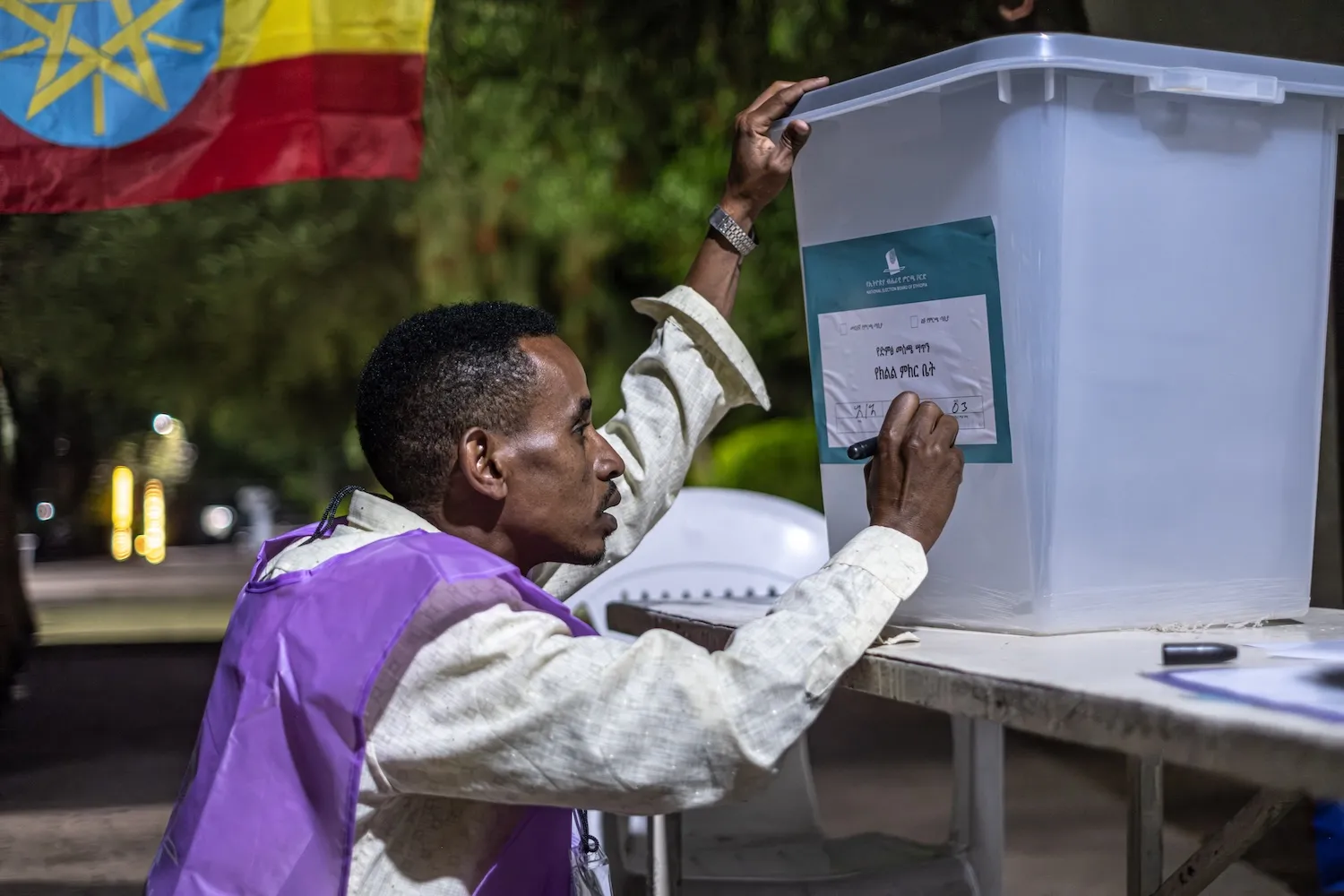
Ethiopia’s election on Monday is almost certain to hand a new five-year term to Prime Minister Abiy Ahmed. But that victory may exacerbate the growing political rift in the country, which threatens to destabilize Africa’s second-most populous nation.
Ethiopia’s electoral body suspended or canceled voting in dozens of constituencies due to what it described as “unfavourable conditions” and violent disruptions. Voting did not take place at all in the northern region of Tigray, which was at the center of a devastating civil war from 2020 to 2022. The region now faces mass internal displacement and renewed fighting in recent months between the federal government and the Tigray People’s Liberation Front (TPLF).
Meanwhile, violence from the Fano militia in Amhara and fighting among federal, regional, and separatist forces in Abiy’s home region of Oromia derailed voting in parts of those areas. An armed attack in a farming community in Oromia began over the weekend and continued on election day, killing dozens of civilians, the Addis Standard reported.