Audio By Vocalize
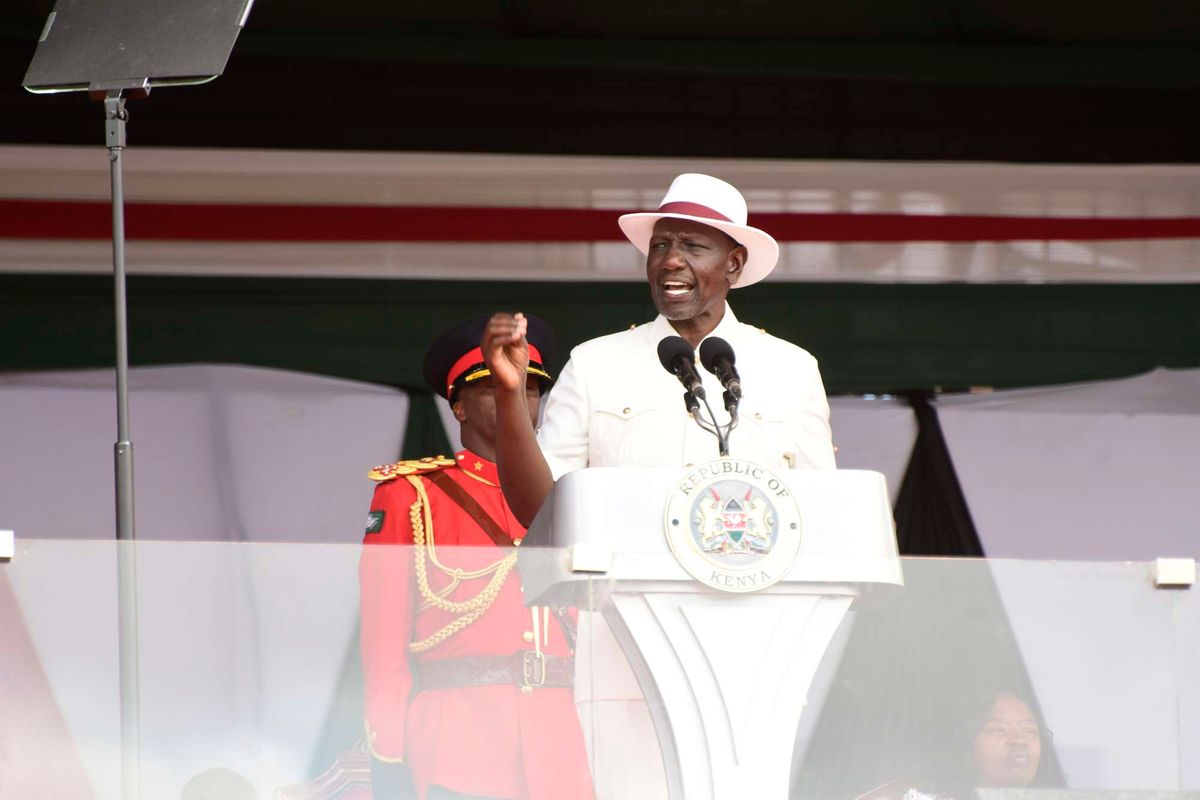
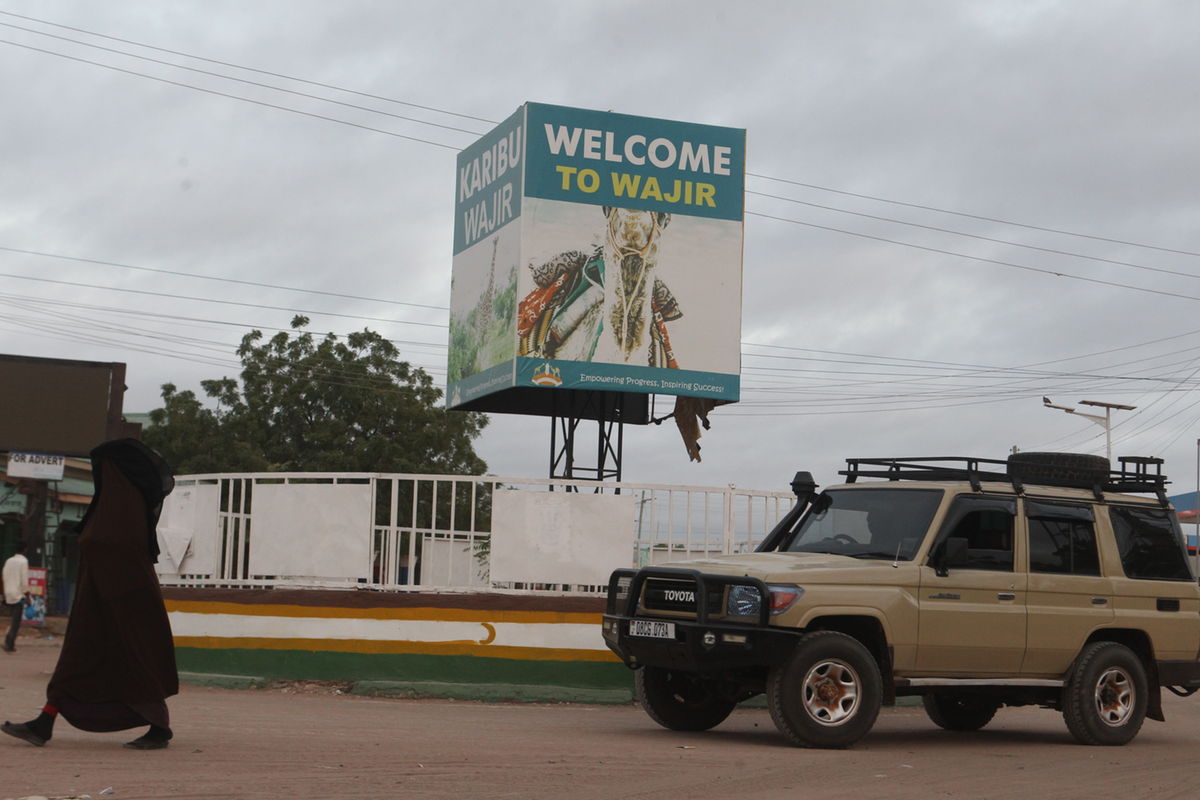
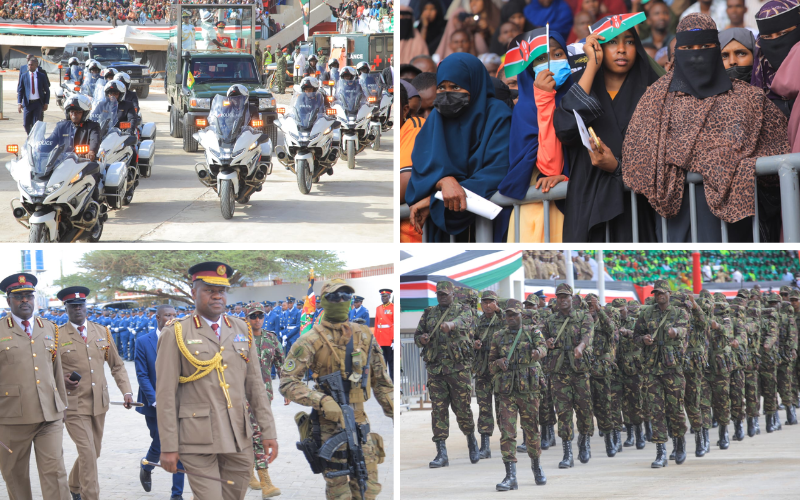
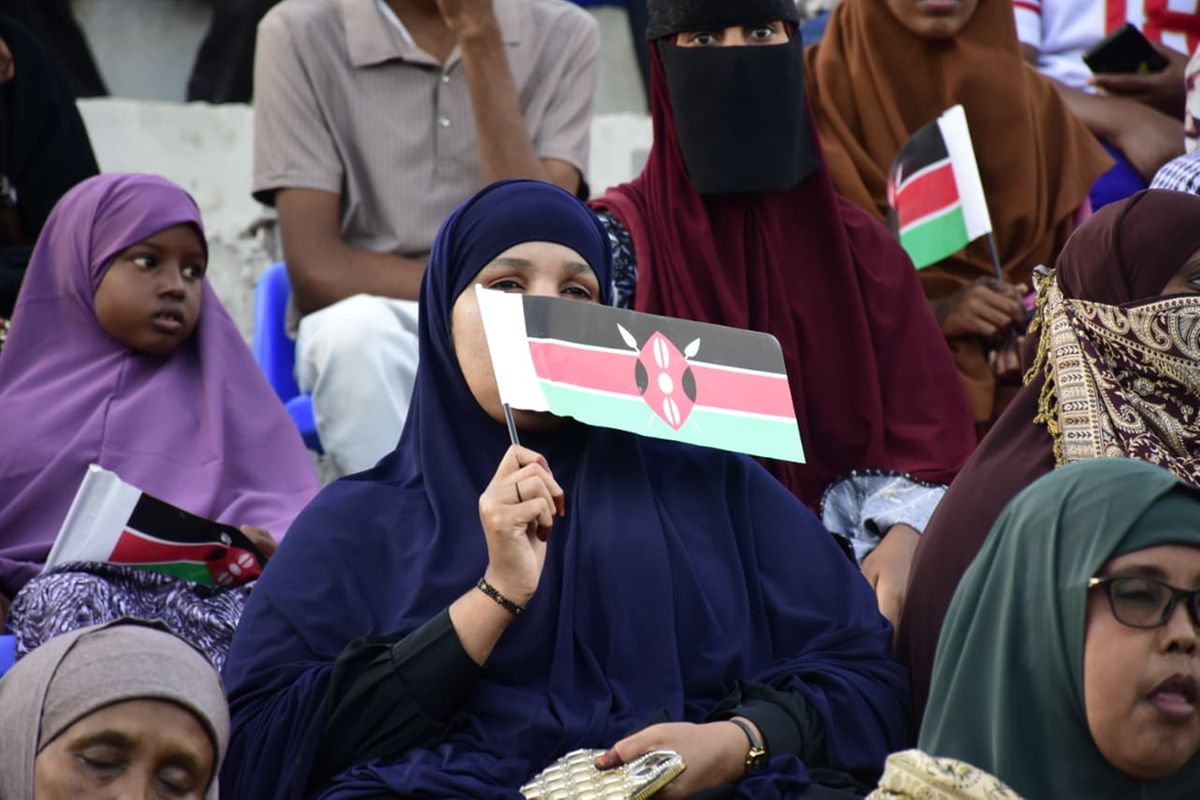
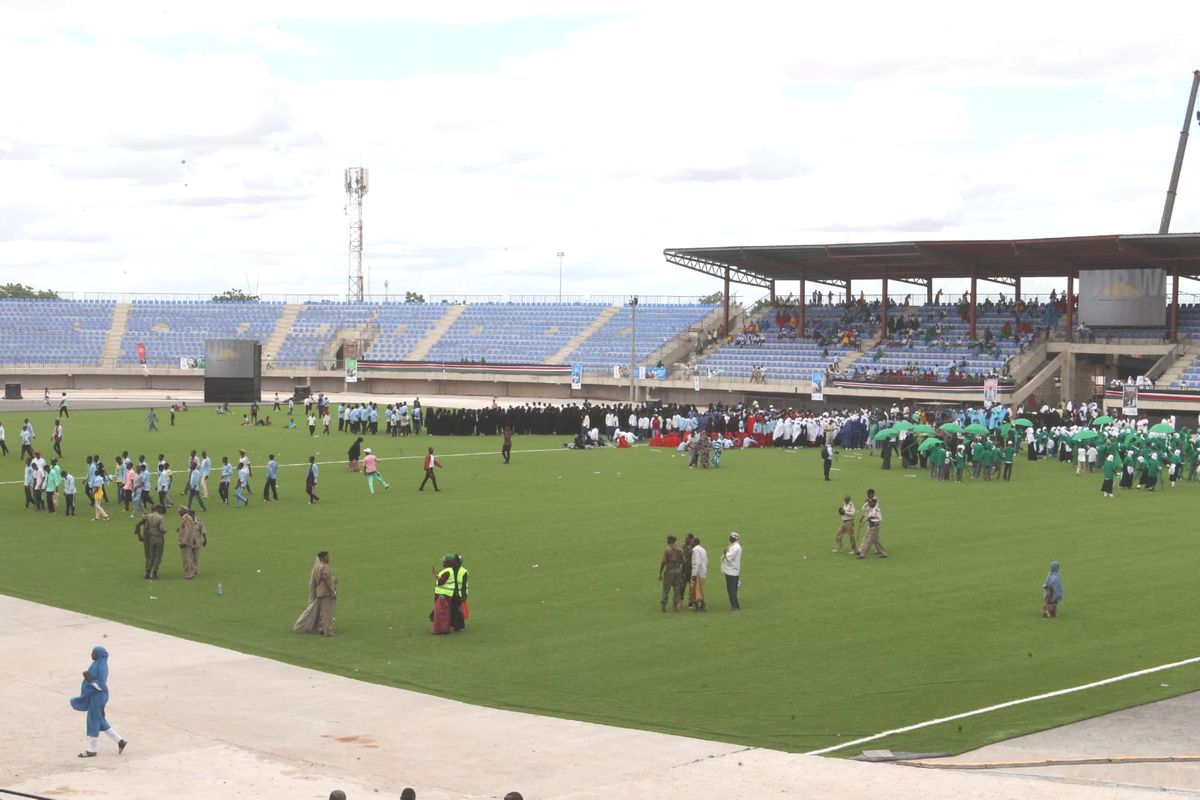
Madaraka Day celebrations at Wajir Stadium in Wajir County on June 1, 2026. [PCS]
The Government's hosting of the 2026 Madaraka Day celebrations in Wajir County carried significance far beyond ceremony. It signalled a national acknowledgement that Northern Kenya — long neglected politically and economically — deserves inclusion within Kenya’s development agenda. For decades, counties across the north remained geographically distant, economically underserved, and politically marginalised.
The roots of these inequalities can be traced to post-independence policies, particularly Sessional Paper No. 10 of 1965 on African Socialism and its Application to Planning in Kenya. Although intended to promote economic growth, the policy prioritised investment in “high potential areas” with stronger agricultural productivity and colonial infrastructure. Roads, industries, schools, hospitals, and irrigation projects were concentrated in already advantaged regions such as Nairobi, Central Kenya, and parts of Rift Valley and Western Kenya. Historical reports by the Kenya National Bureau of Statistics (KNBS) and the World Bank have consistently documented these disparities.
Meanwhile, Northern Kenya — largely classified as arid and semi-arid land — was treated more as a security frontier than a development priority. Following the Northern Frontier District secession debate and the Shifta conflict in the 1960s, the region increasingly became associated with insecurity and suspicion. The effects of this political profiling were profound. Emergency regulations, restrictions on movement, collective punishment practices, and repeated security crackdowns became defining features of state presence in the region for many years. Historical tragedies such as the Wagalla massacre and the infamous Garis Gubay left lasting trauma and reinforced perceptions that Northern Kenya was treated differently from the rest of the republic. Historical inquiries, parliamentary discussions, and reports by the Truth, Justice and Reconciliation Commission (TJRC) and the Kenya National Commission on Human Rights (KNCHR) have documented the long-term effects of security operations on communities in Northern Kenya.