If the shock from the closure of the Strait of Hormuz has revealed economic vulnerabilities, it has also illuminated stark differences in how countries absorb energy-price turbulence. Those that have invested in more resilient clean energy sources are faring better and offering lessons for everyone else.
Your browser does not support the audio element.
Please log in to listen to this commentary
0:00 / 0:00
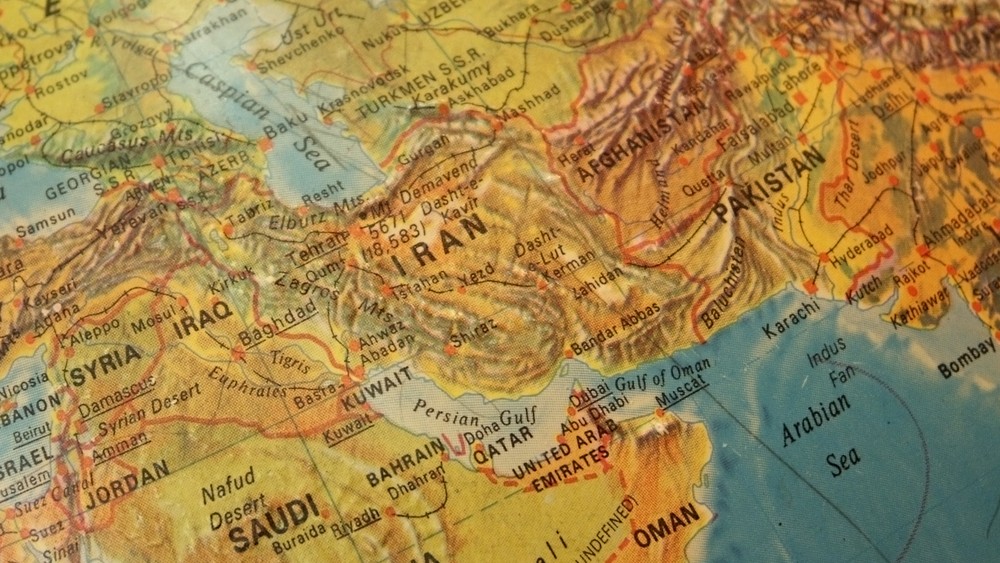
NEW YORK—The closure of the Strait of Hormuz has triggered what the International Monetary Fund calls a “global yet asymmetric” rupture, disrupting the flow of roughly one-quarter of oil, one-fifth of liquefied natural gas, and one-third of fertilizer supplies. Energy and fertilizer prices have risen, supply chains have rerouted, and financial conditions have tightened unevenly around the world.