The global economy entered 2026 on firmer footing than most forecasters had predicted, buoyed by a surge in AI-related investment, easing trade tensions and supportive financial conditions. Then the Middle East conflict changed everything.
In its June 2026 Economic Outlook, the OECD sharply downgraded its global growth projections and warned that a prolonged energy crisis stemming from the conflict could leave “scarring effects on potential output” across the world economy — with some countries tipped into or close to recession. The report, titled Under Pressure, represents the organization’s starkest assessment of the global economy since the pandemic.
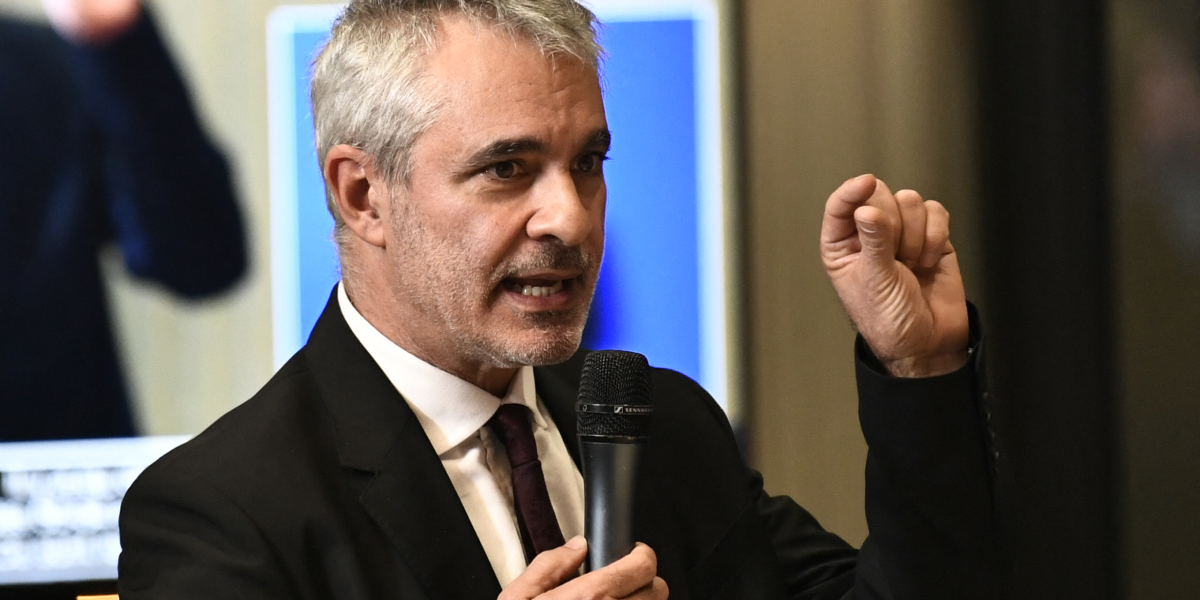
“The conflict in the Middle East has become the dominant force shaping the global economic outlook,” wrote Chief Economist Stefano Scarpetta in the report’s editorial.
Two paths forward
The OECD framed its projections around two scenarios, both shaped by how long disruptions to the Strait of Hormuz and Gulf energy infrastructure persist.