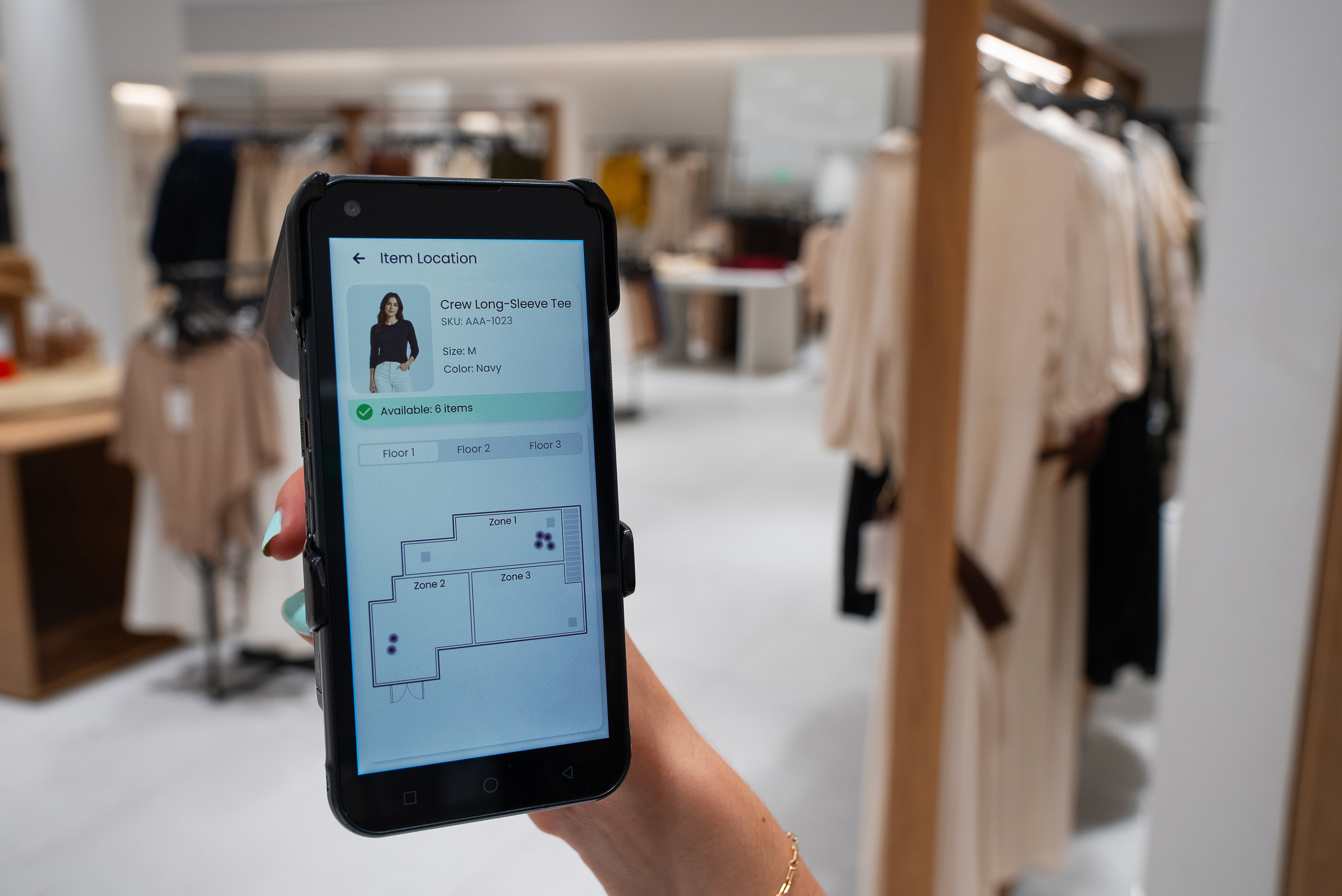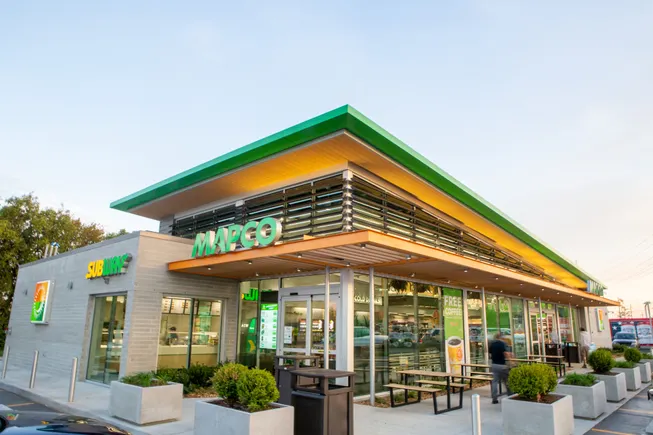
In neighbourhood retail markets, local Kirana stores, and hyper-local fulfilment centres, inventory management isn’t an administrative task—it’s a high-stakes daily tightrope walk. If a shop owner over-orders fresh dairy, poultry, or vegetables, the items rot on the shelves, expiration windows slam shut, and cold-storage electricity bills quickly wipe out their slim profit margins.
Conversely, if they under-order to play it safe, modern quick-commerce delivery grids and retail distributors issue immediate algorithmic visibility penalties, dropping their store placement and instantly handing premium shelf space to competitors. Traditional inventory tracking relies entirely on static, backward-looking spreadsheets that fail the moment a real-world disruption strikes. To solve this, I engineered Supply Chain Sense: an open-source, AI-driven inventory optimization suite that bridges the gap between unstructured real-world context and deterministic operations mathematics.
By coupling classical Continuous Review Inventory Models with real-time risk contextualization powered by Google Gemini 2.5 Flash, the system translates unpredictable disruption narratives into live, mathematically precise supply chain parameters. Here is a look at the foundational constraints that inspired this project, the technical architecture, the cross-category mathematics, and how the application works end-to-end.