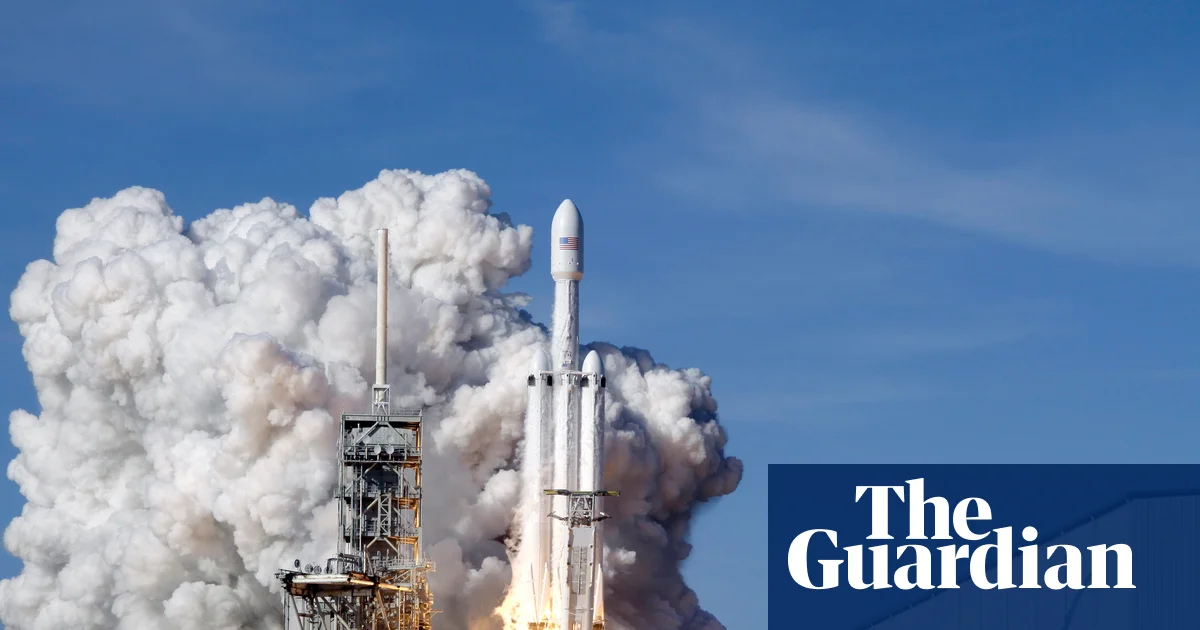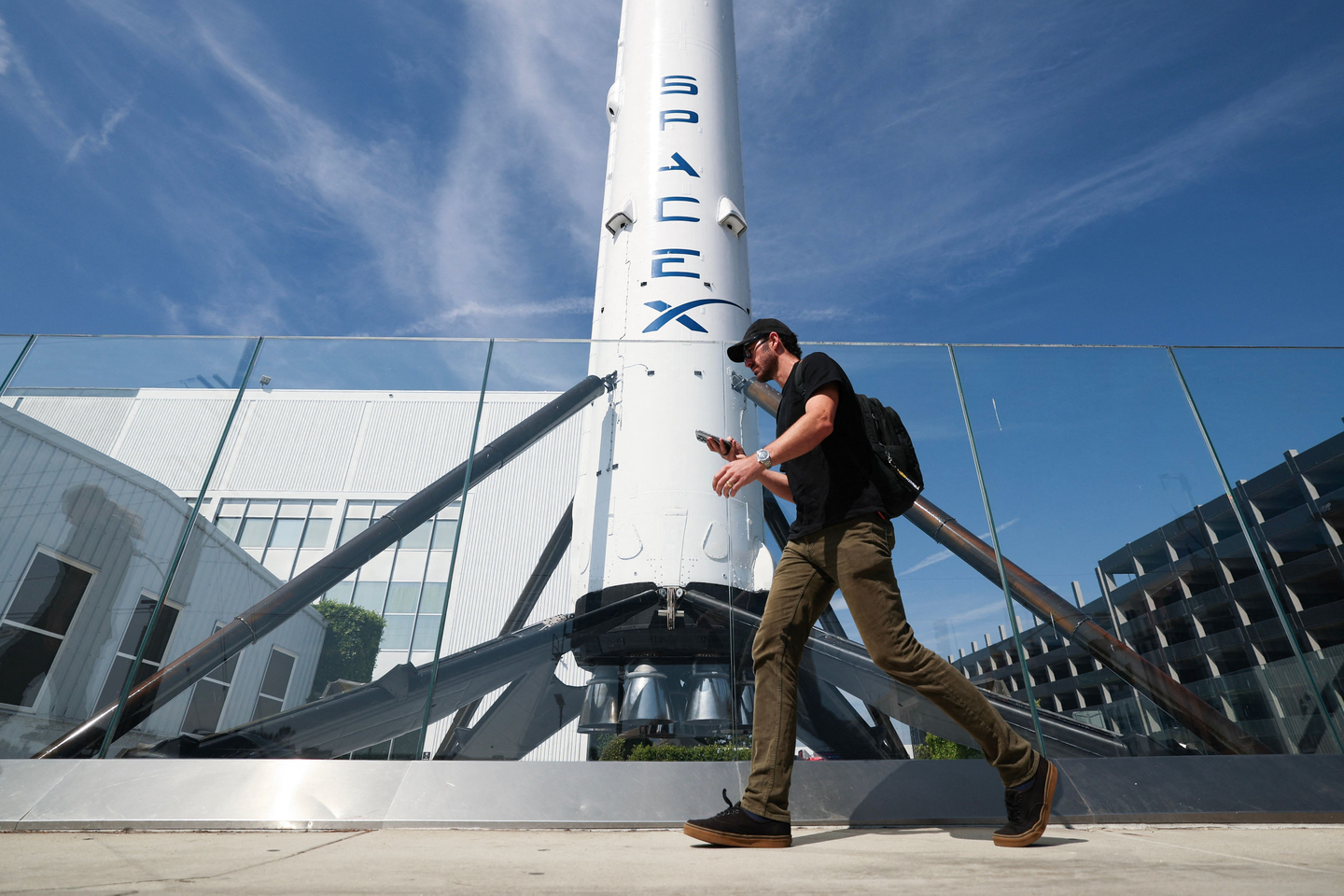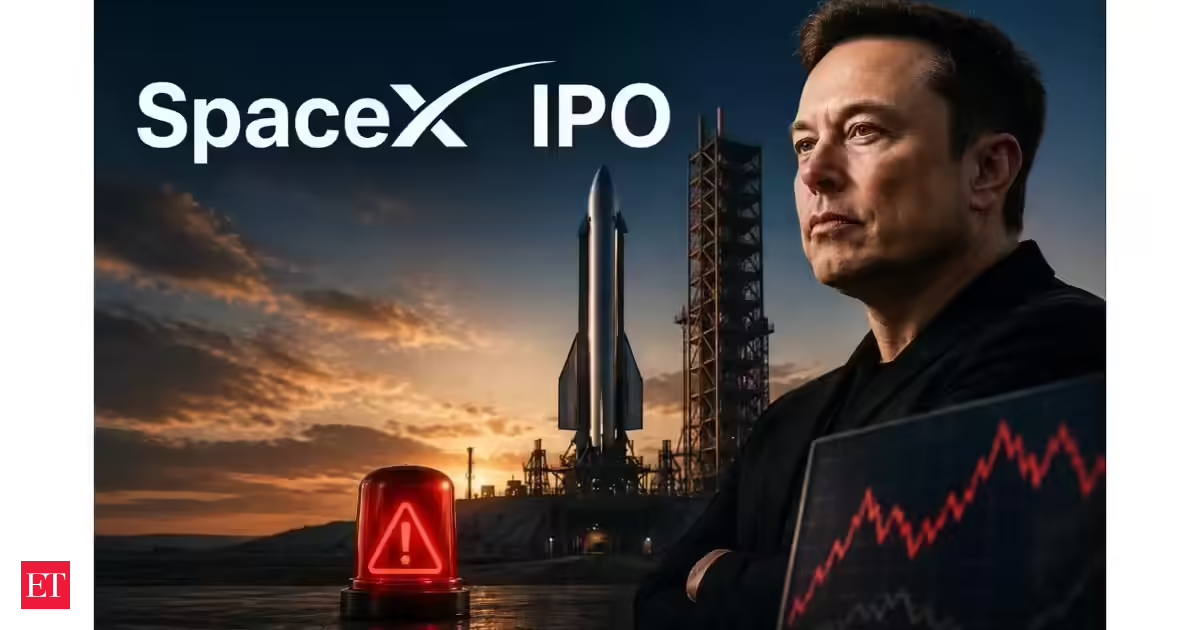
The SpaceX IPO is no longer a distant rumor — it is happening, and the countdown is days away. Elon Musk's rocket and satellite company is set to price its shares the night of June 11, with trading on the Nasdaq expected to begin June 12 under the ticker SPCX. This is not just another tech listing. At a targeted valuation of $1.75 trillion and a planned raise of $75 billion, the SpaceX IPO would shatter every record in stock market history. Saudi Aramco raised $29.4 billion in 2019 and held the crown for years. SpaceX is aiming to more than double that in a single day. What makes this moment unusual is the pricing approach. SpaceX chose a fixed share price of $135, skipping the typical price range most IPO candidates use to gauge investor appetite. That decision speaks volumes. When a company with Falcon 9 rockets, a Starlink constellation serving millions globally, and a Starship program redefining deep-space travel sets a fixed price, it signals supreme confidence in demand. This is a company that knows exactly what it is worth — and it wants the market to meet it there. The SpaceX IPO also arrives at a pivotal shift in the company's identity. What was once purely a launch and satellite business is now actively repositioning as an artificial intelligence infrastructure company, offering both terrestrial and space-based computing capacity. That pivot dramatically changes the investment thesis. Before this AI turn, SpaceX had raised roughly $9 billion in venture capital across nearly 24 years. Now, its capital needs are headed skyward in ways that make the $75 billion raise feel like the opening move, not the final one.SpaceX IPO Price, Valuation, and What the $1.75 Trillion Number Really Means A $1.75 trillion valuation sounds staggering until you place it in context — and then it starts to feel almost logical. At $135 per share with 555.6 million shares on offer, the SpaceX IPO would put the company's market cap in the same neighborhood as Meta Platforms and Berkshire Hathaway. Companies that spent decades in public markets reaching those levels. SpaceX would arrive there on day one. That tells you something about how investors are pricing not just the existing business, but everything ahead of it. The Starlink business is the engine underneath this valuation. Fidelity's Contrafund, one of the largest actively managed mutual funds in the world, holds roughly $3.5 billion in SpaceX and has specifically cited Starlink's role connecting underserved rural communities as a reason to stay invested. That is not a growth story — that is a utility story, and Wall Street rewards utility stories with a reliability premium. SpaceX is effectively selling investors two companies at once: a launch monopoly with unmatched reusability economics, and a satellite broadband provider that has already achieved global scale. Still, not every voice is buying the hype uncritically. Jay Ritter, IPO expert and professor at the University of Florida, offered a sharp distinction: a great company is not automatically a great stock. The SpaceX IPO may deliver a great business to public markets. Whether it delivers great returns to investors buying at $135 — that is a different question entirely, and one that depends on how much future growth is already priced in.How Can Retail Investors Actually Buy SpaceX IPO Stock on June 12? The SpaceX IPO reportedly includes a 30% retail allocation, unusually generous for a listing of this magnitude. Major trading platforms are expected to receive allocations they can distribute to retail customers after pricing. For ordinary investors with brokerage accounts at Fidelity, Schwab, or similar platforms, the June 12 open could be accessible — though demand will be fierce and allocations limited depending on how platforms choose to distribute shares. For those who wanted in before the IPO date, private secondary markets offered another path, though not a simple one. Platforms like EquityZen, Forge Global, Rainmaker Securities, and Hiive facilitated transactions in which existing SpaceX shareholders sold stakes to new buyers. As of early June, SpaceX shares on Hiive were trading near $128 per share, largely converging toward the $135 IPO price. These transactions carry 90 to 180 day lockup periods post-IPO and are restricted to accredited investors — those with income above $200,000 annually or a net worth exceeding $1 million excluding a primary residence. A simpler route to SpaceX exposure without direct share ownership has always existed through public funds. The Baron Partners Fund holds roughly 33% of its portfolio in SpaceX — the heaviest weighting of any publicly accessible fund. The ARK Venture Fund holds SpaceX as its largest position at around 17%. The ERShares Private-Public Crossover ETF holds approximately $205 million in SpaceX exposure through a special-purpose vehicle. These vehicles offer liquidity that private secondary transactions simply cannot match.SpaceX IPO Timing: Is the Window Closing — or Just Opening? The SpaceX IPO arrives as the broader tech listing market stirs back to life after years of suppression. A rebound in U.S. equity capital market activity began in 2025 following prolonged volatility and geopolitical tension. SpaceX, Anthropic, and OpenAI are the headliners of what could become a historic wave of mega-listings. Anthropic is reportedly targeting a potential IPO as early as October 2026 at valuations nearing $900 billion. Together, these two companies alone could push combined post-IPO market caps well past $4 trillion. Musk himself held off on a SpaceX IPO for years, preferring to keep the company private and insulated from quarterly earnings pressure. What changed his mind, according to those familiar with his thinking, was the sheer scale of Starlink's success and the company's rapidly rising secondary market valuation. SpaceX has been cash-flow positive for years and runs regular stock buybacks twice annually to give employees liquidity. The IPO, in that light, is less a fundraising necessity and more a strategic statement — a declaration that SpaceX is ready to be measured against the world's largest companies.
SpaceX IPO date countdown begins: When is the SpaceX IPO and how can you buy SpaceX stock before the biggest IPO in market history?
The SpaceX IPO is shaping up to be one of the most anticipated financial events in modern market history. Reports suggest that Elon Musks aerospace giant could price its shares on June 11, with trading potentially beginning on June 12. If the proposed valuation holds, the SpaceX IPO could become the largest public offering ever seen, placing the company among the most valuable businesses on Earth.
985 words~4 min read