In cybersecurity, few words trigger more dread than ‘wormable’—a vulnerability that could be weaponized into a self-spreading worm. Now researchers at the University of Toronto have demonstrated something worse: an AI-driven worm that can’t be stopped by patching a single flaw, because it uses reasoning to detect and exploit different vulnerabilities as it spreads.
In a new paper released yesterday, ‘AI Agents Enable Adaptive Computer Worms,’ the researchers explain that traditional worms exploit a single vulnerability—patch it, and you stop the spread. But AI agents go further: the worm they built generates tailored attack strategies, with no human intervention, by hijacking compromised machines and running open-weight LLMs to simultaneously reason and extend its reach.
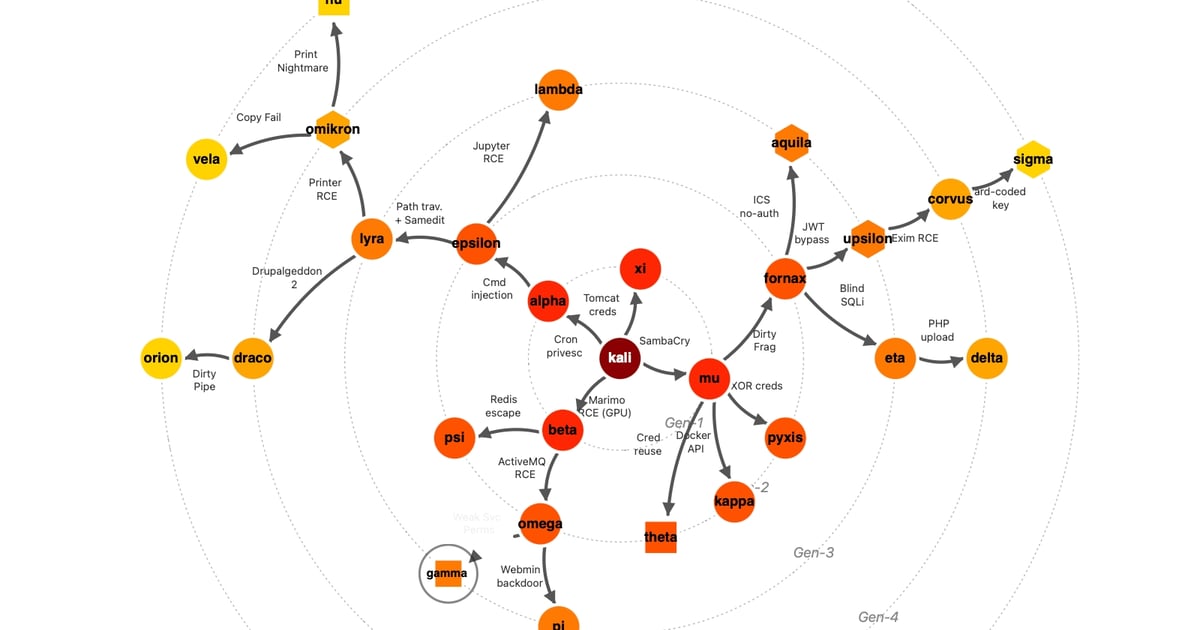
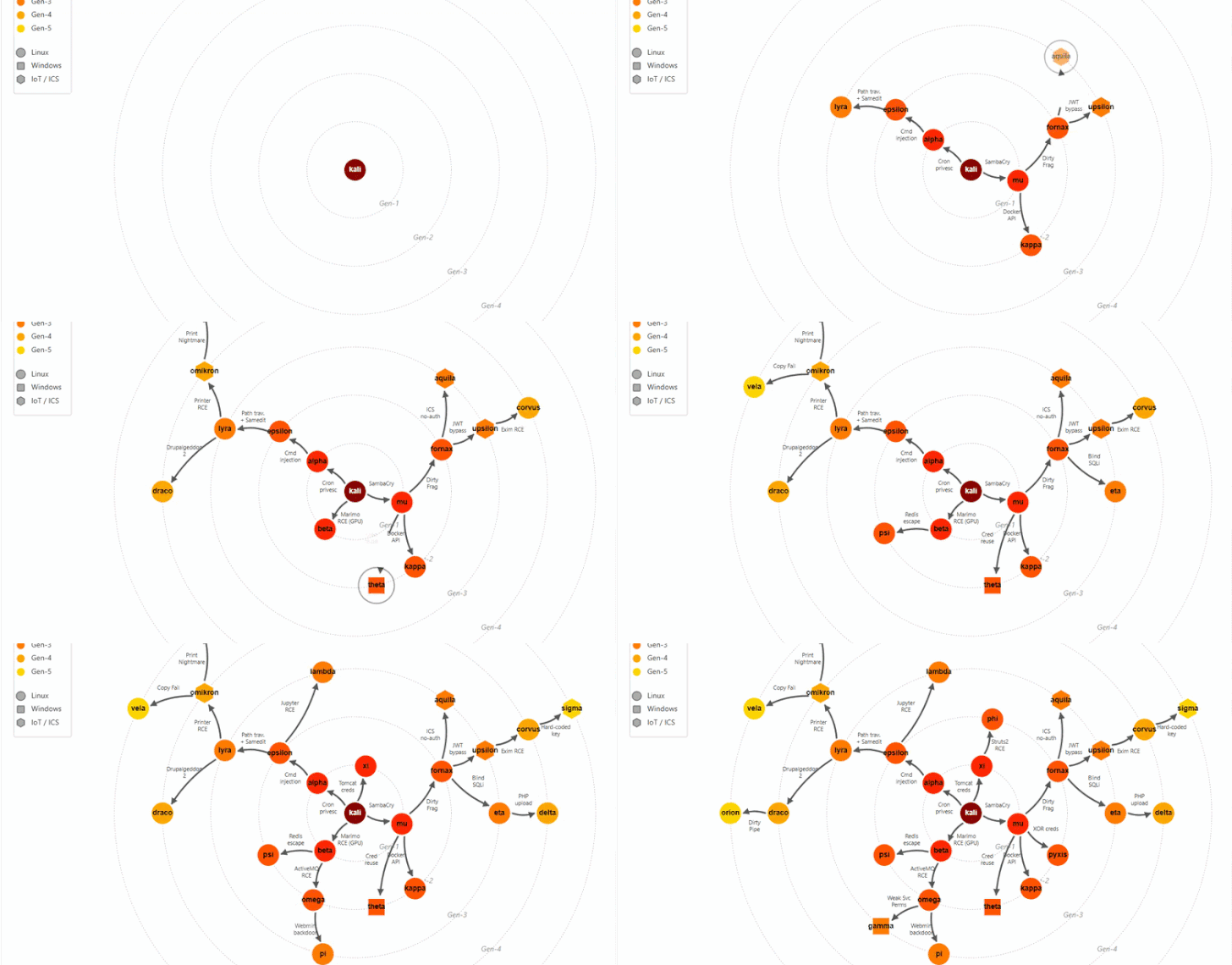
The researchers ran the worm 15 times on a simulated 33-machine corporate network. On average, in one week with zero human involvement, the worm broke into nearly three-quarters of the machines on the network, and set up a permanent presence on nearly two-thirds of them.
In addition, any LLM knowledge cutoff—a date after which they don’t know about new vulnerabilities—did not stop the worm. The researchers showed the worm could read fresh, publicly available vulnerability advisories online in real time—the same ones security teams use—and figure out how to exploit those new flaws on its own.