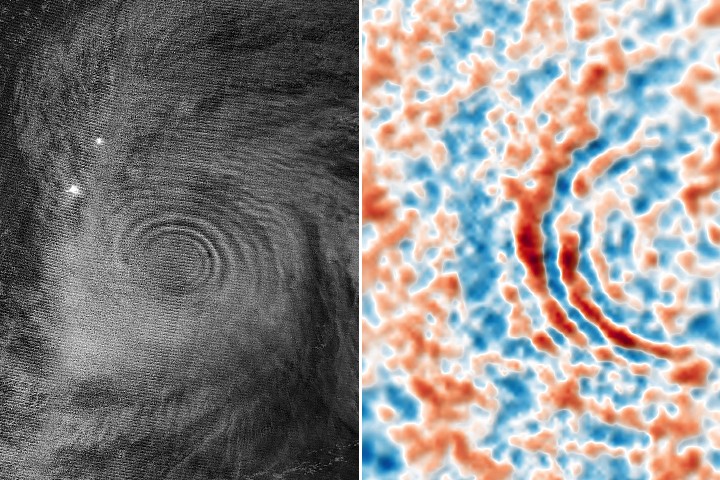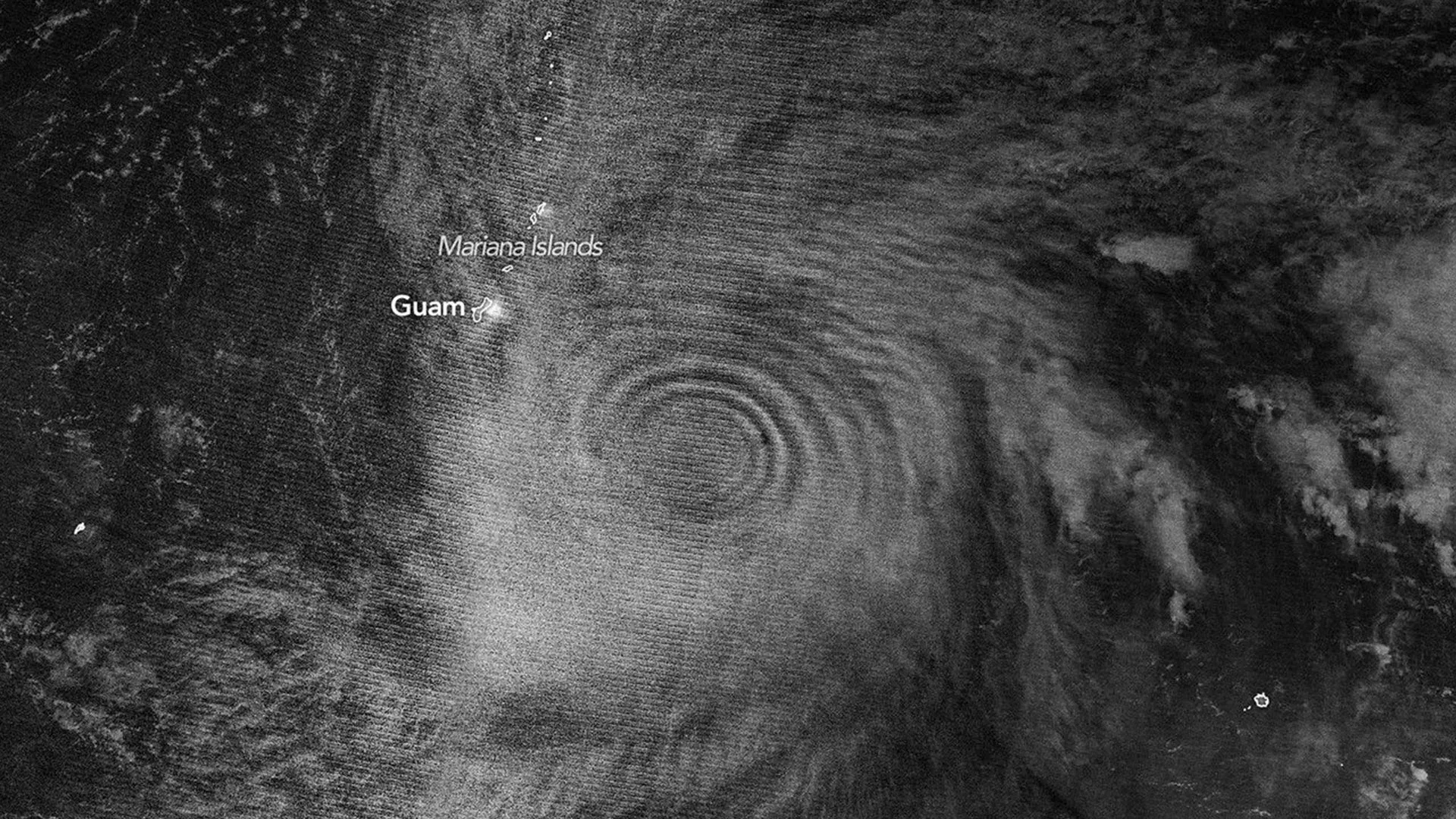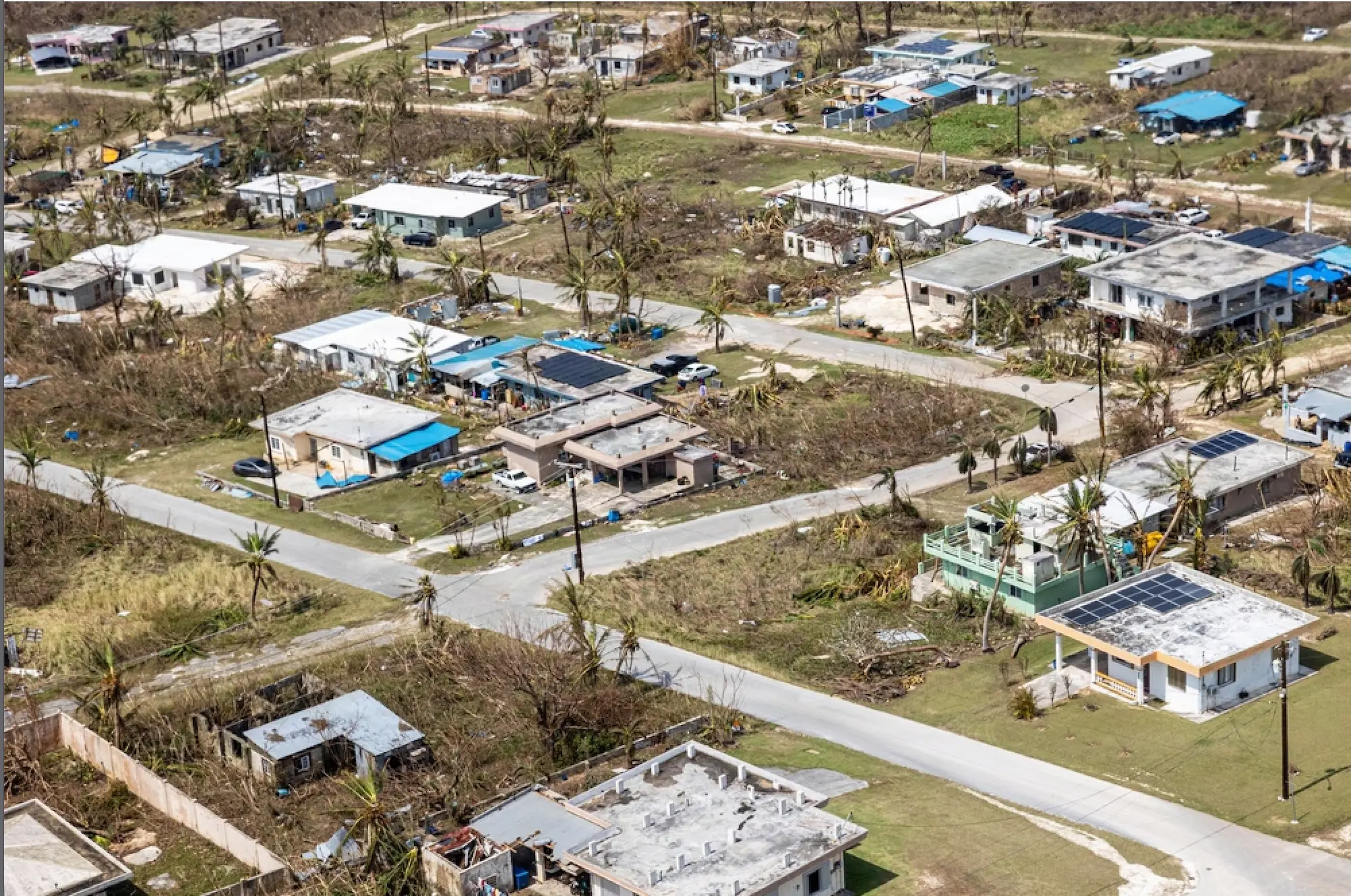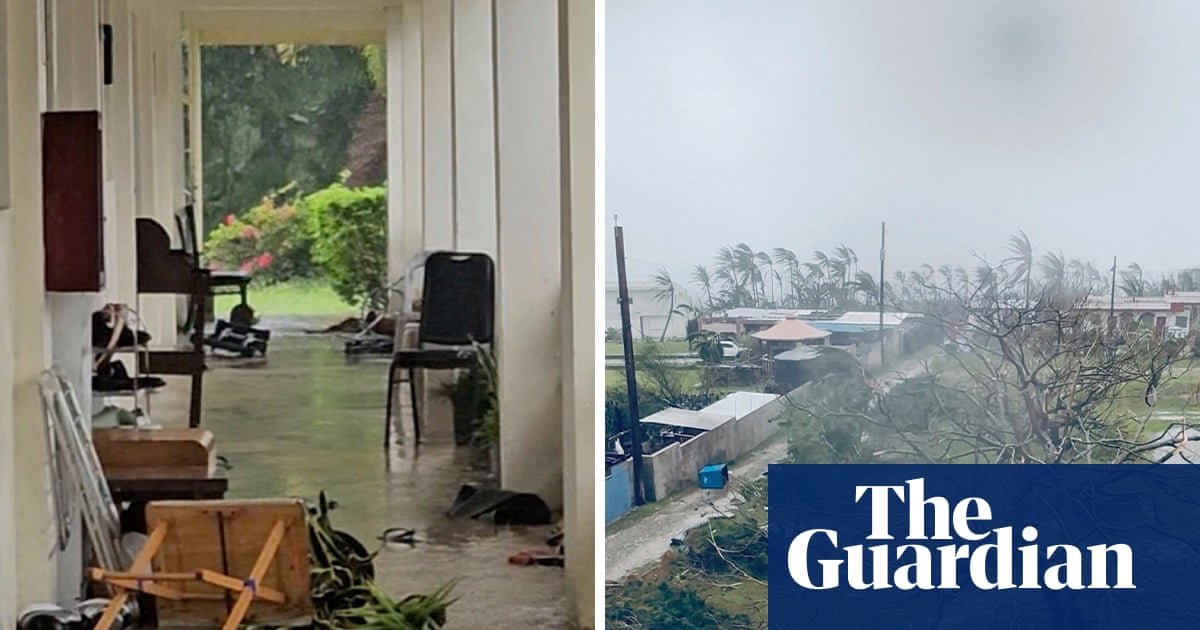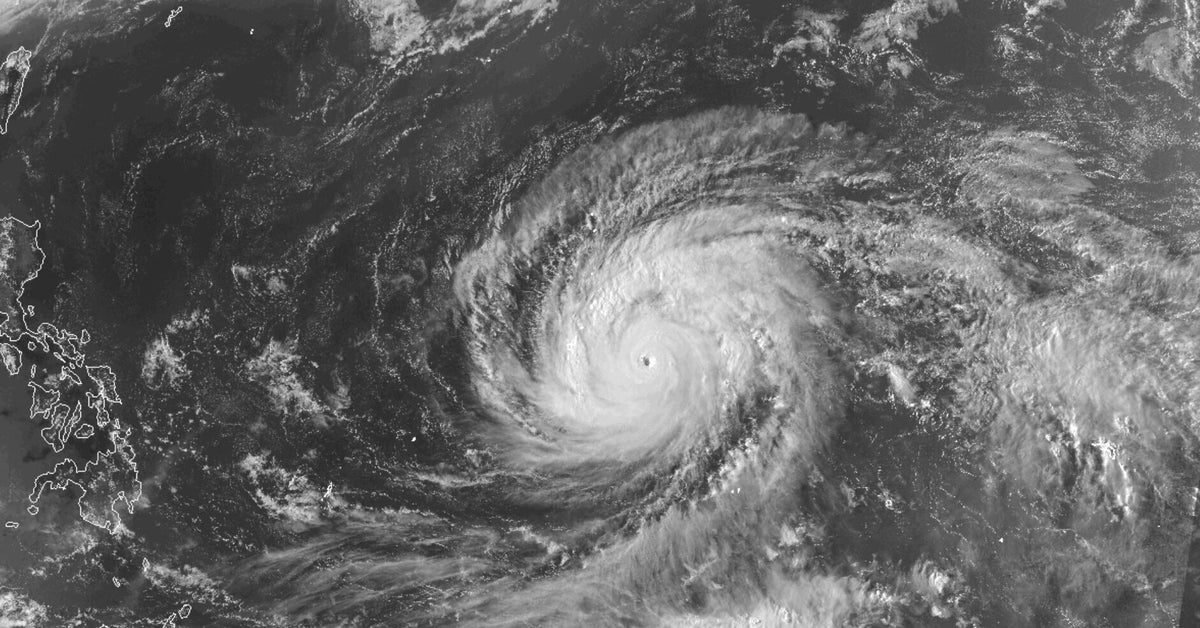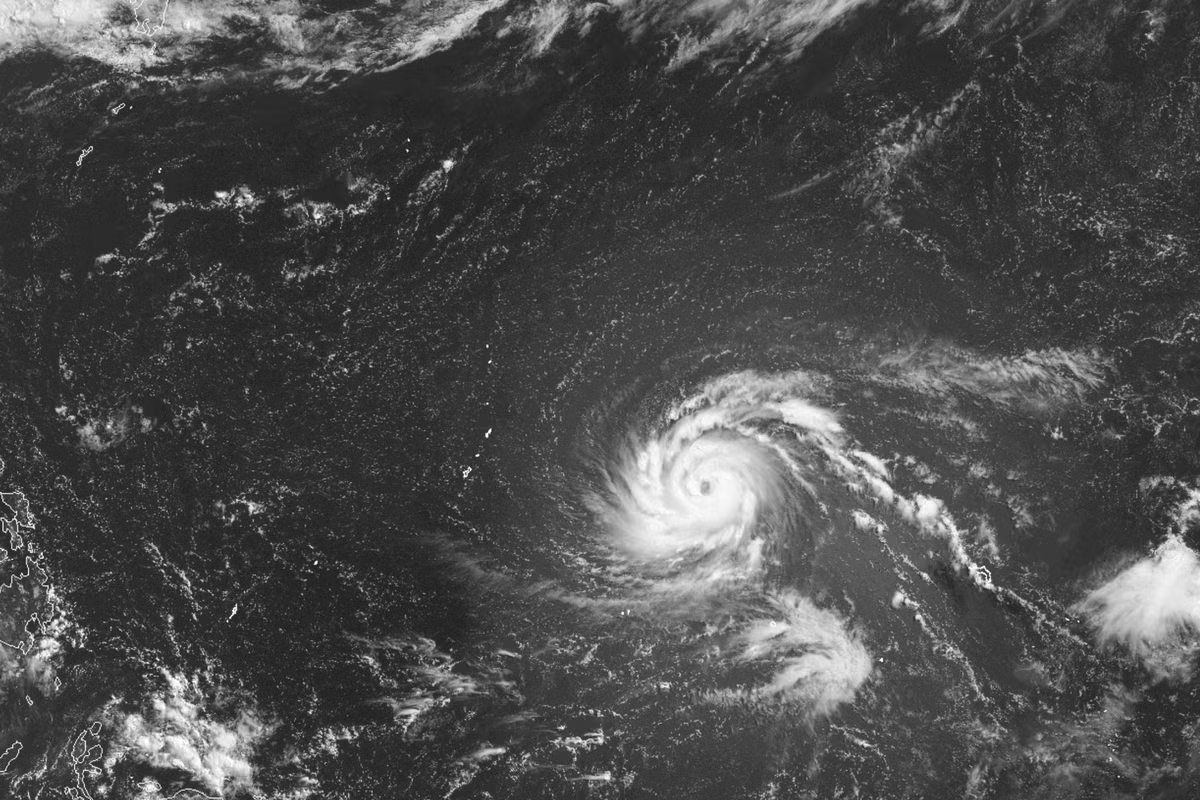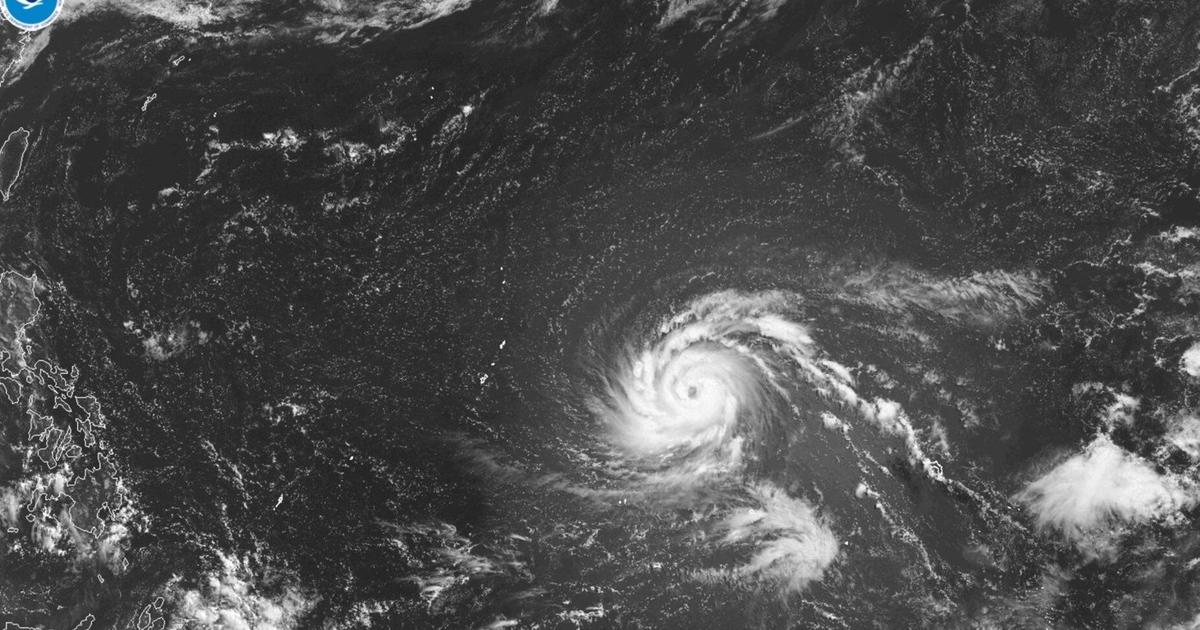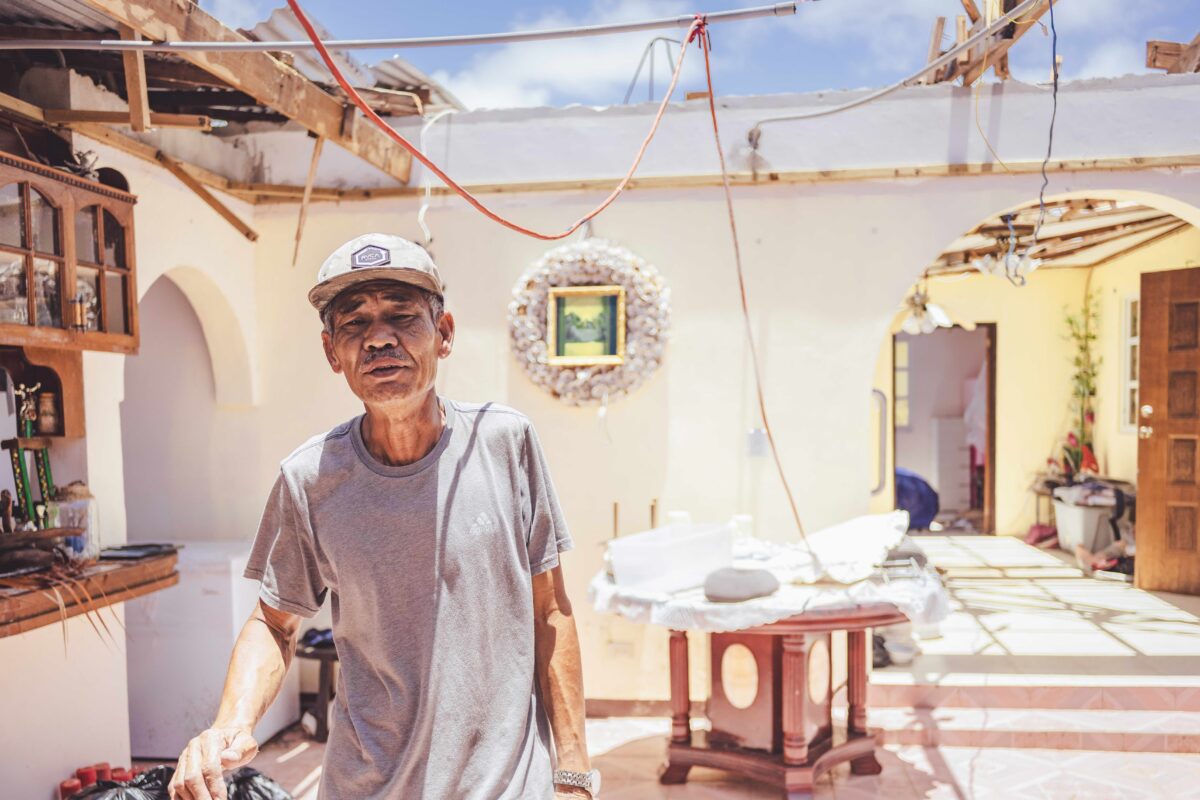
More than one month after Typhoon Sinlaku, the strongest storm on Earth so far this year, people in the Western Pacific are slowly picking up the pieces of the wreckage.Officials are counting the number of people displaced, families are fishing to put food on the table, some schools are out, many remain without stable housing and electricity and thousands are applying for aid as recovery remains uncertain.In Chuuk State, the part of the Federated States of Micronesia hardest hit by the typhoon, emergency officials estimate that the storm destroyed or severely damaged more than 7,000 homes in Chuuk and Yap and displaced more than 13,000 people. The regionwide death toll has ticked up to 17, making Sinlaku the deadliest storm in the Micronesian region of the Pacific since 2002.A meteorologist said Sinlaku’s sudden escalation happened over ocean waters 0.6°Celsius warmer than average — temperatures made 70-100 times more likely due to climate change.
Katelynn Delos Reyes thought she knew what to expect when Typhoon Sinlaku slammed into Saipan in April. As a lifelong resident of the island, Delos Reyes had survived frequent storms, including Super Typhoon Yutu, the second-strongest in U.S. history. Eight years ago, Yutu’s 274-kmph (about 170-mph) winds devastated her village in the southern end of Saipan. Just three years before that, she survived Typhoon Soudelor.