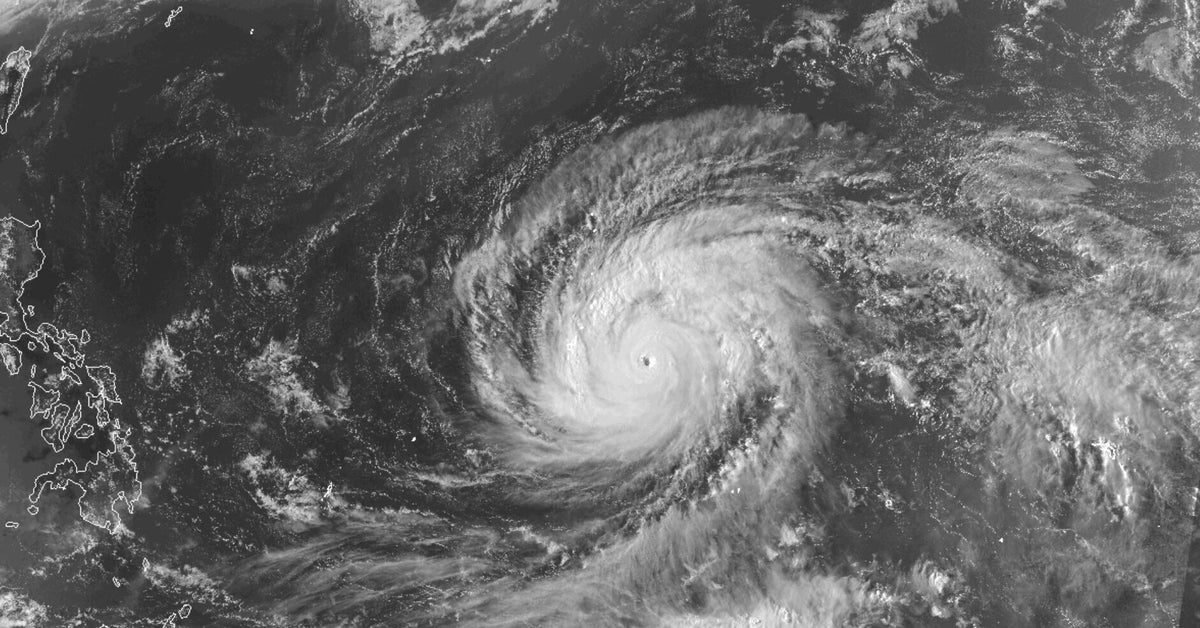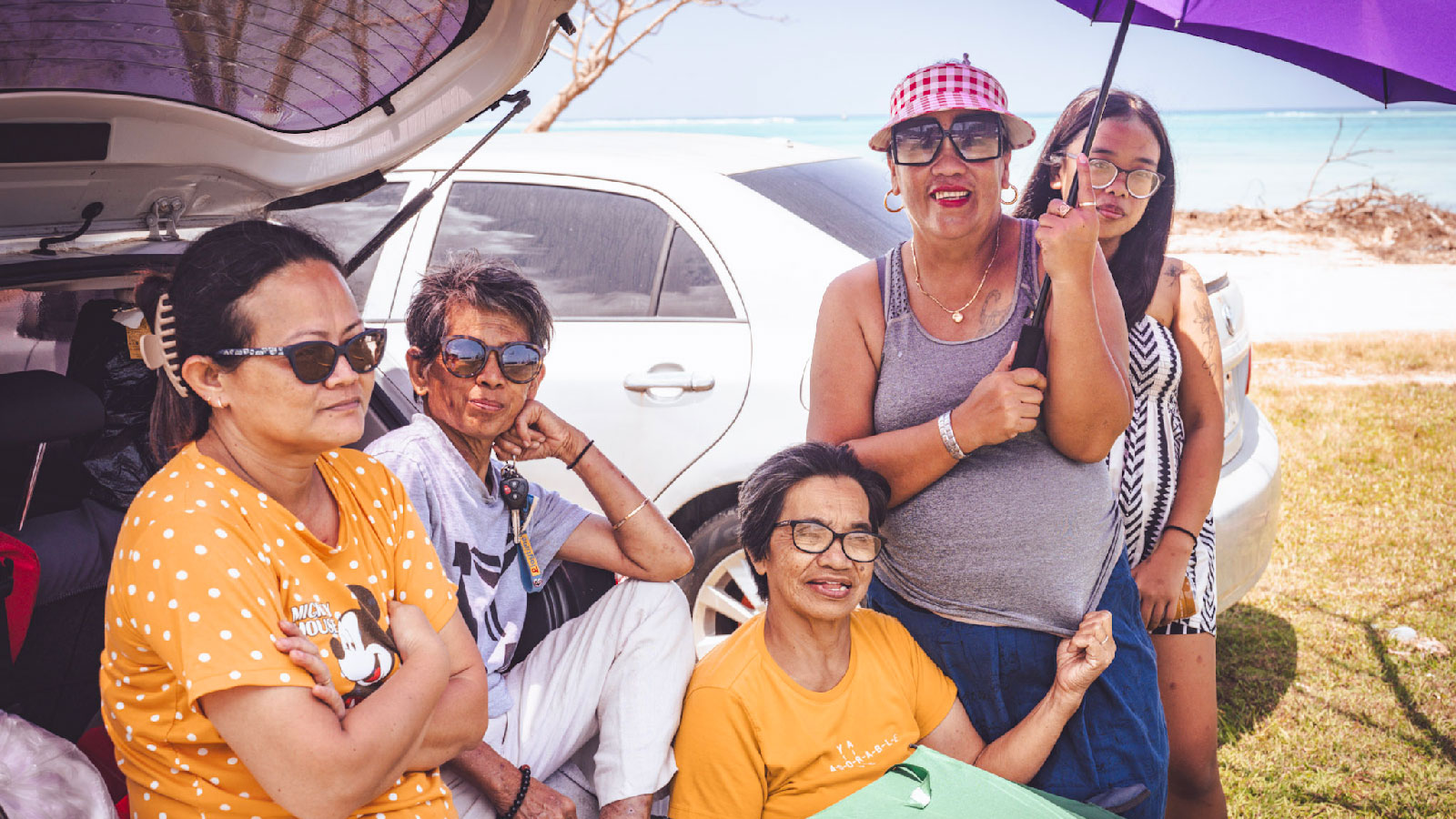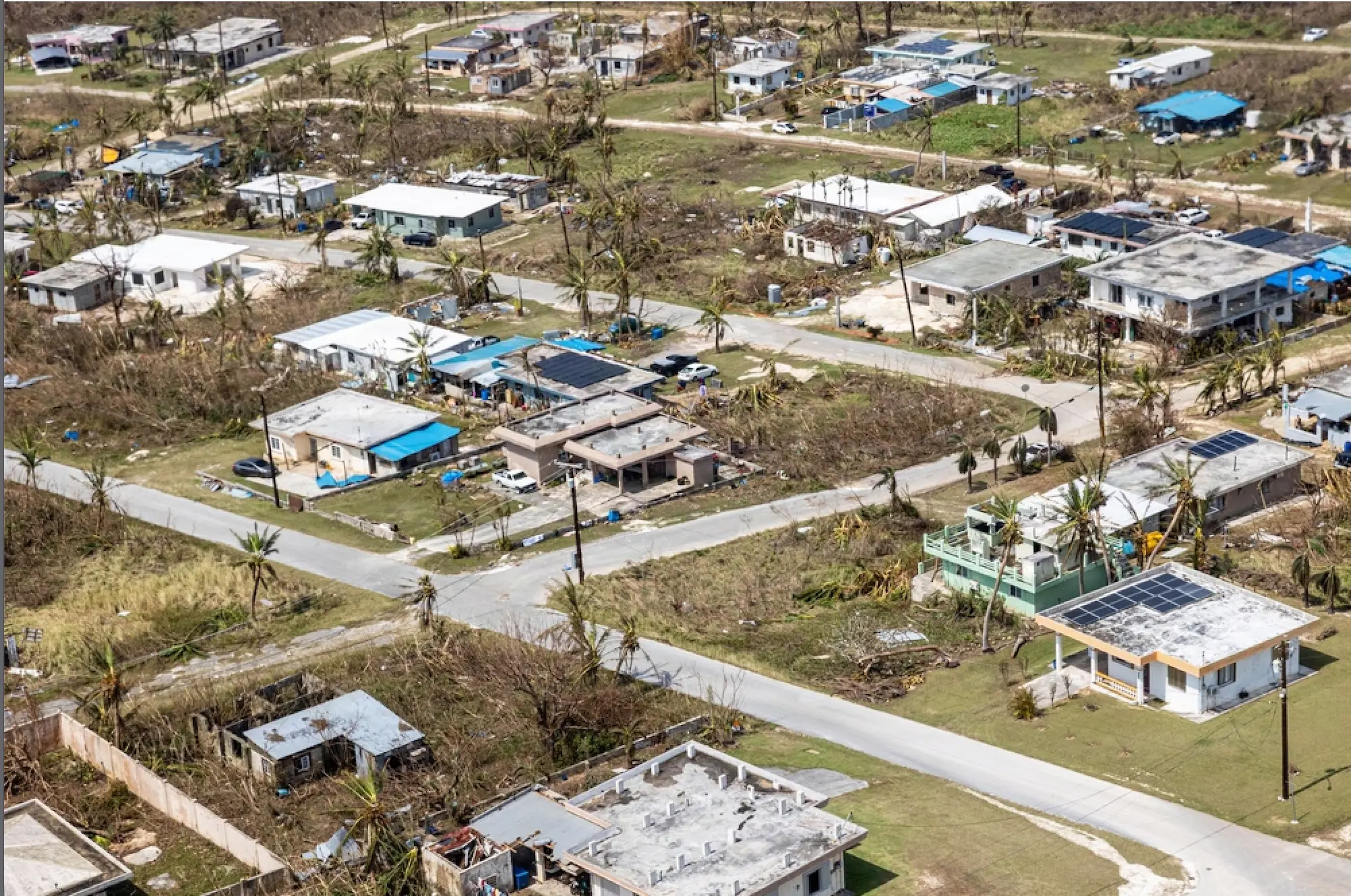
Katelynn Delos Reyes thought she knew what to expect when Typhoon Sinlaku slammed into Saipan last month. As a lifelong resident of the island, Delos Reyes had survived frequent storms, including Supertyphoon Yutu, the second-strongest in U.S. history. Eight years ago, Yutu’s 170-mph winds devastated her village in the southern end of Saipan. Just three years before that, she survived Typhoon Soudelor.
But Sinlaku was different. “At the beginning, it was OK. But later on it wasn’t,” said Delos Reyes, who is Chamorro, Indigenous to the Mariana Islands.
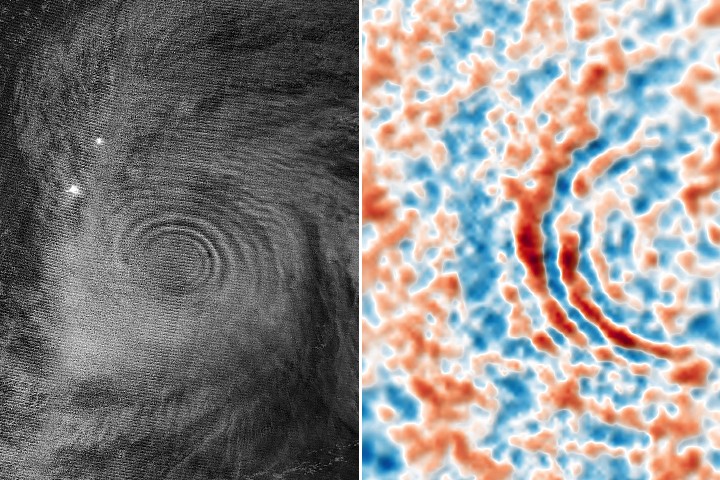
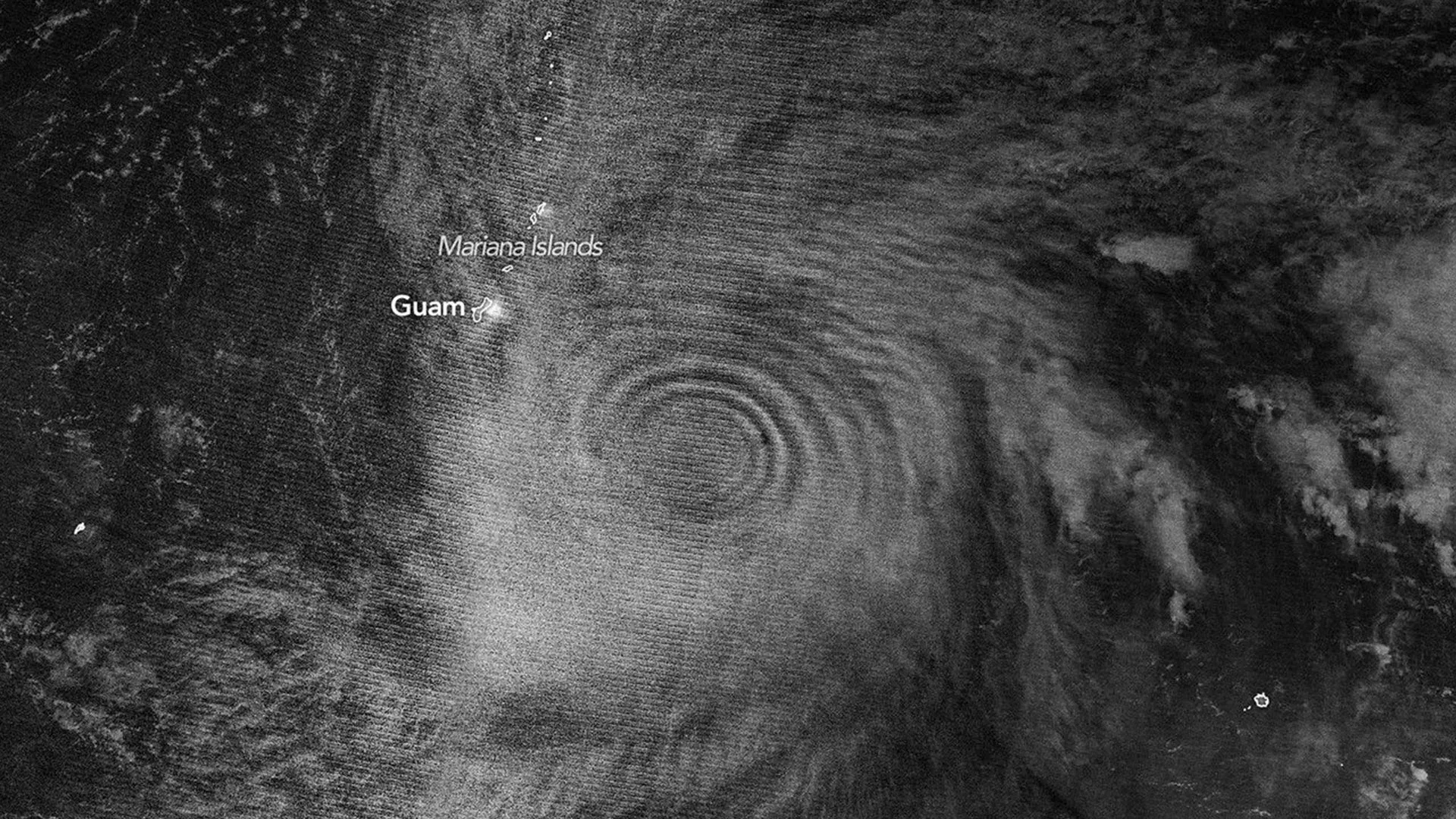
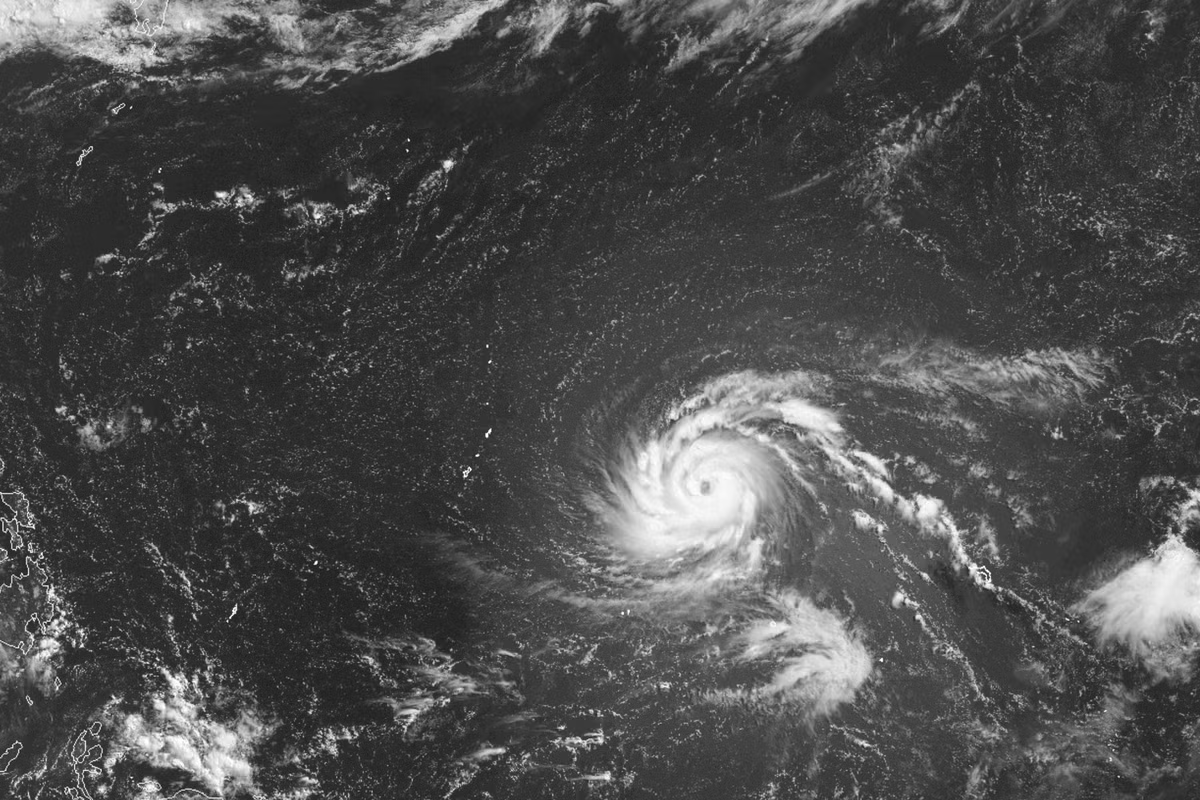
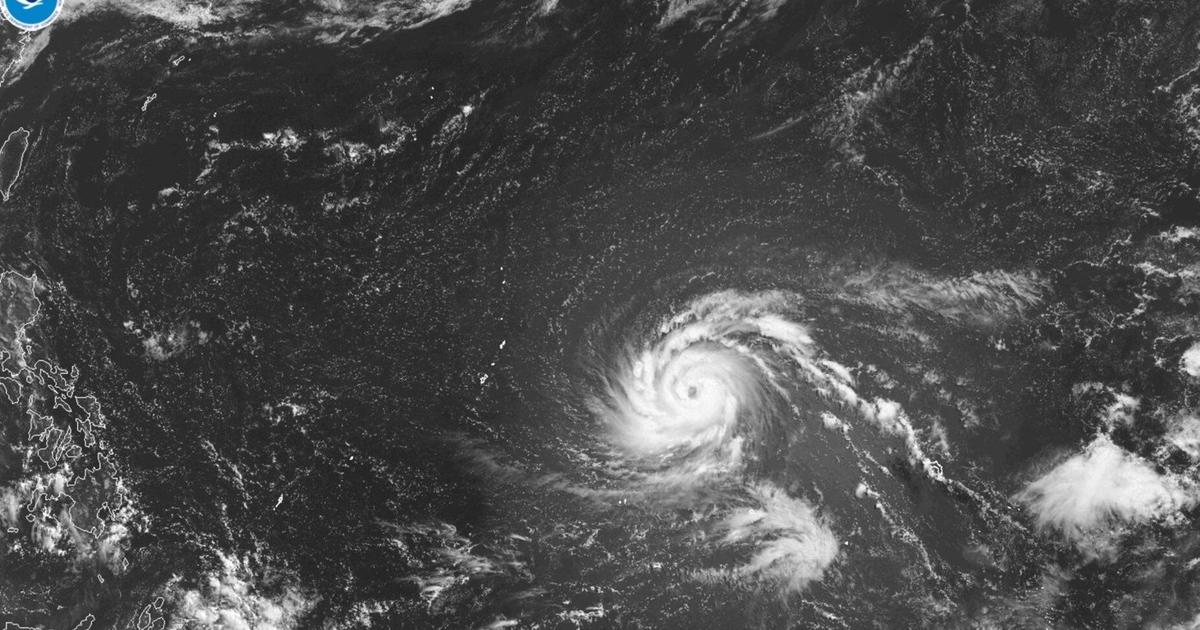
A few days before it hit the Commonwealth of the Northern Mariana Islands, or CNMI, on April 14, Sinlaku had tropical-storm winds. That made it what is known in the Marianas as a “banana typhoon” because such storms level banana trees but leave others standing. Then over the weekend, the typhoon rapidly intensified by 75 mph in just 24 hours before becoming a 185-mph monstrosity and the strongest storm on Earth so far this year.
Delos Reyes and her family had done what they could to prepare. They boarded up the windows. They bought gallons of drinking water and filled plastic drums to use in the shower and toilet.
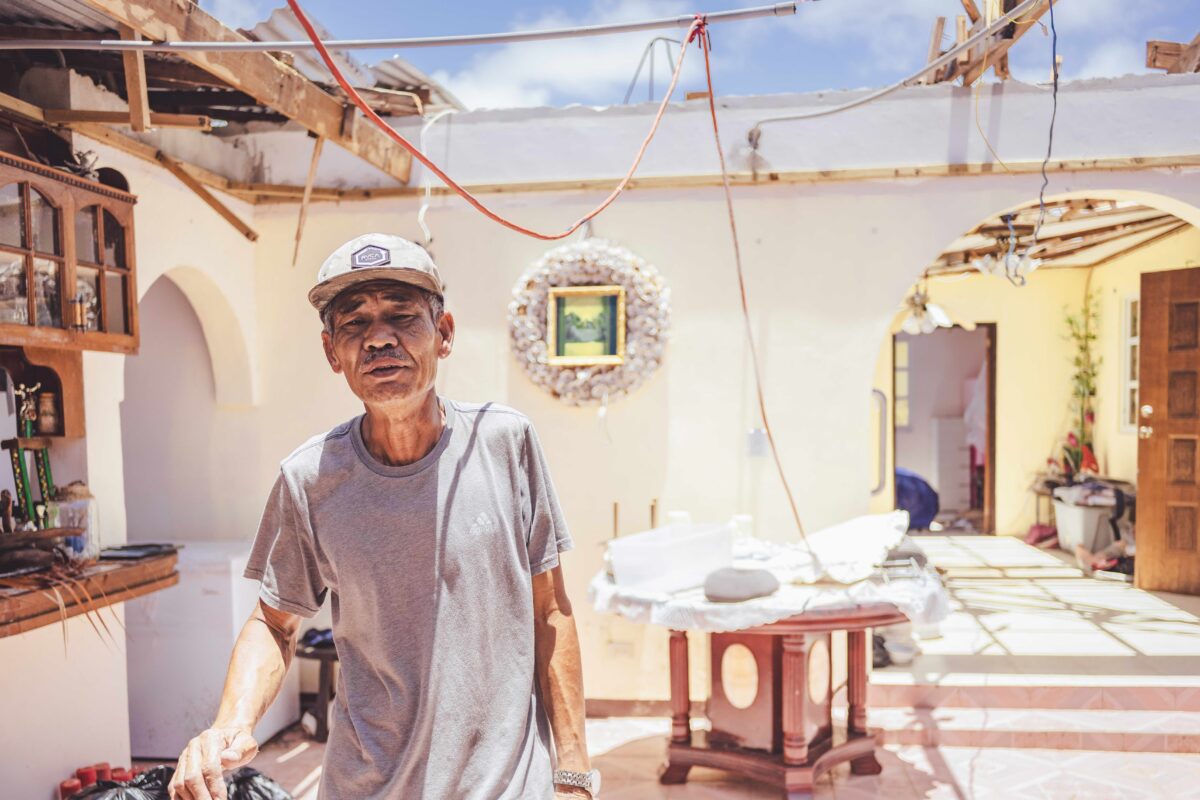
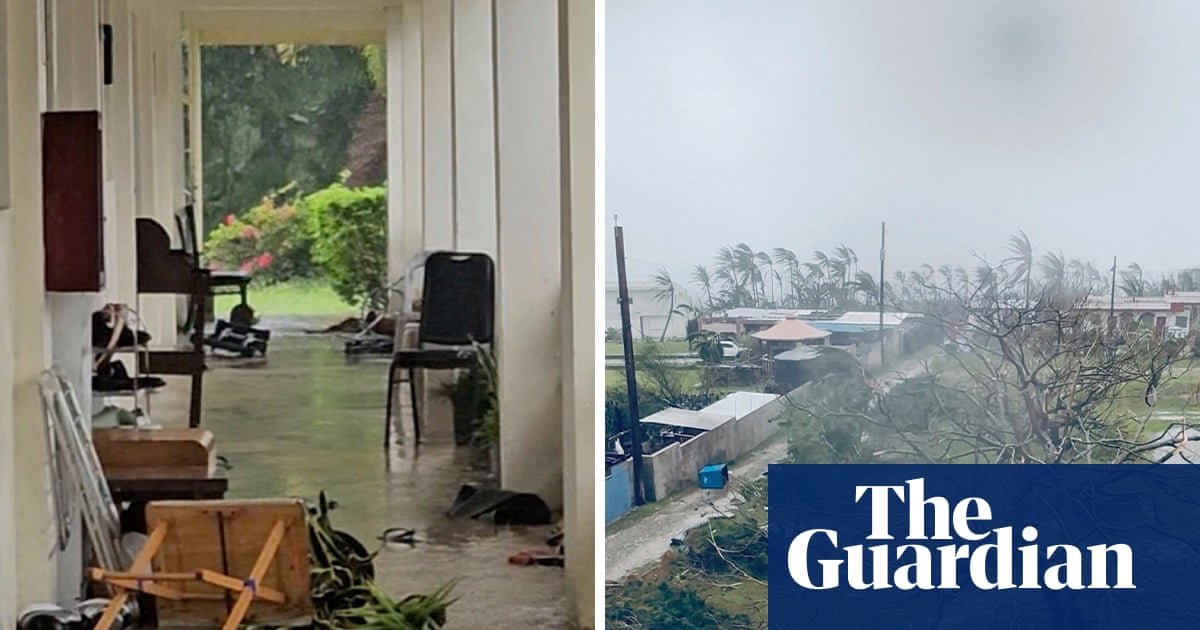
Then the storm hit, and Delos Reyes grew scared. The winds, which had weakened to 150 mph, ripped the wood from a window. Rainwater gushed through the ceiling and soaked their belongings, including Delos Reyes’ mattress. She and her partner, her mother, her daughter, and their two dogs hid in her mother’s room, where its concrete roof and walls would keep them safe. She heard sections of the roof tumbling away. Eventually, Sinlaku slowed to a crawl, forcing tens of thousands of others to remain sheltered for days. “How long is this storm going to be with us?” she prayed. “I think, Lord, maybe it’s enough, you can go and finish it elsewhere.”