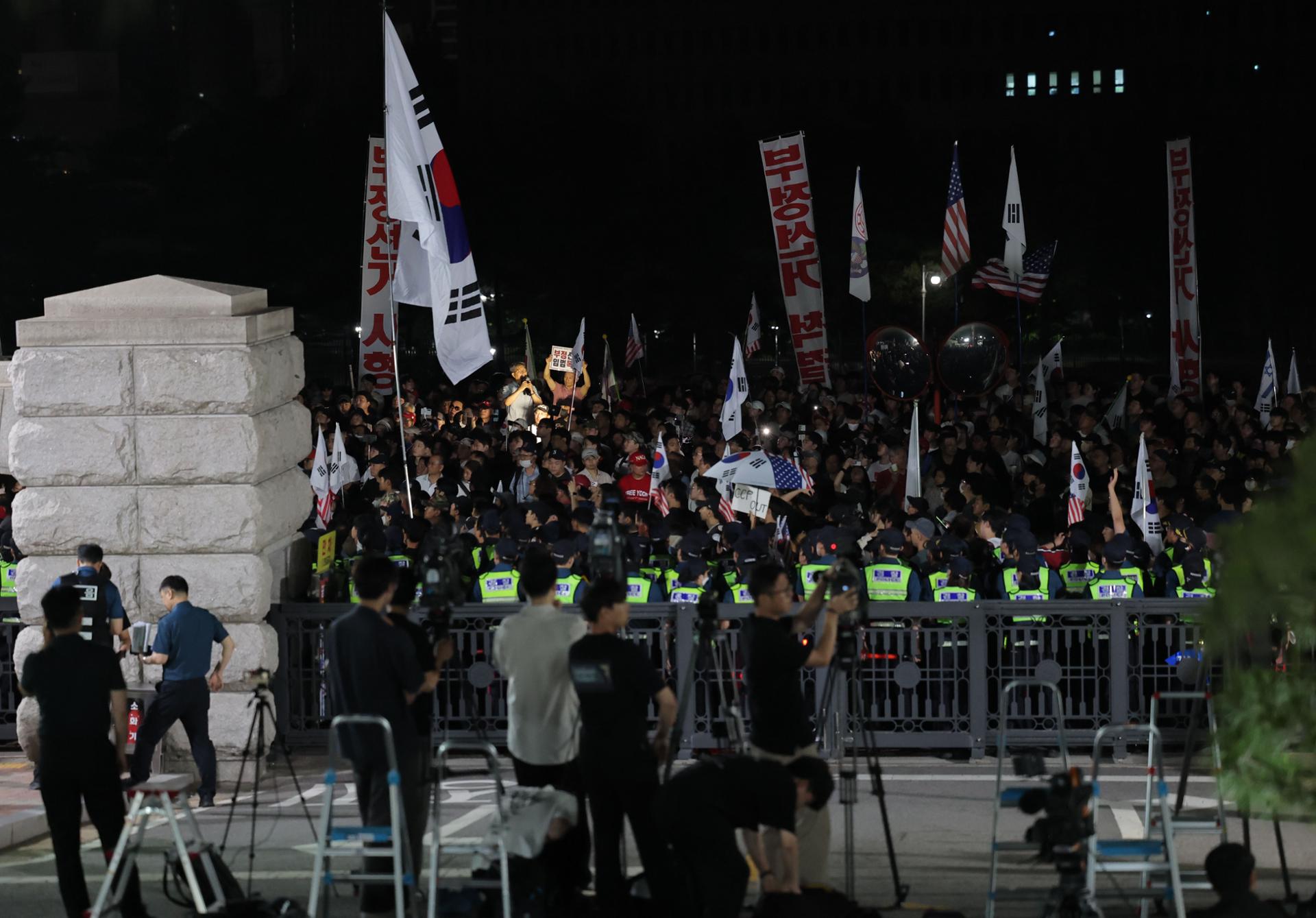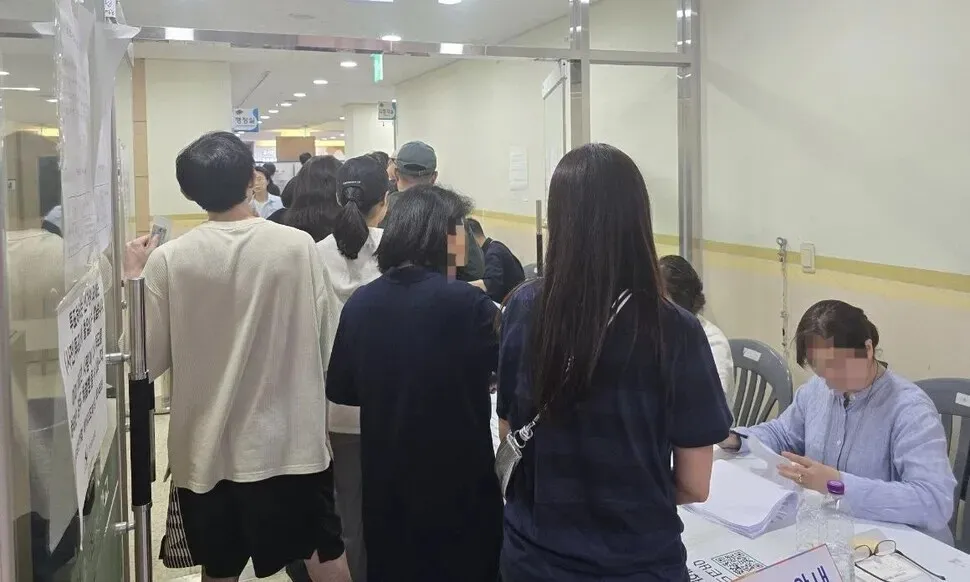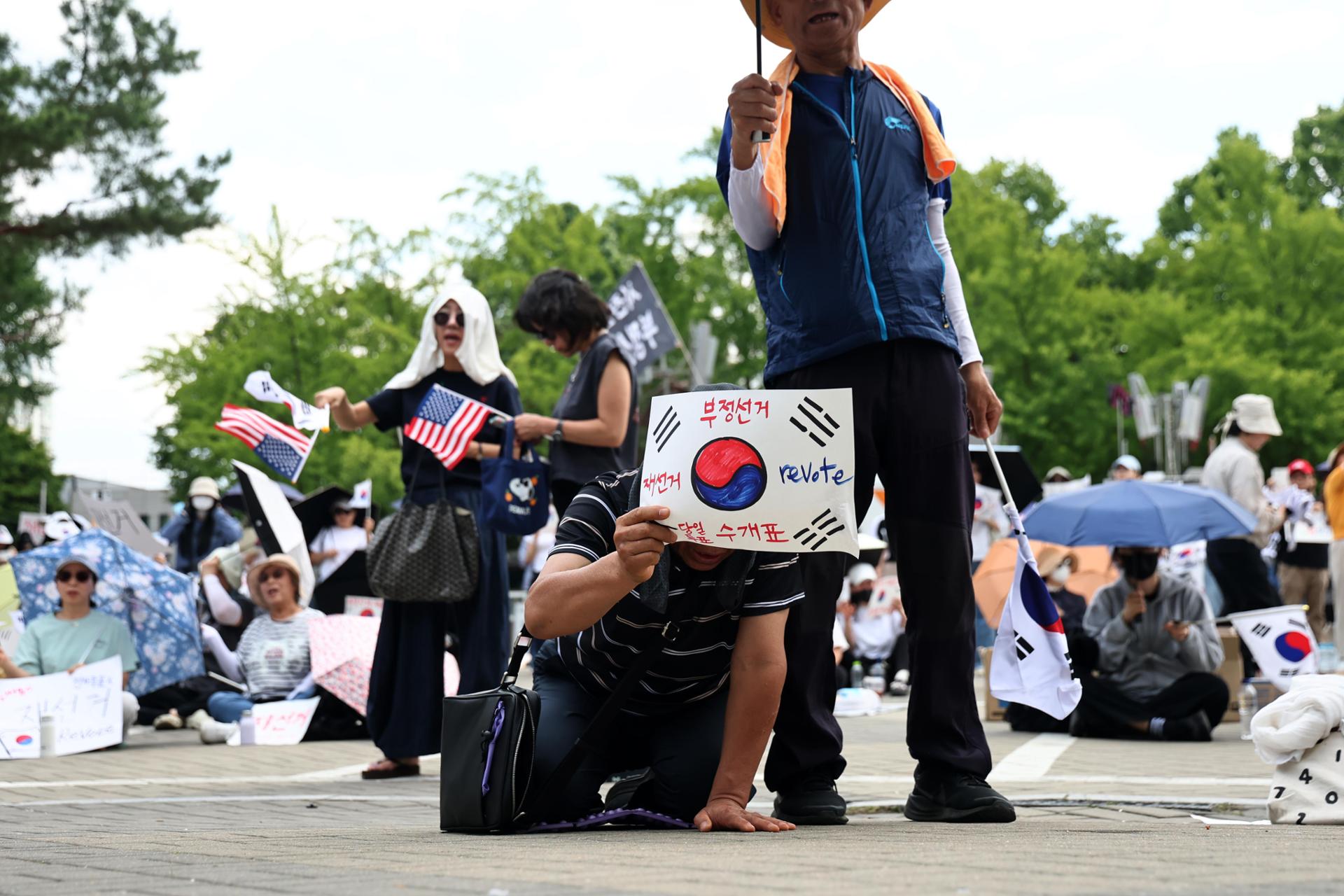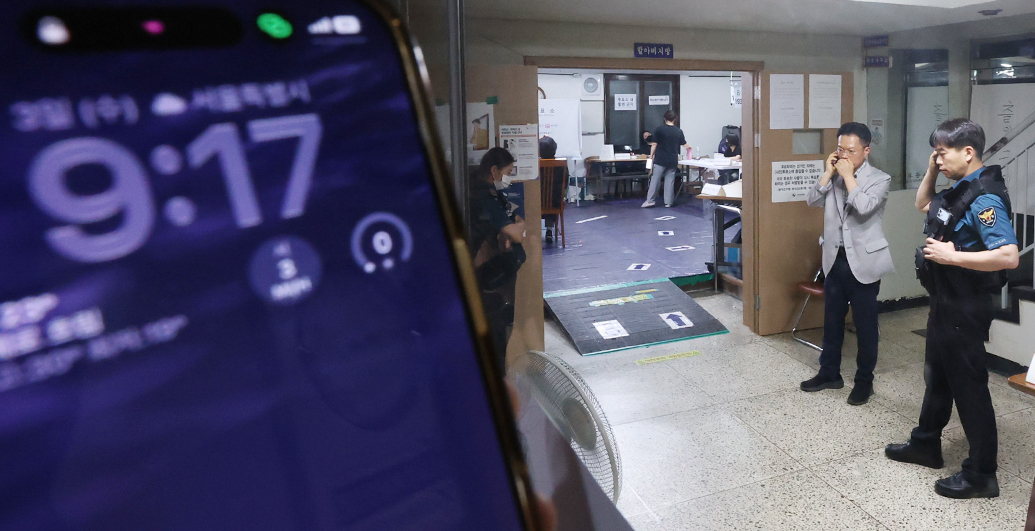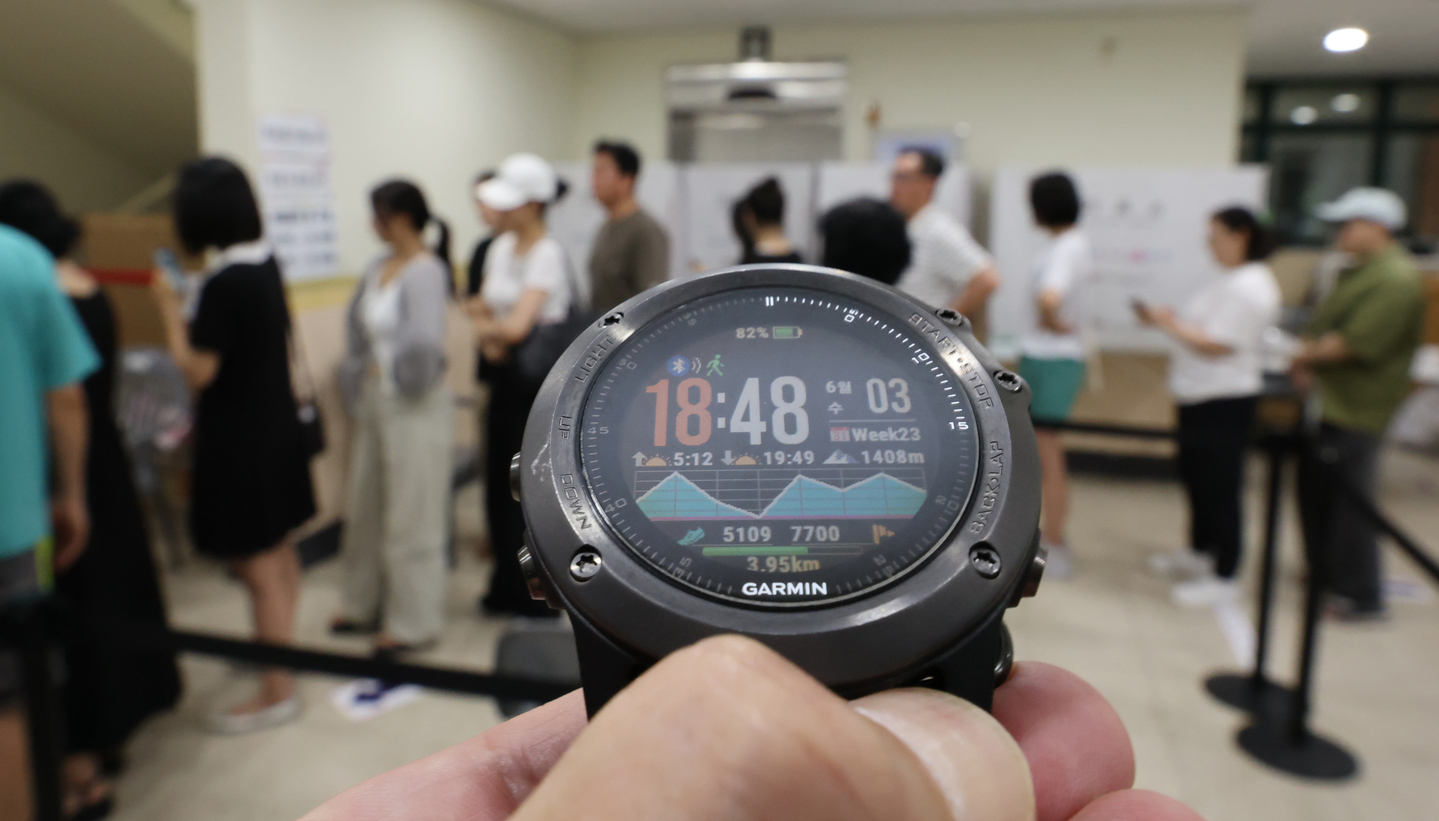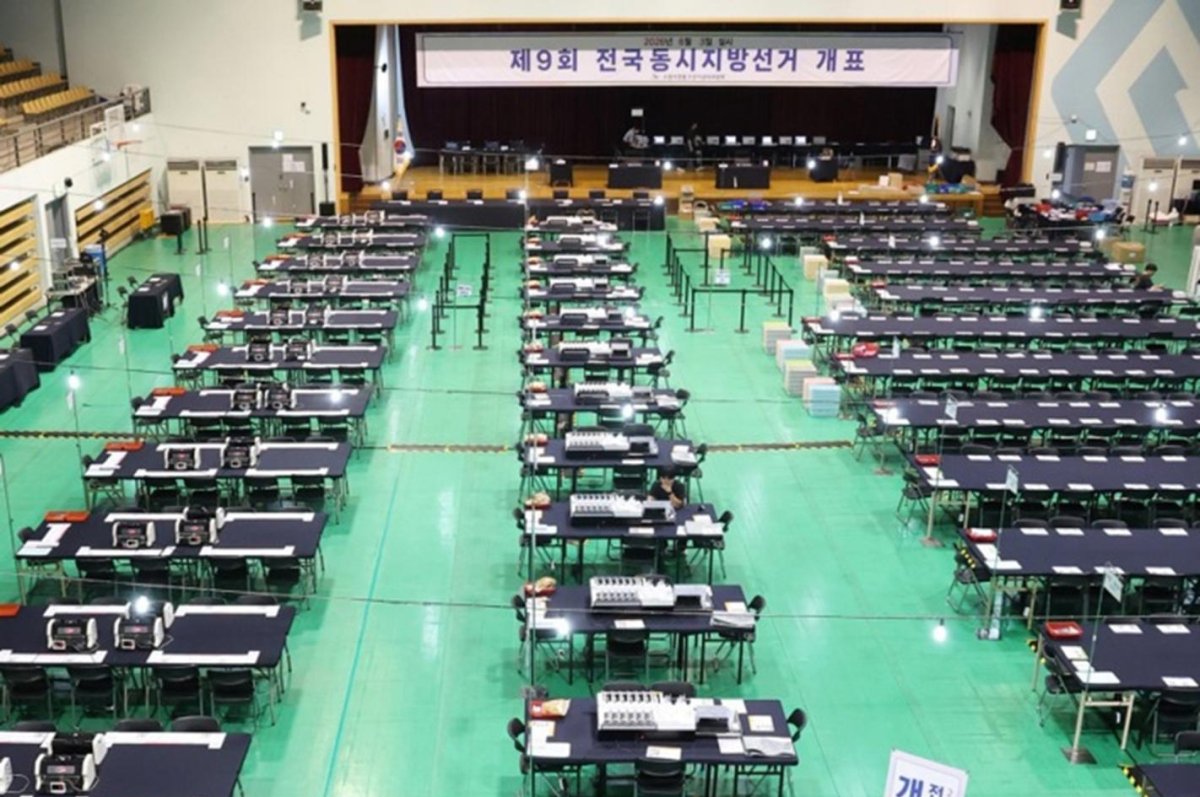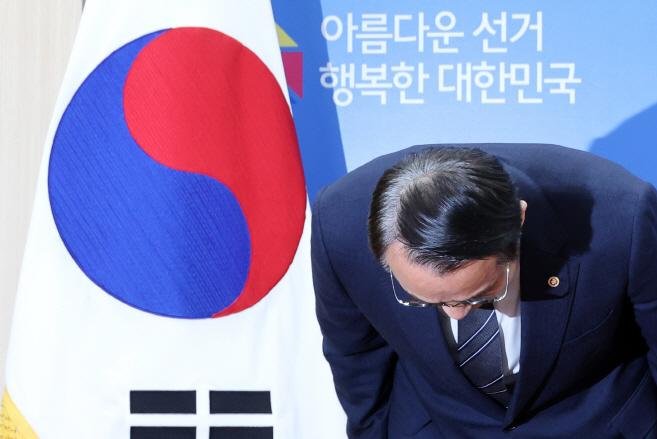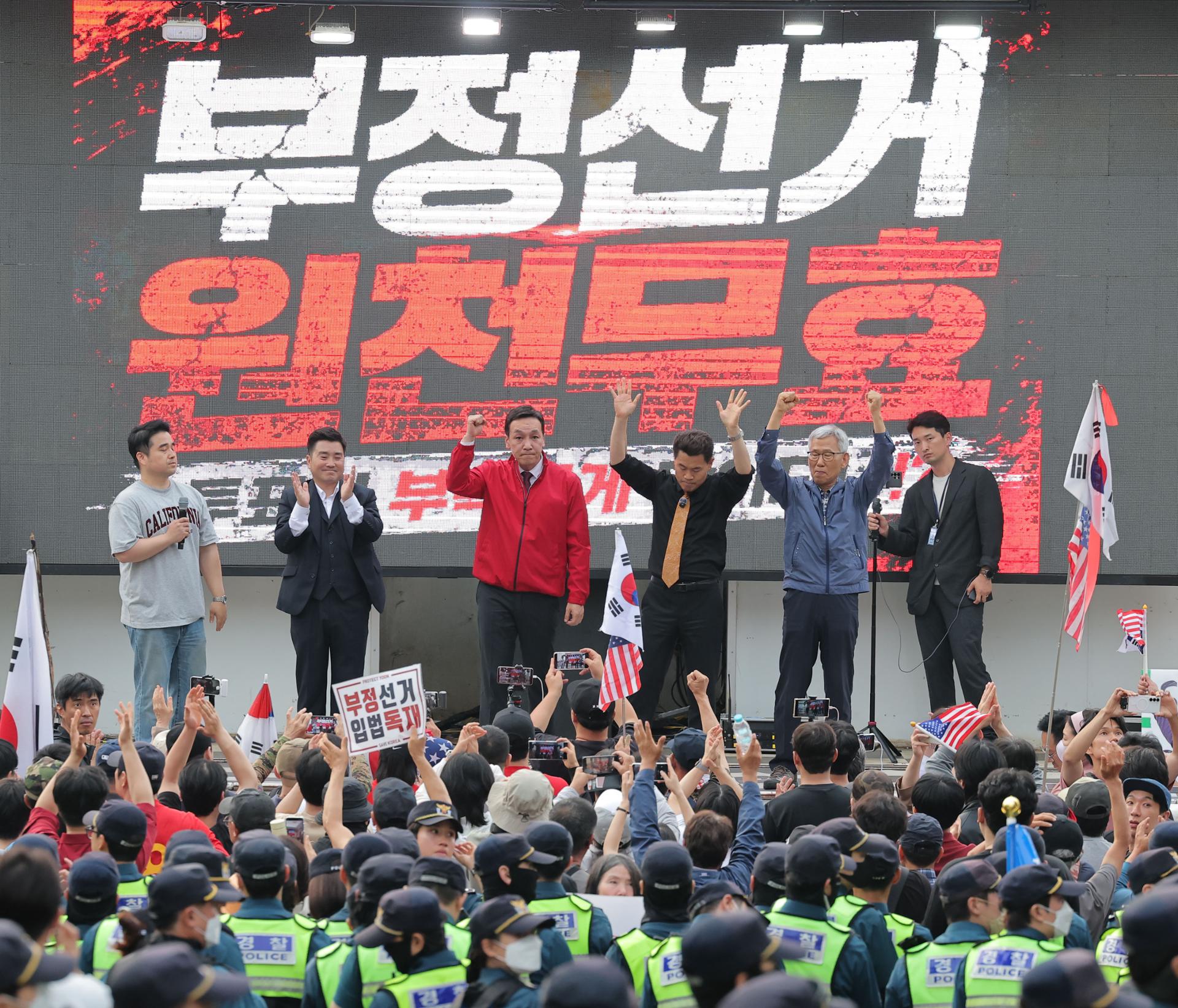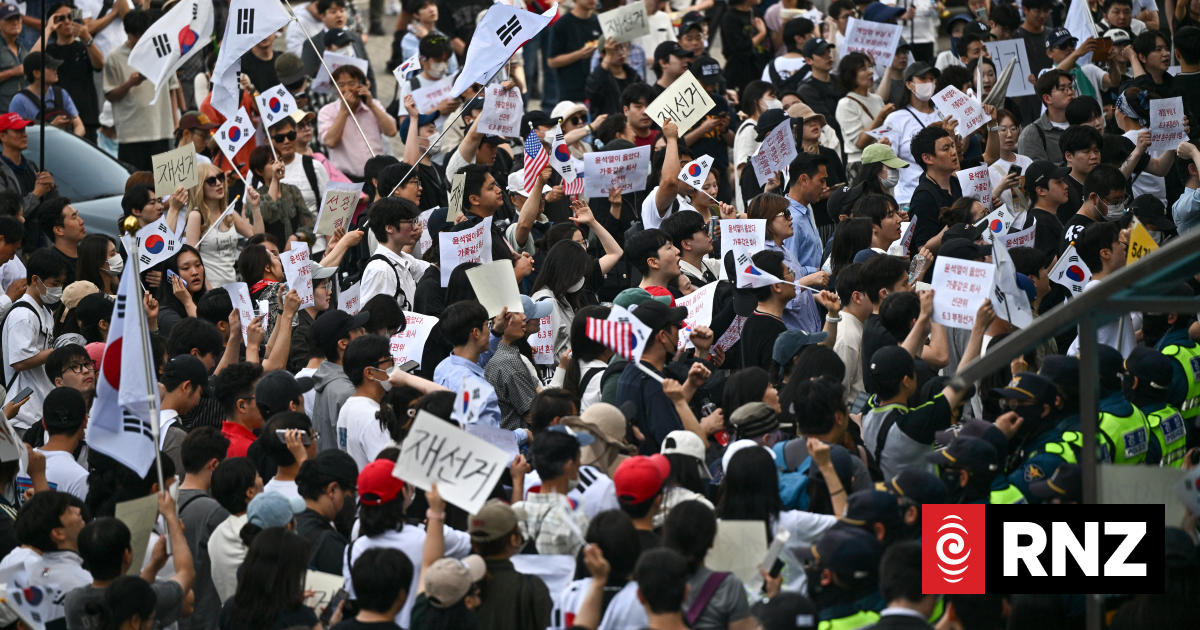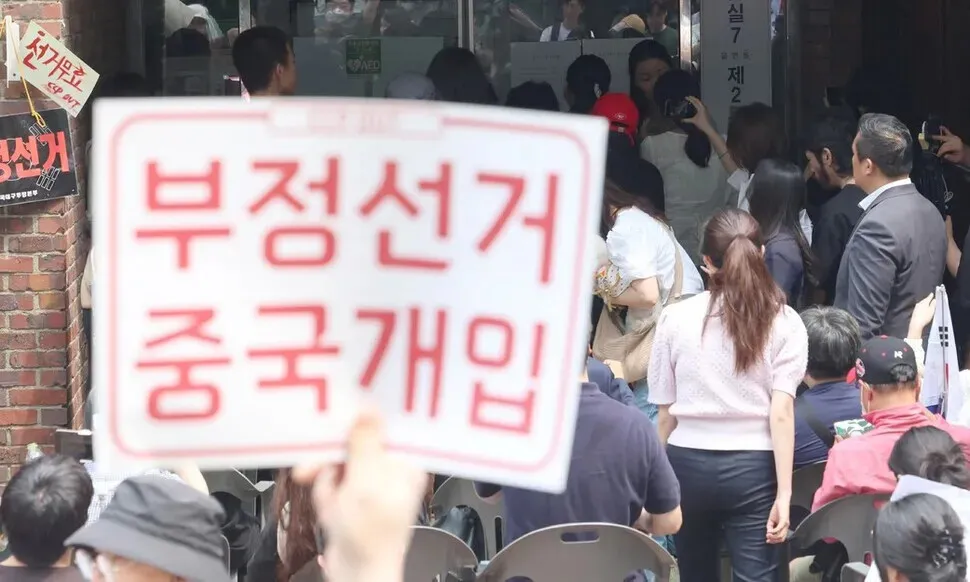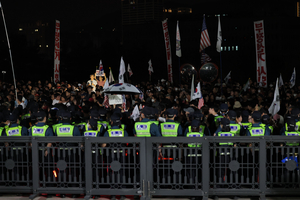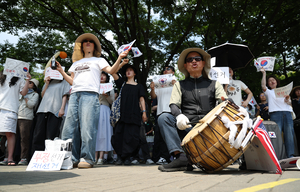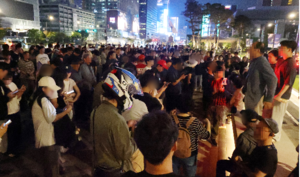
Legal experts say NEC officials could be held accountable, but court-ordered revote unlikely Citizens gather at Gwanghwamun Square to protest the unprecedented ballot shortages on Wednesday night. (Yonhap) The National Election Commission’s decision to extend voting hours in Seoul after polling stations ran out of ballot papers is expected to face legal scrutiny, legal experts said Wednesday, though they view a revote as unlikely.NEC Secretary-General Huh Cheol-hoon apologized, saying the commission had caused “great confusion and concern” after ballot shortages forced voting to be suspended at some sites during the June 3 local elections.He said the NEC immediately sent additional ballot papers to affected polling stations and allowed voters who were already waiting to cast their ballots even after the official 6 p.m. closing time.According to the NEC, 14 polling stations in districts including Songpa, Gangnam and Gwangjin reported shortages, leaving some voters waiting in line for as long as two to three hours.Parties were quick to weigh in on the incident.The main opposition People Power Party called for an immediate halt to vote counting in Seoul and raised the possibility of a revote, while the ruling Democratic Party dismissed the demand as having “no value whatsoever” and urged the commission to ensure counting proceeds smoothly. Exit polls showed the Democratic Party heading for a landslide victory nationwide, with a clear lead in Seoul.Did the NEC have legal grounds to extend voting hours?“There are no legal grounds allowing an extension of the voting period,” said Choi Seok-ho, an attorney at law firm Jinri. “There are provisions governing cases where reelections may be held, but there is no legal basis for arbitrarily extending voting hours.”Article 155 of the Public Official Election Act stipulates that polling stations must operate from 6 a.m. to 6 p.m. The provision allows adjustments to voting hours only in limited circumstances, such as by-elections, early voting and public health emergencies.While the law permits voters who have received queue numbers before the deadline to cast their ballots after 6 p.m., polling stations themselves are still required to close at that time.“This appears to be a situation lacking a clear legal basis,” said Jeong Bong-kwang, an attorney at law firm Veteran. “It may be possible to interpret voters waiting in line as falling within an existing legal exception, but the issue is likely to become a point of legal contention.”Questions over the legality of the NEC’s decision were also raised by academics. “South Korean law stipulates that elections must take place between 6 a.m. and 6 p.m.,” said Shin Yool, a political science professor at Myongji University, during a late-night appearance on YTN.“I question whether the NEC, as an administrative agency, has the authority to simply say, ‘Let’s extend voting until 10 p.m. because there is a problem,’” Shin added.Could the extension affect the fairness of the vote?Legal experts also noted that extending voting hours could be problematic because some voters may have been able to consider exit-poll results before casting their ballots.Article 108 of the Public Official Election Act prohibits the publication of opinion polls from six days before an election until voting has concluded.“The purpose of restricting the publication of polls is to prevent voting decisions from being influenced by herd mentality or backlash effects,” Jeong said. “In that sense, the extension is problematic because it could affect how voters cast their ballots.”Is a revote or annulment likely?However, both lawyers said the controversy was unlikely to result in a revote.“The courts would consider how many people were unable to vote and the extent to which the issue actually affected the election outcome,” Jeong said. “Given that the voting hours were extended until 10 p.m. to protect citizens’ voting rights, I do not believe this would ultimately lead to a revote.”“Even if the matter were to proceed to administrative litigation, I do not think it would result in a revote or the invalidation of the election,” Choi said.Who could be held responsible?Choi added that legal responsibility could fall on individual election officials involved in the ballot distribution process.“Because the NEC is an independent constitutional institution, the courts cannot punish the commission itself,” Choi said. “The issue would more likely be viewed as professional negligence on the part of the officials responsible for distributing the ballots, resulting in the shortage.”Meanwhile, President Lee Jae Myung said the NEC should take appropriate responsibility for the incident.
Ballot chaos prompts legal doubts over NEC’s late-night voting extension
The National Election Commission’s decision to extend voting hours in Seoul after polling stations ran out of ballot papers is expected to face legal scrutiny,
726 words~3 min read