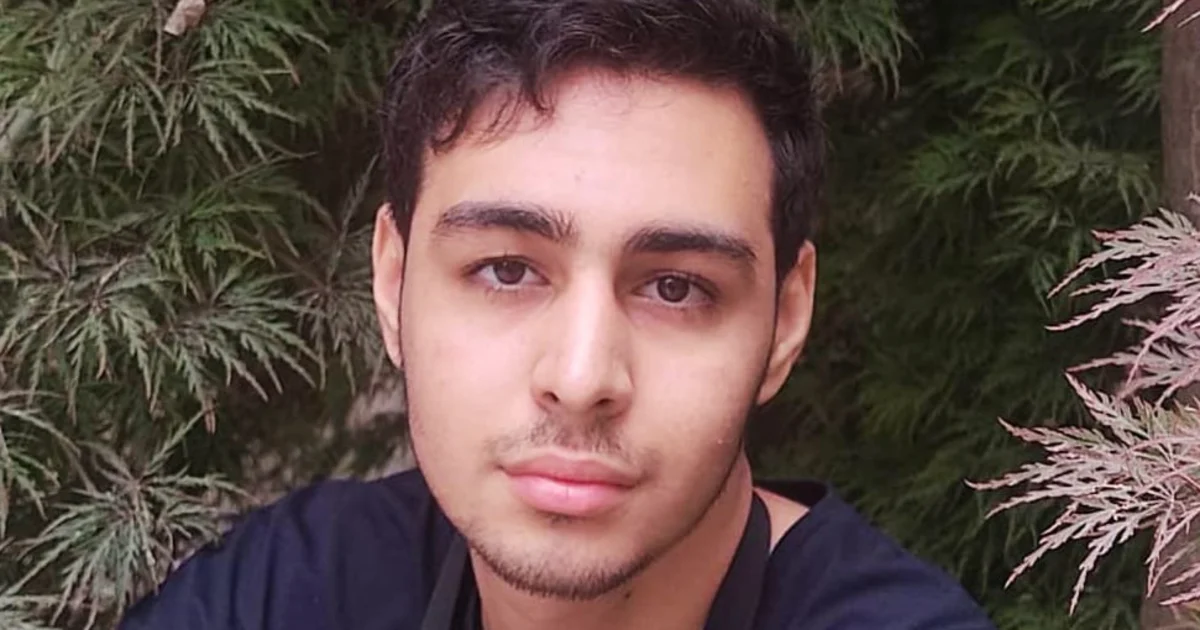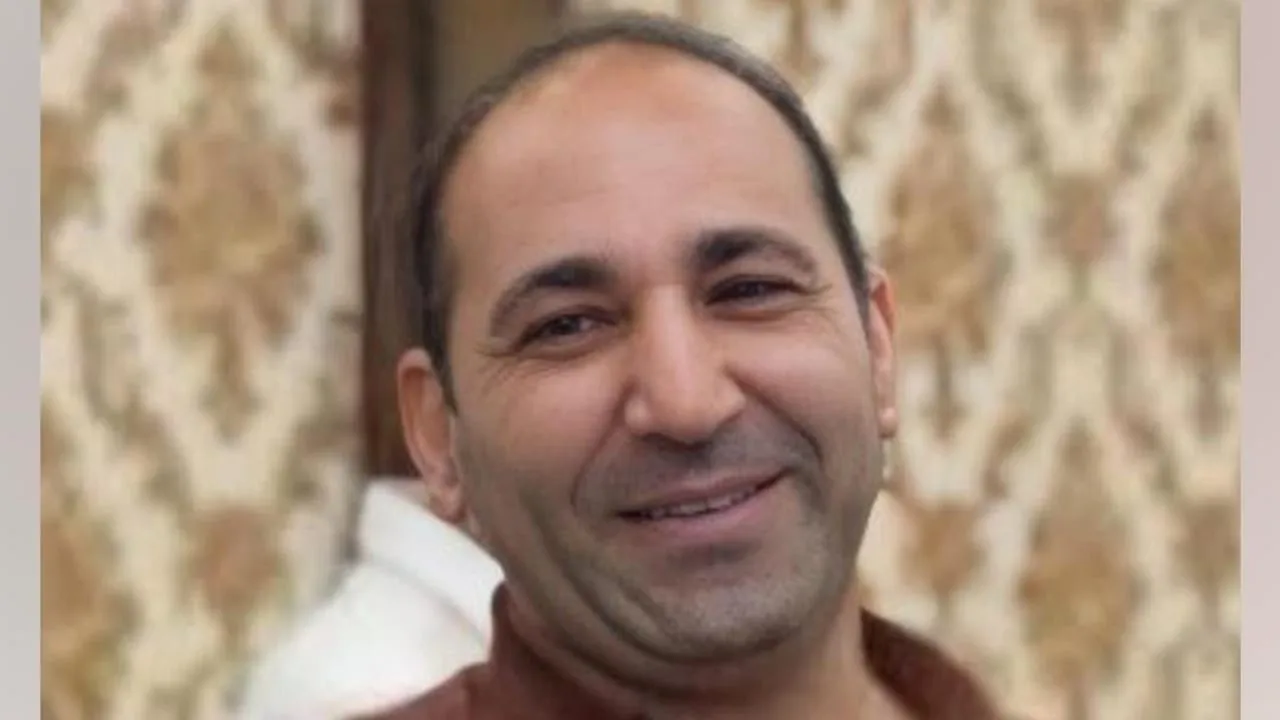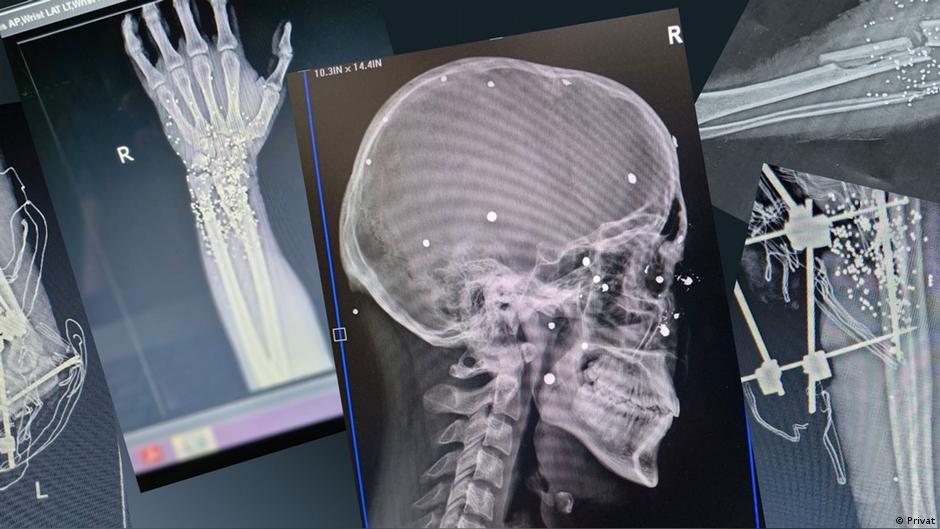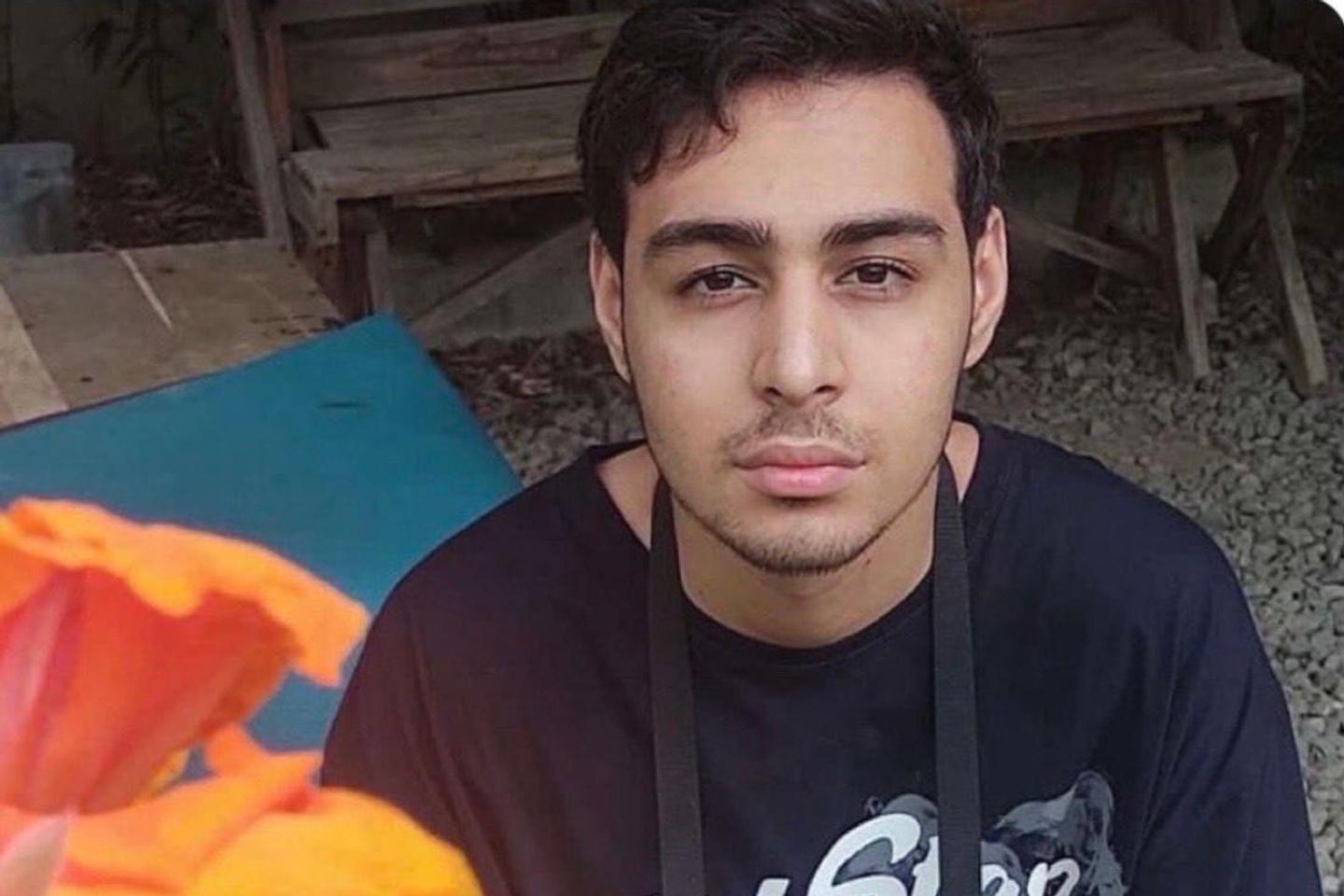
His family and friends are searching everywhere for him. The official list of detainees does not feature his name. He’s not recorded among the victims identified by the Iranian Legal Medicine Organisation, the forensic department under the country’s justice ministry. Morteza Ebrahimi, 35, has been missing since January 8, a black day for many families across Iran, when the crackdown on anti-regime protests reached a brutal, bloody peak. That night, as internet access was cut across the country, the authorities unleashed hell on the streets of some Tehran neighbourhoods. Special units opened fire with military-grade weapons on protesters in the heart of the Iranian capital. Several thousand people were killed. In the days that followed, families set out to search for their missing loved ones. Many converged on the Kahrizak Forensic Medical Centre, a morgue in Tehran’s southern suburbs where dozens of bodies were brought in by refrigerated lorries. But there was no news, no confirmation, no closure for Ebrahimi’s loved ones. The young man had simply disappeared in the black hole of Iranian people missing after they took to the streets in anti-regime protests between December 2025 and January 2026. The difficult task of counting the victims After months of internet blackout – first intermittently during the January protest crackdown and then a near total cut after the US and Israel launched the Iran war on February 28 – Iranians now have a “drip-feed” of internet access. And with it, a backlog of desperate posts is once again flooding the Iranian cyberspace. Read moreReconnected? Iranians say only 'drip-feed' internet has returned after shutdown “With the outbreak of the war on Saturday, February 28, accompanied by widespread internet cutoffs and disruptions, accessing information about the status of detainees and prisoners has become significantly more difficult, further compounding the anxiety of families,” noted IranWire, a collective news site run by professional Iranian journalists in the diaspora and citizen journalists inside Iran. The war broke out just a few weeks after the latest protests, which were initially driven by deteriorating living conditions, before evolving into a widespread movement challenging the regime. The conflict has also disrupted efforts by several Iranian NGOs outside the country to document the scale of the crackdown. In a comprehensive report published in late February, the Virginia-based NGO, Human Rights Activists in Iran (HRAI), recorded 6,488 confirmed and verified deaths of protesters. An additional 11,744 cases remain “under review and are not included in confirmed totals", the report noted. Compiling an accurate death toll remains difficult, as the crackdown that began in January continues to claim new victims several months after the protests. Using the cover of ‘wartime conditions’ On Monday, June 1, Mehrdad Mohammadinia and Ashkan Maleki, two protesters arrested during the January rallies in Tehran, were hanged at dawn. The Iranian judiciary had sentenced them to death for “participating in operational activities against national security” and “collaborating with hostile governments”.
Months after the regime crackdown, Iranians search for missing protesters
The deadly crackdown on the December 2025-January 2026 anti-regime protests saw many Iranians killed, tracked or detained. The US-Israel war on Iran has intensified the repression, but it has not stopped…
1,200 words~5 min read