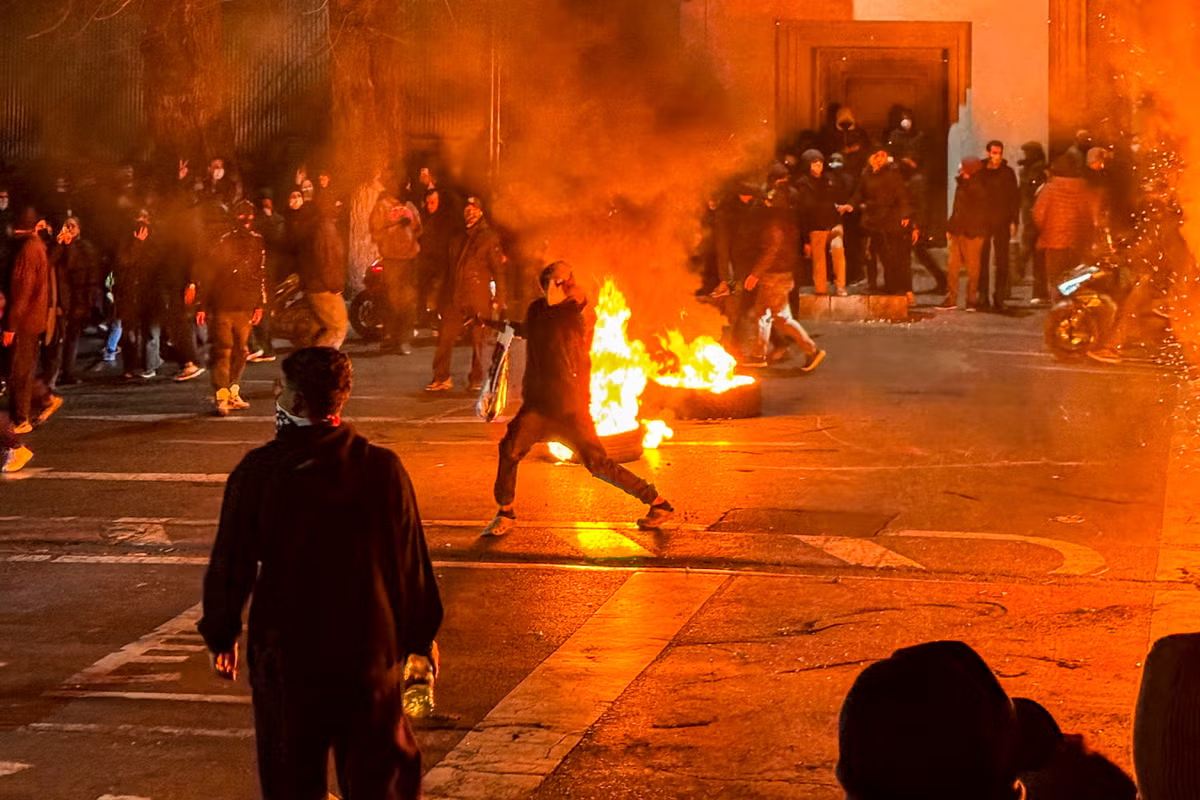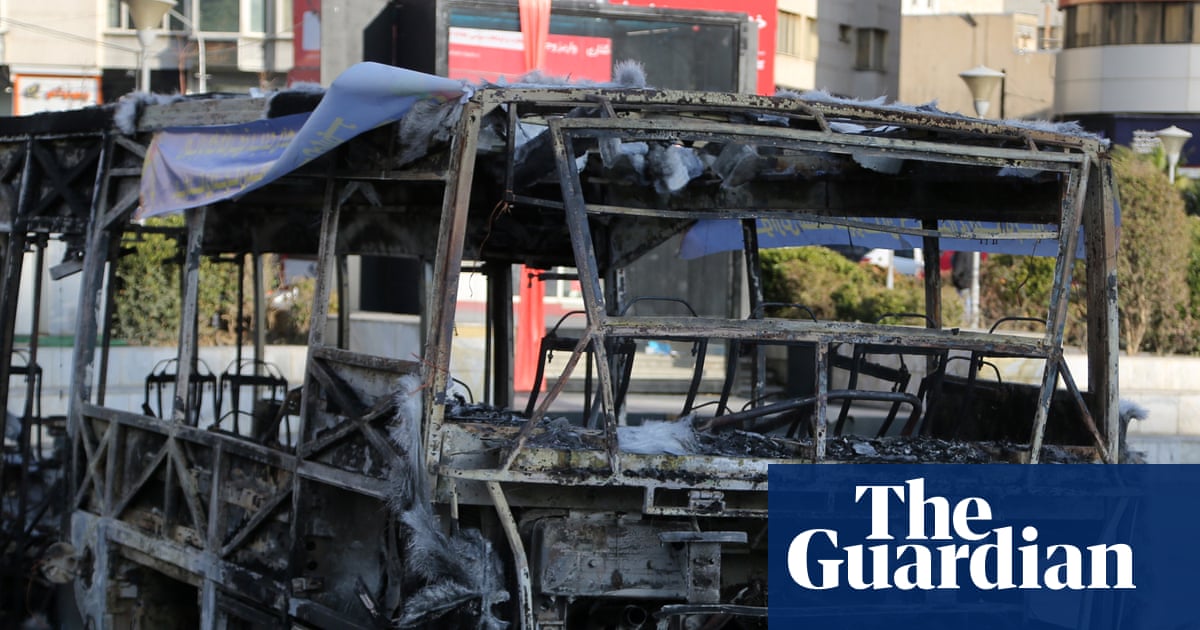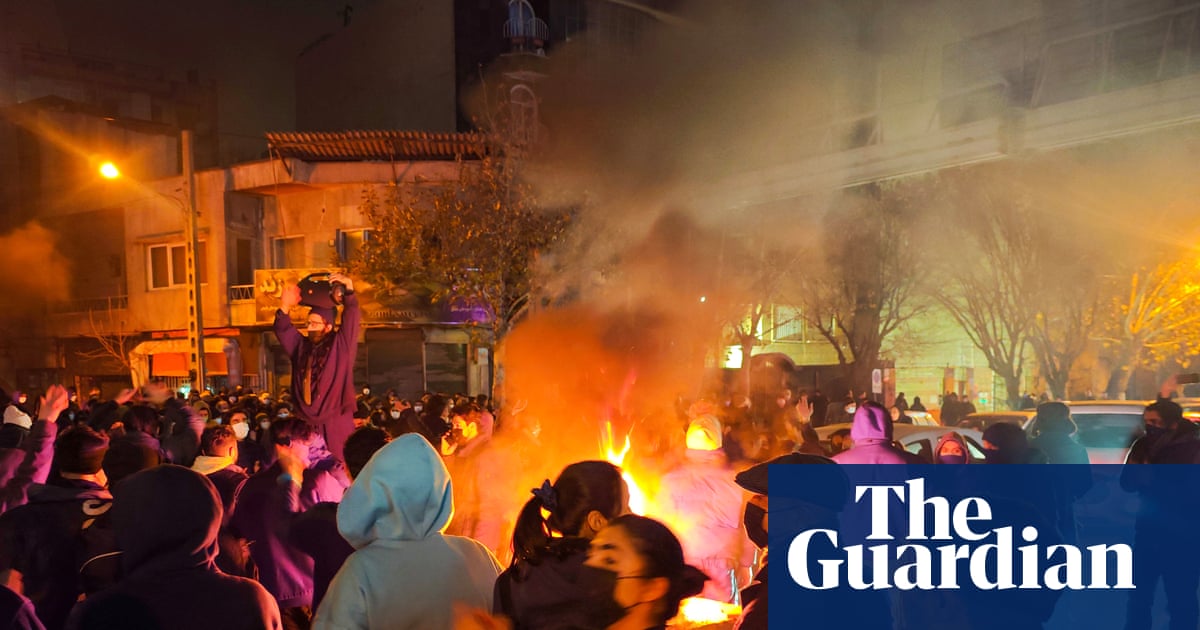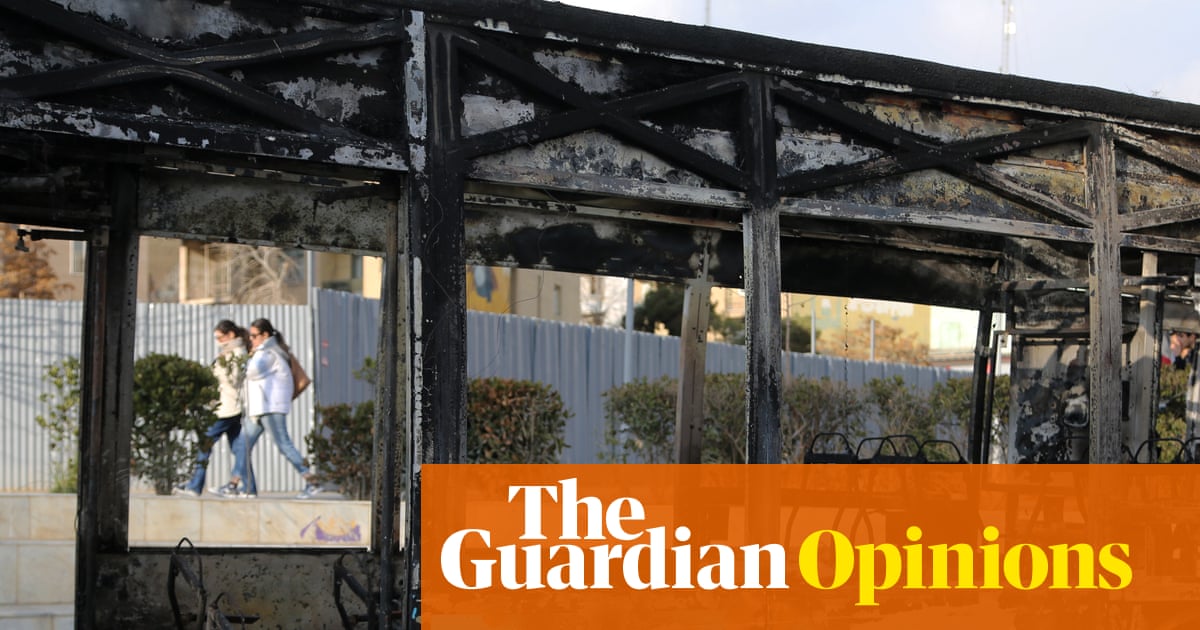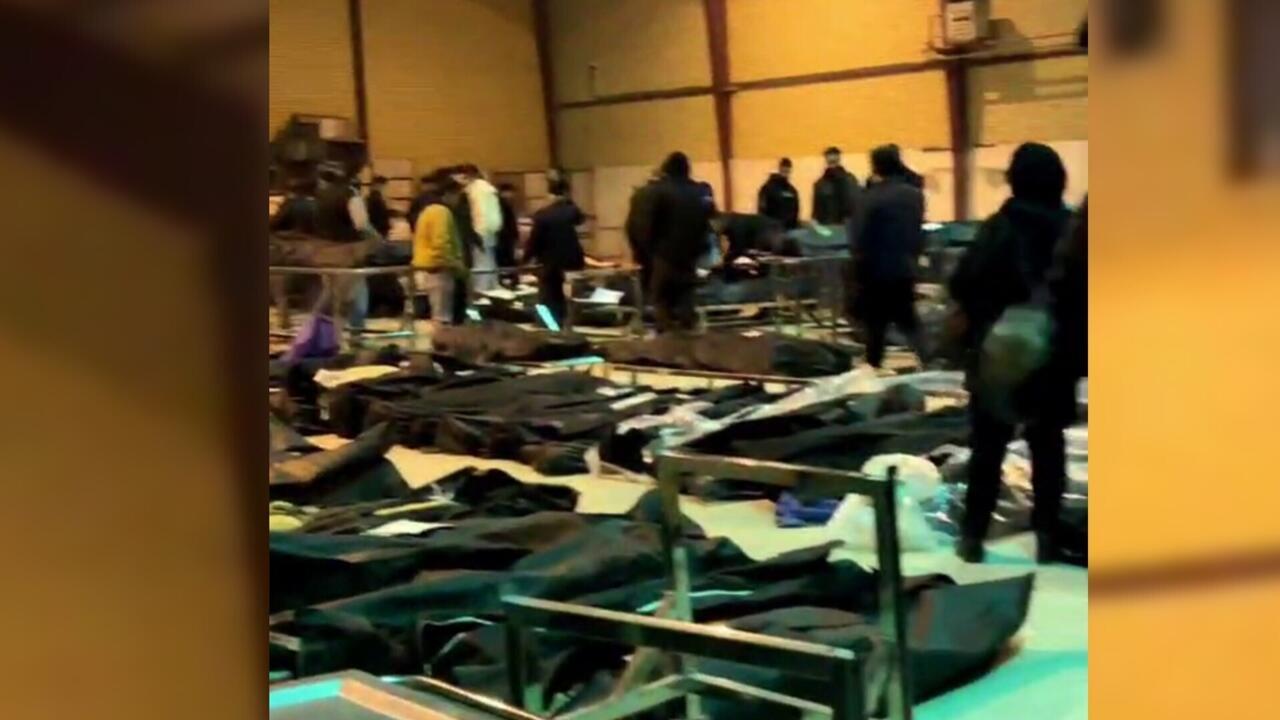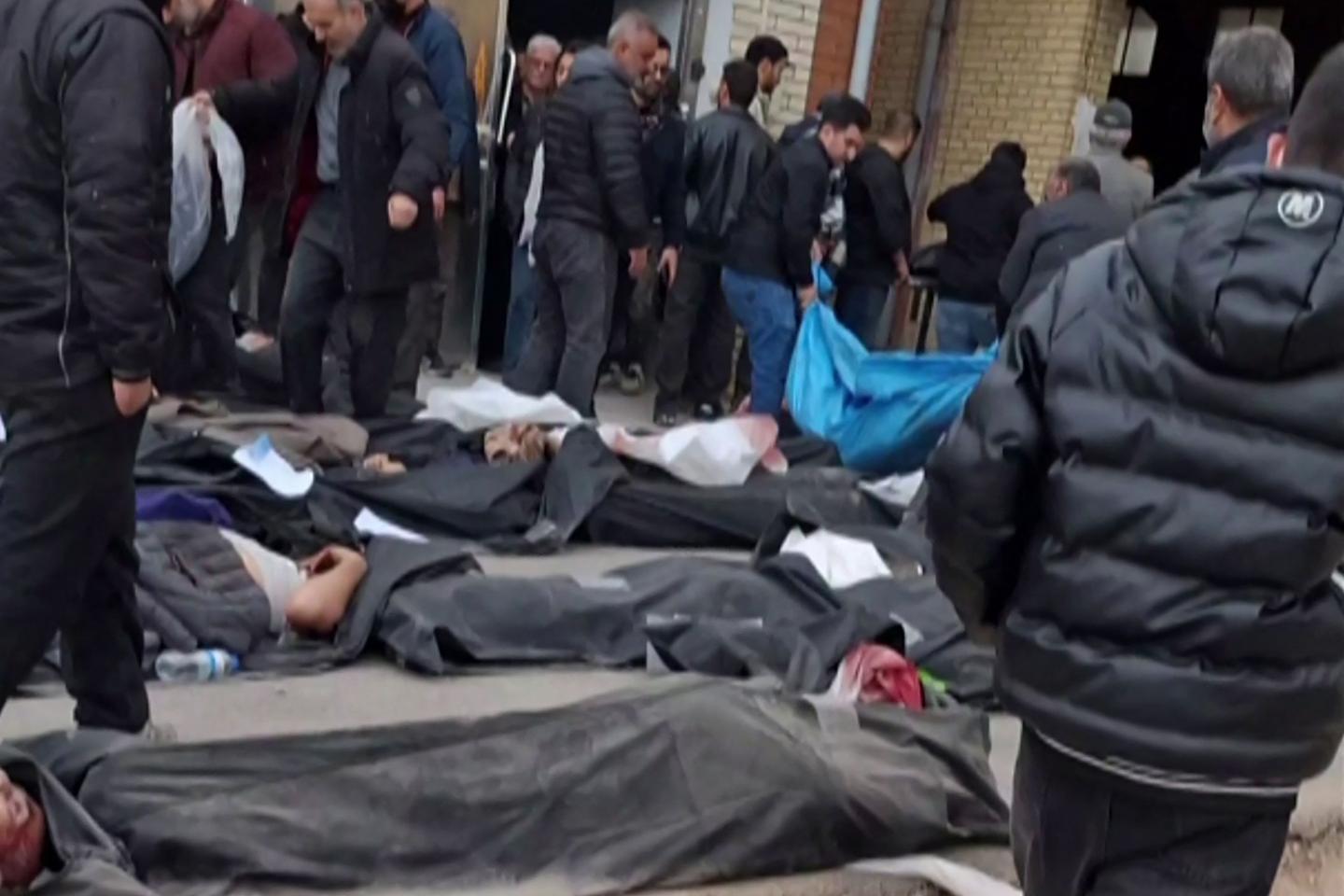
Footage from images circulating on social media shows bodies laid on the floor of the Kahrizak forensic center in Iran. The images began circulating on January 13, 2026. AFP
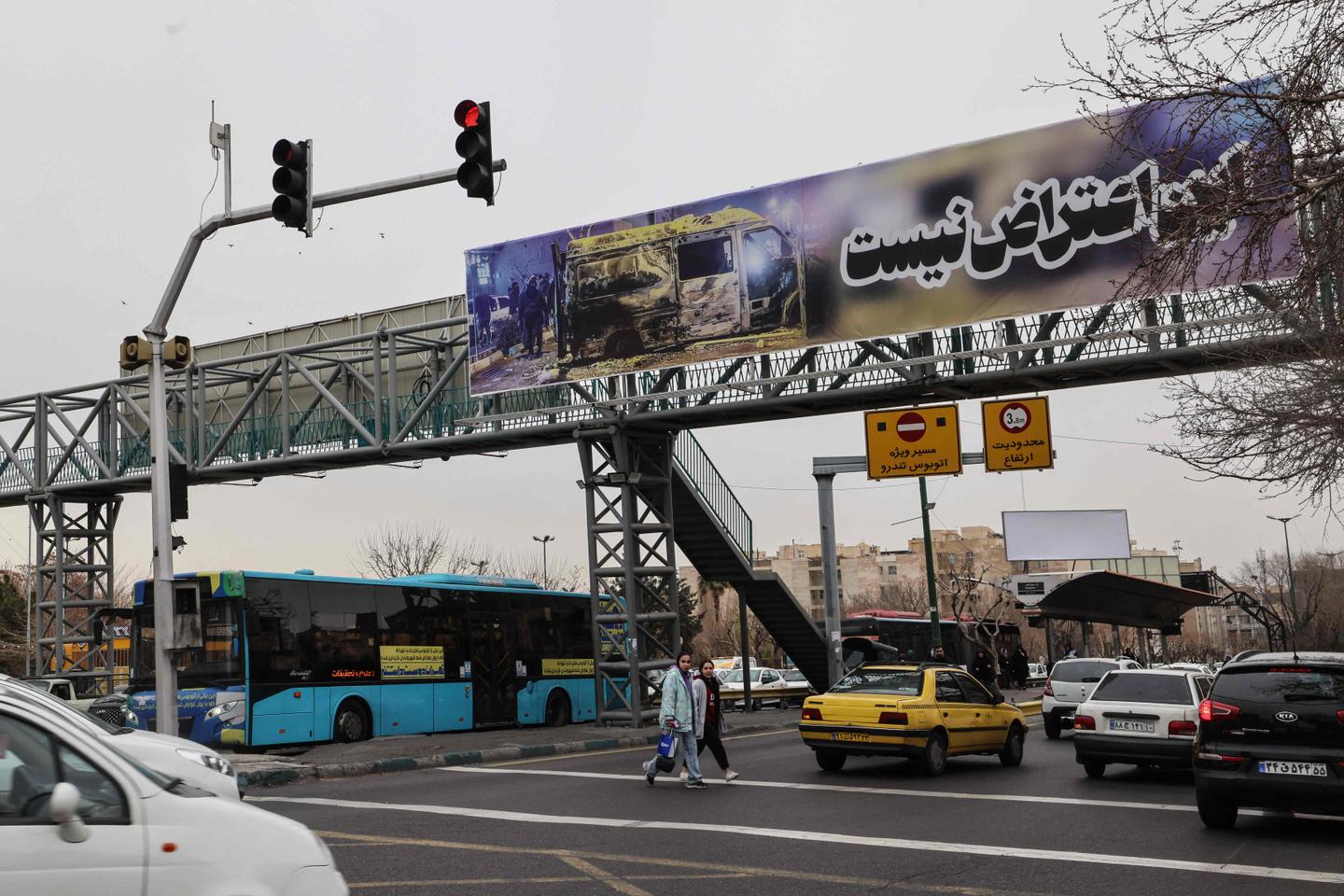
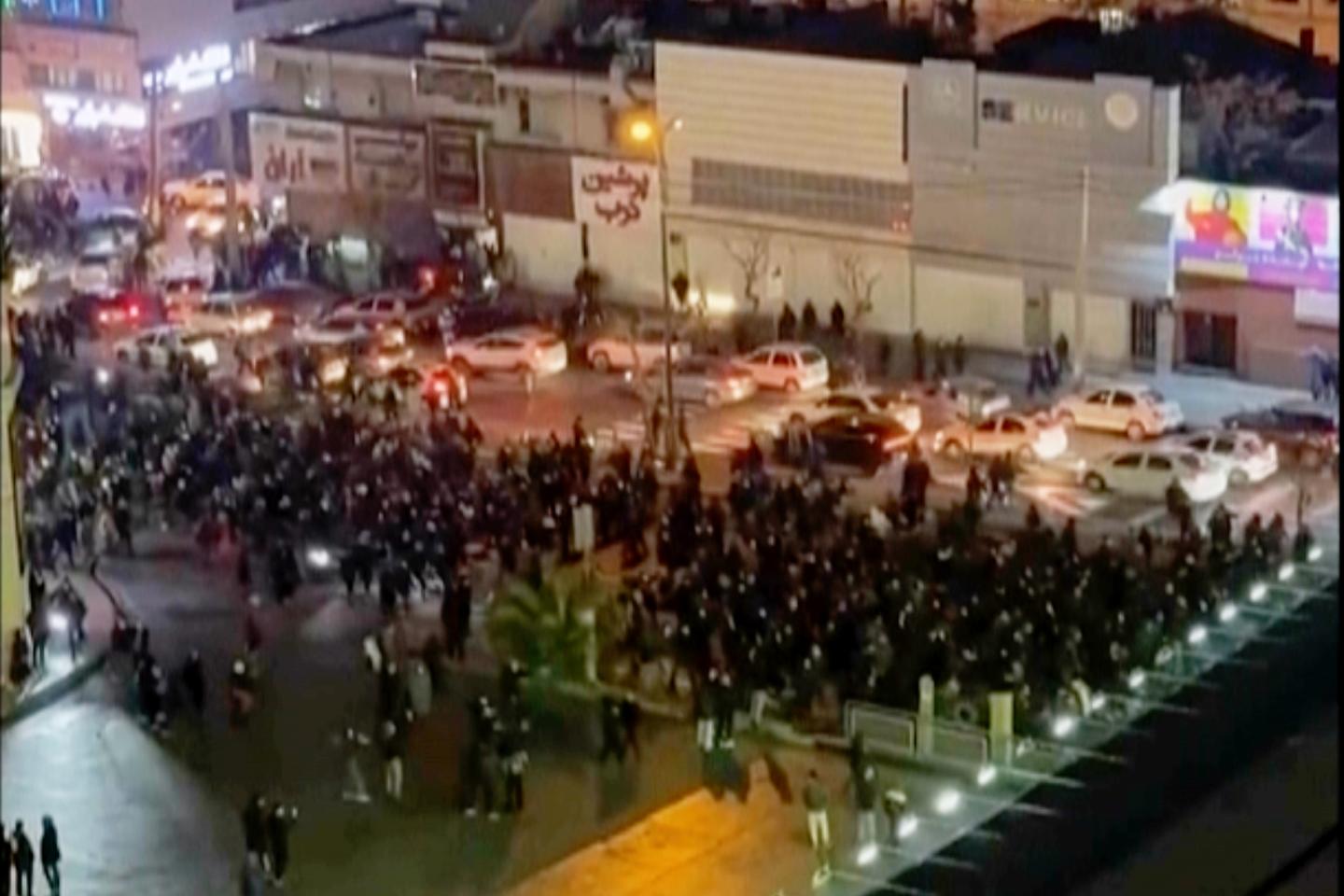
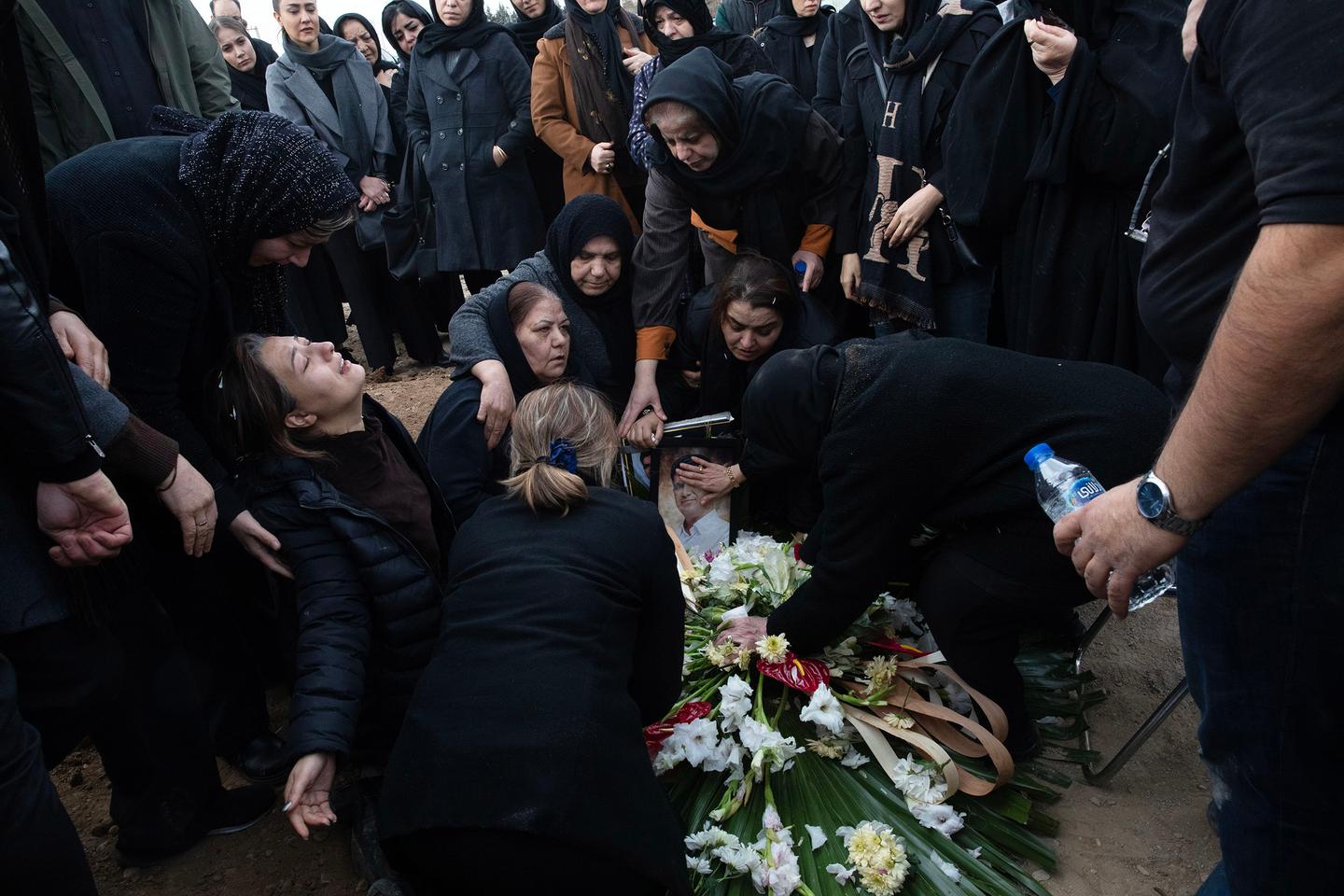
In the aftermath of the 12-day war that pitted Iran against Israel and then the US in June 2025, the Iranian regime surprised observers by finally and openly easing pressure on the issue of compulsory hijab and pulling its morality police off the streets. The unexpected shift was striking, given that the hijab is one of the system's ideological cornerstones and among its most visible instruments of social control. Yet today, the world is witnessing with shock an unprecedentedly violent crackdown by Tehran against protesters. What actually happened to explain the abrupt hardening of the regime's stance? According to the non-governmental organization Human Rights Activists News Agency, at least 2,677 people have been killed, and 1,693 cases are still under review. The toll, likely underestimated, already far exceeds that of previous waves of protest in Iran.
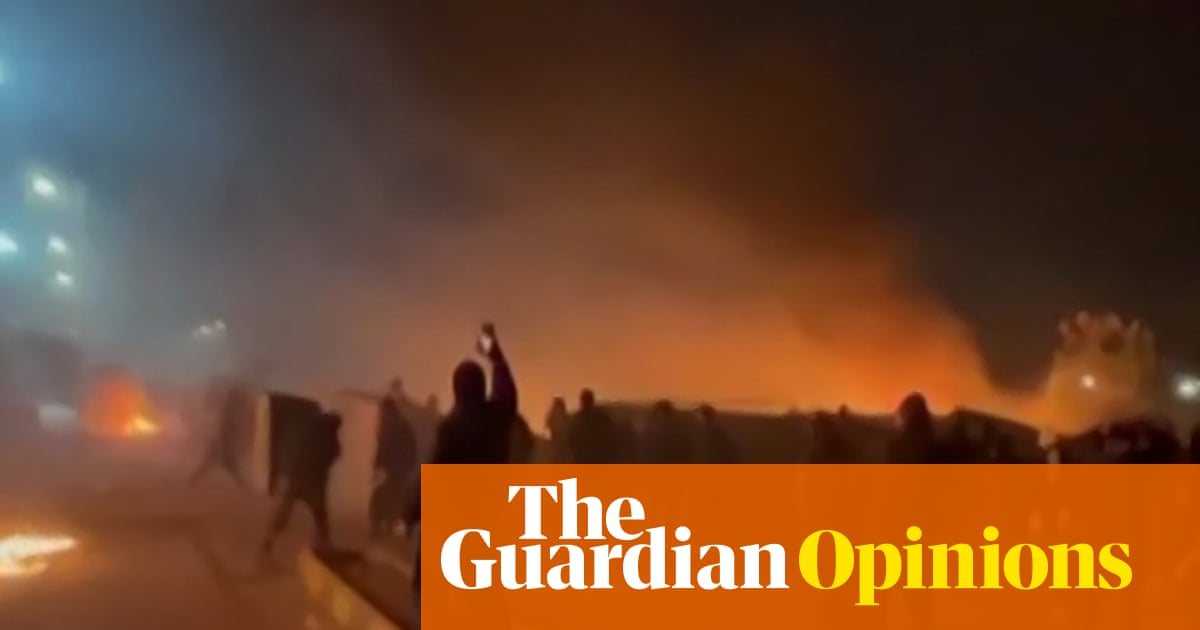
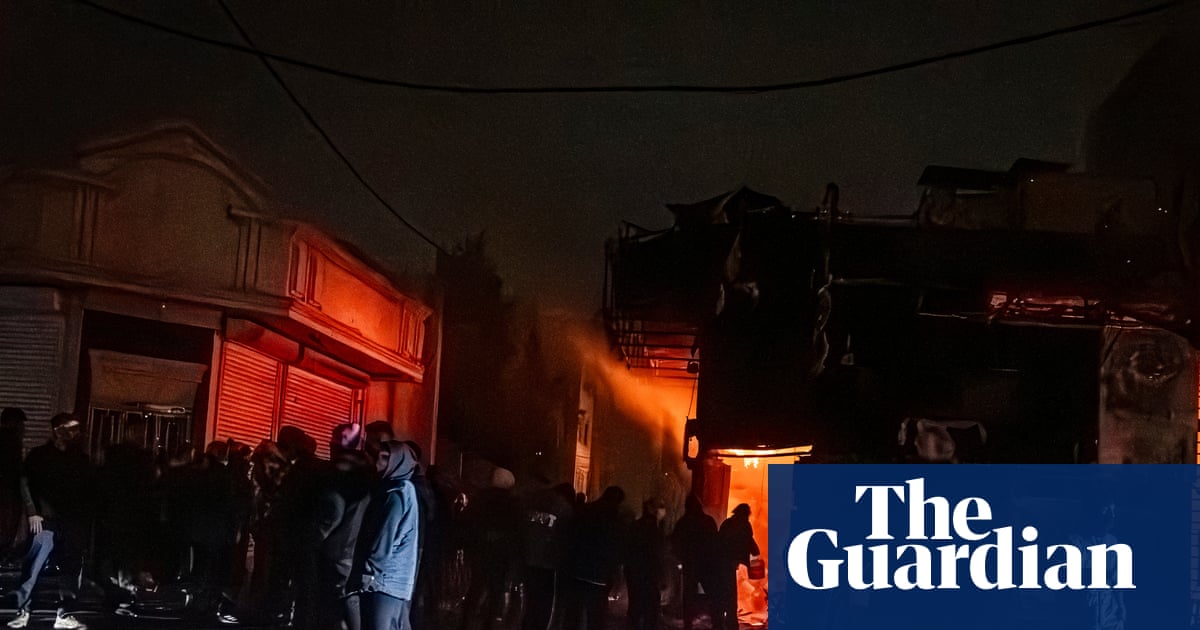
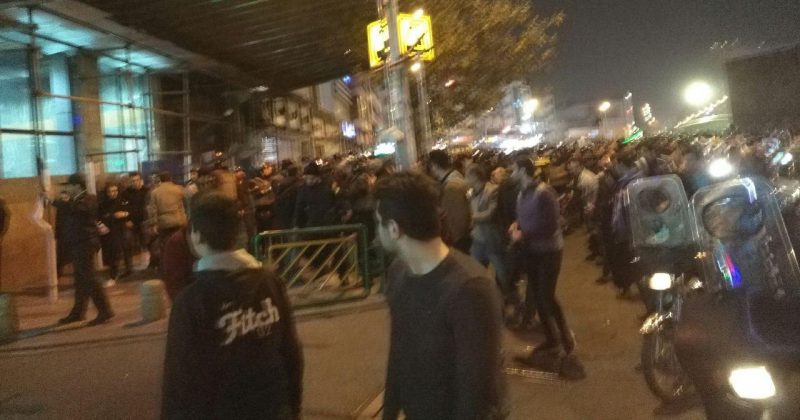
On December 28, 2025, merchants from Tehran's Grand Bazaar and currency traders, outraged by the sharp collapse of the national currency, closed their shops, went on strike and called on shopkeepers across the country to do the same. Other sectors quickly joined them, such as transport workers, followed by students. A little more than two years after the Woman, Life, Freedom uprising that erupted following the death of Mahsa Amini, who died after being arrested by the morality police for an appearance deemed "not Islamic enough," the authorities were once again being challenged. This time, the most disadvantaged and impoverished segments of society joined the movement, which spread throughout the country.