P
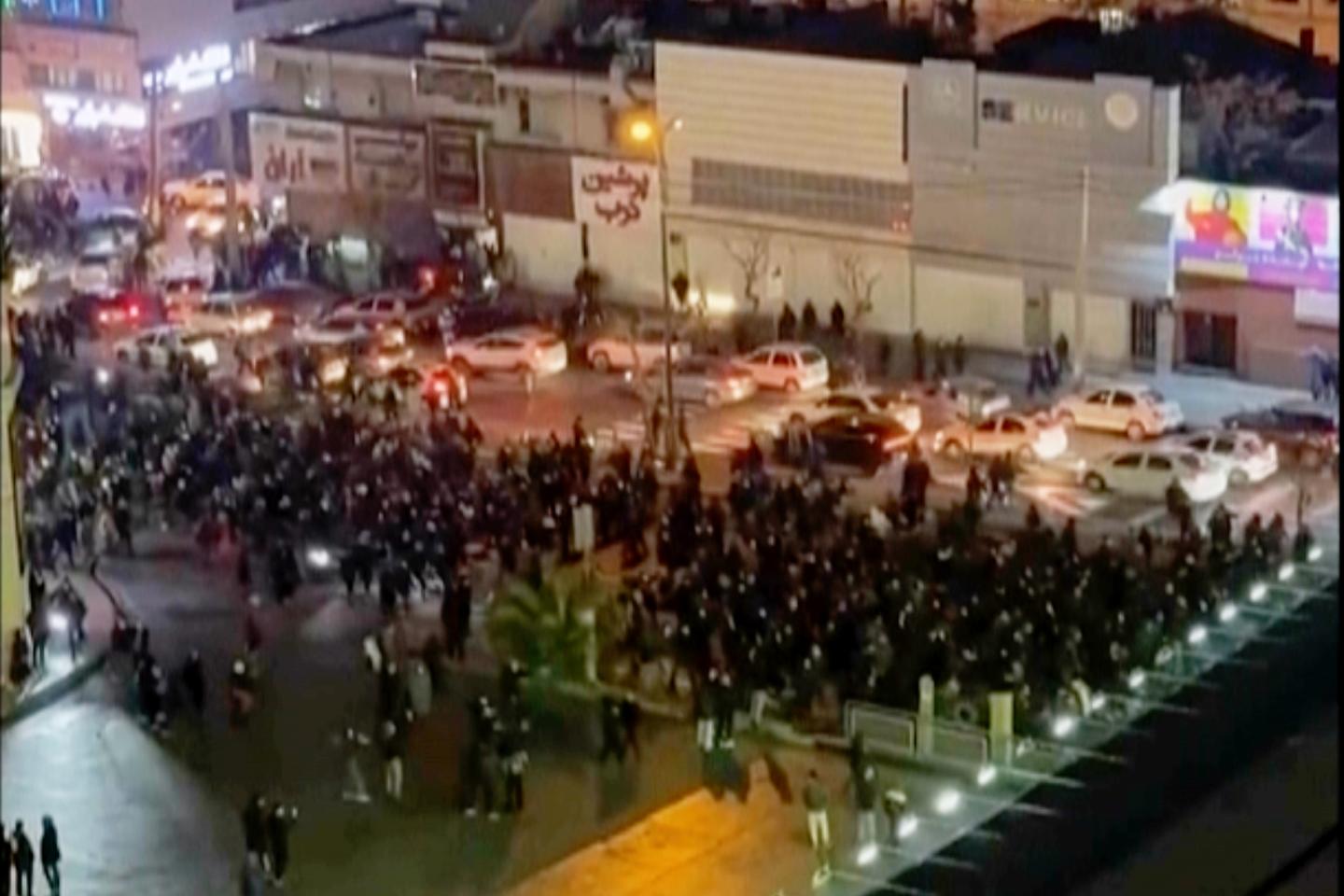
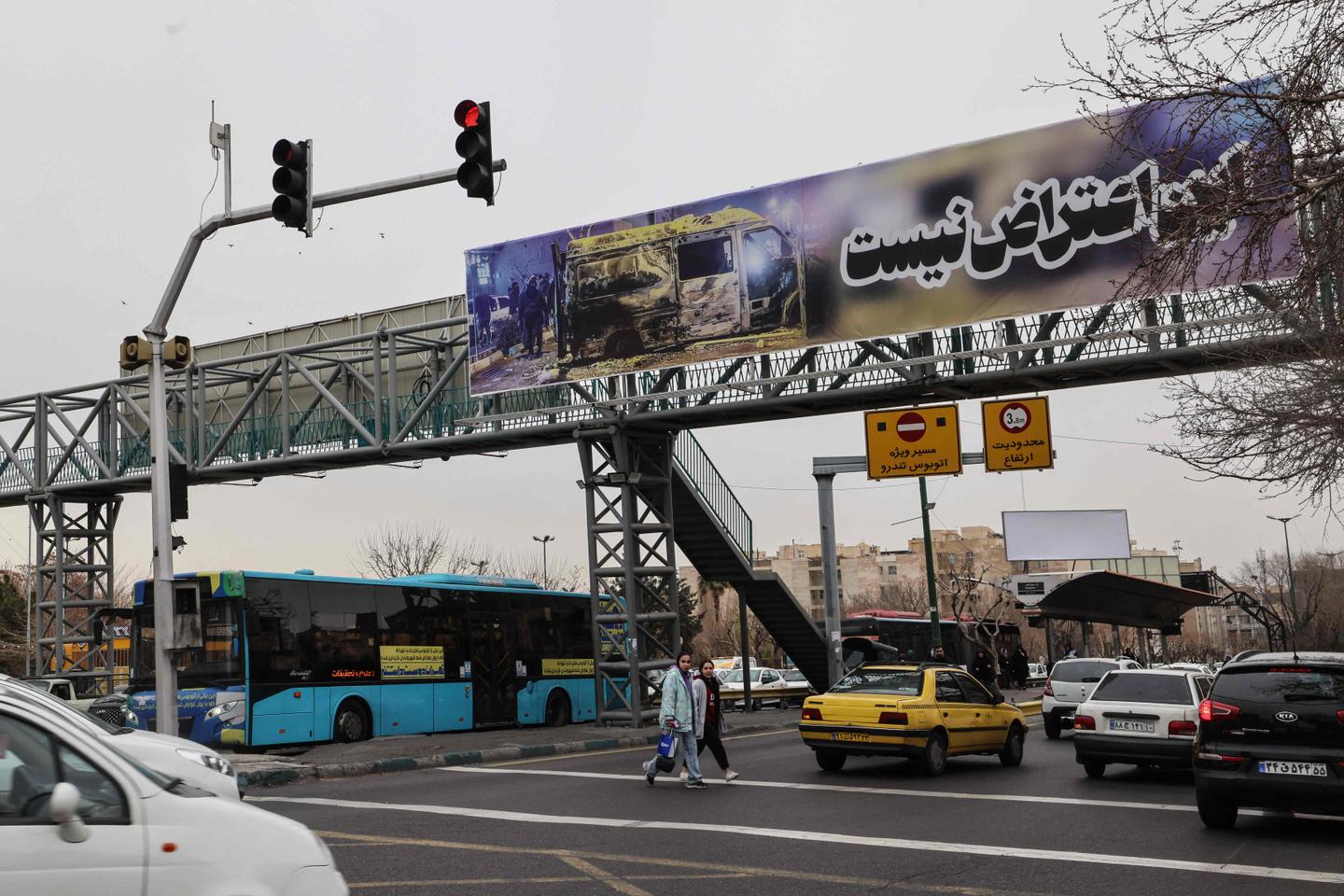
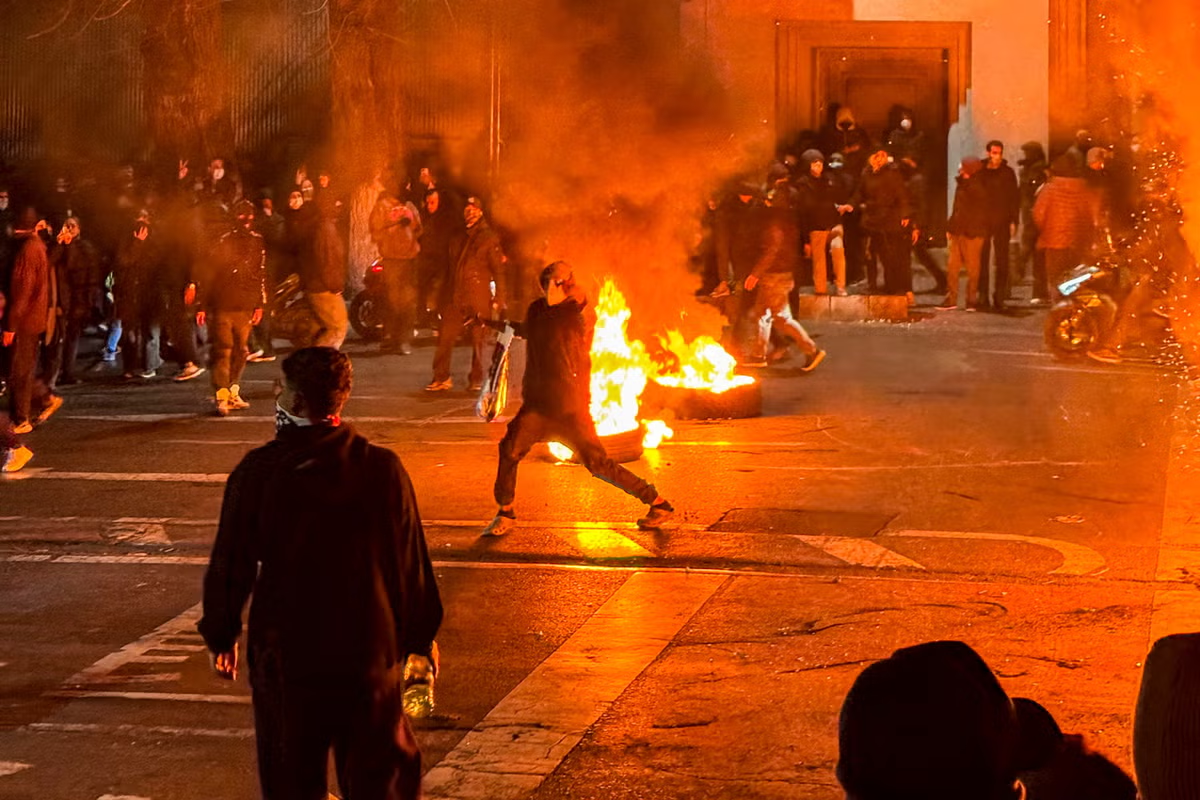
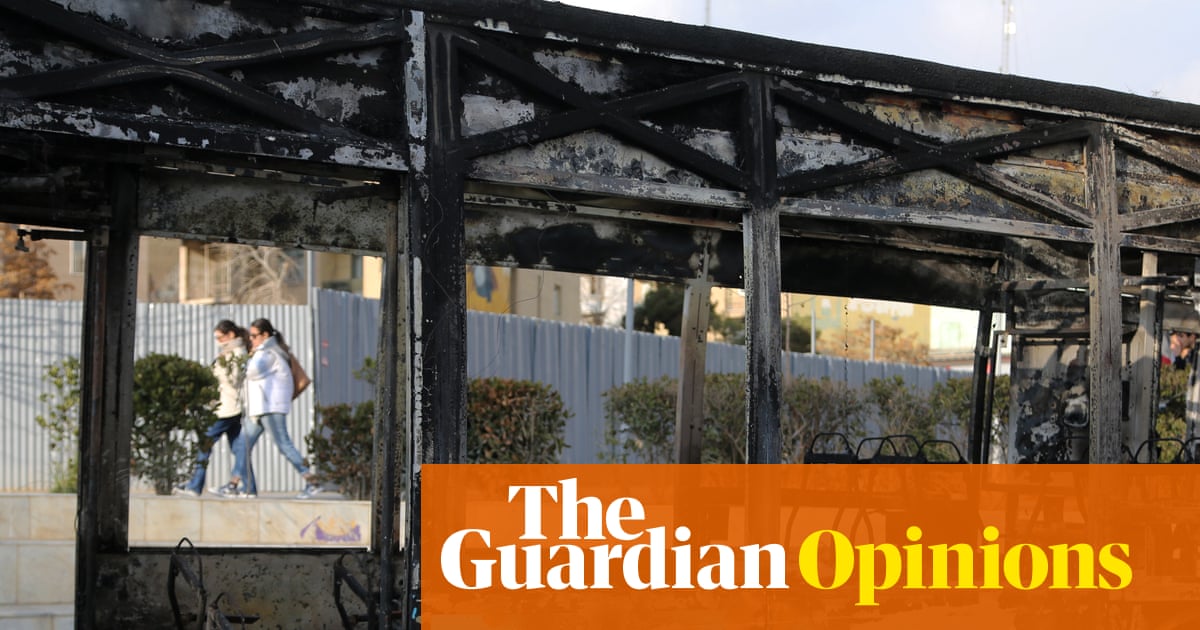
iece by piece, the overall picture of how Iran's latest popular uprising was crushed by the regime, which claims to represent the people it represses, has come together. It is a horrifying sight. A genuine war machine was deployed to break the protest movement, which was sparked by Iranians' worsening living conditions, with a cruelty documented by numerous witnesses despite the information blackout the authorities imposed.
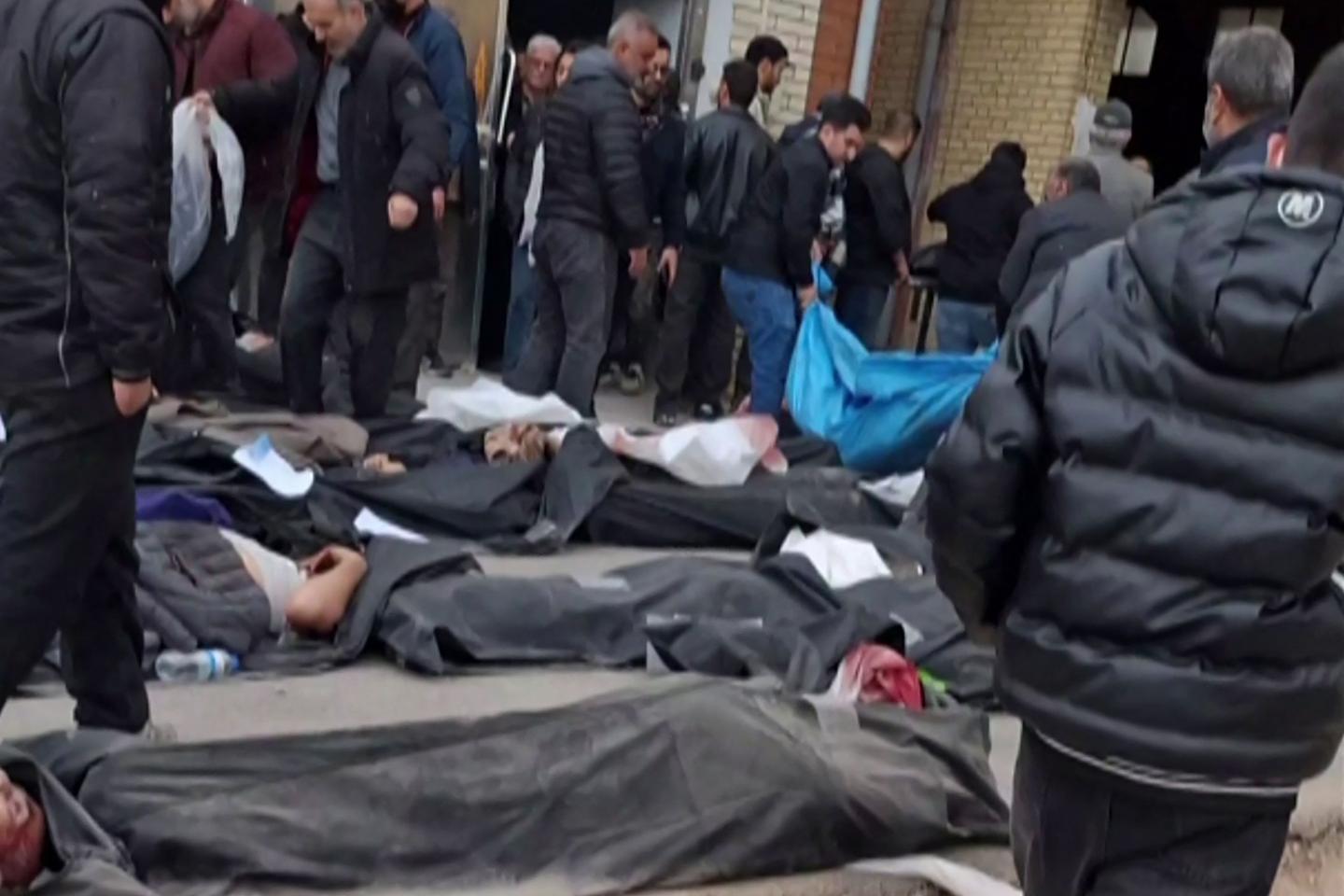
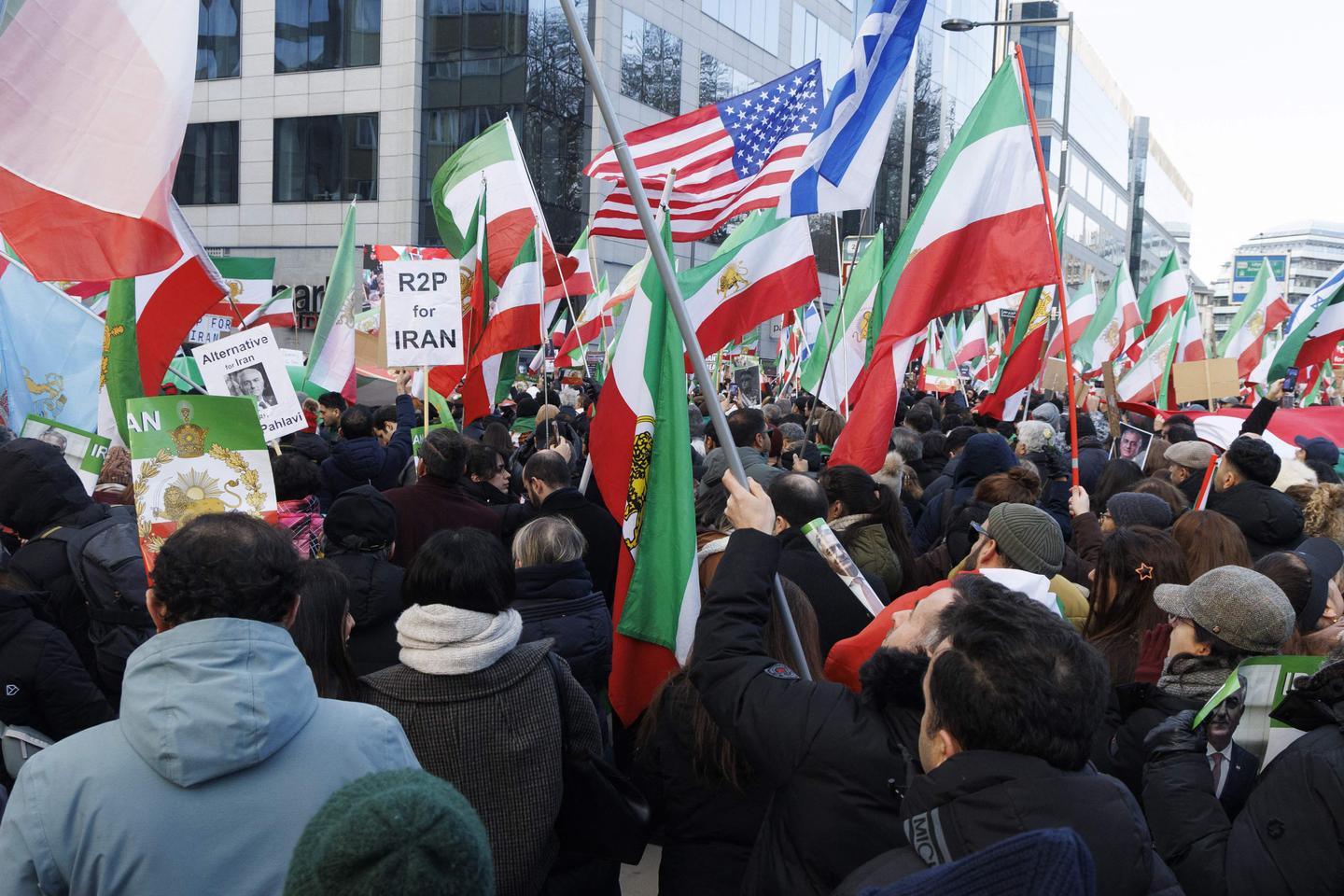
It will take more time before a complete estimate of the number of victims who died on January 8 and 9, methodically killed in cold blood over just 48 hours, becomes available. The numbers that have been shared are already unprecedented, even for a regime known for swiftly doling out harsh punishment. The outburst of violence came almost 47 years to the day since the fall of the once-detested Pahlavi dynasty. Together with the deployment of elite Islamic Revolutionary Guard Corps units, it demonstrated that the regime's sole priority was clinging to its power and privileges, no matter the cost.
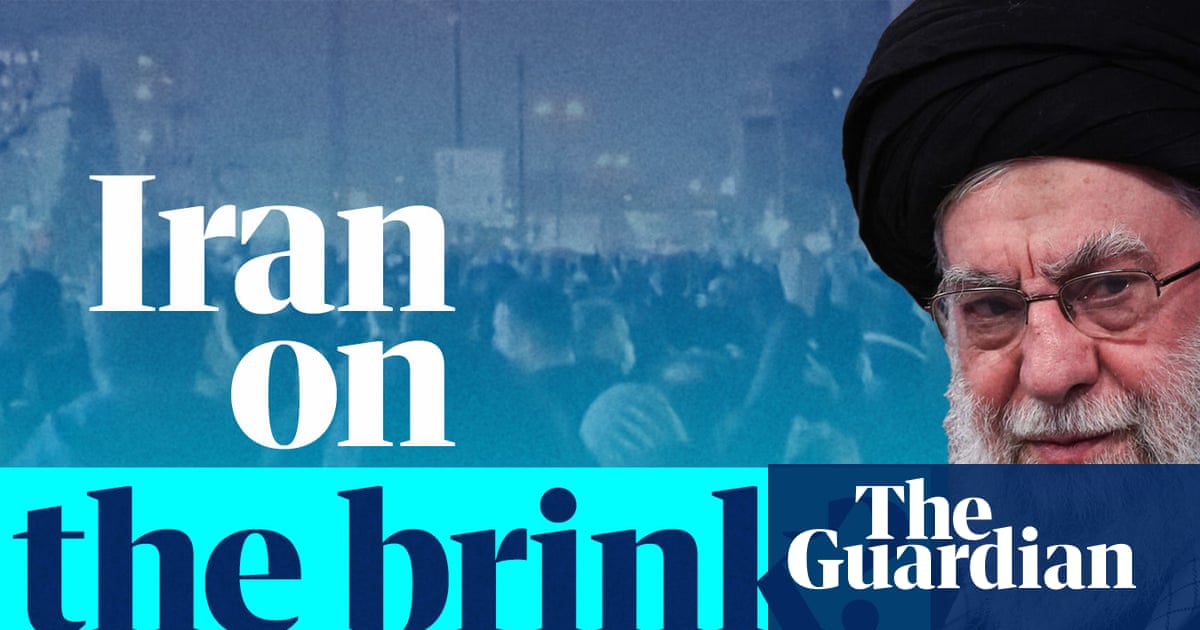
The contempt that Supreme Leader Ali Khamenei has shown for Iranians' fates explains the profound rift that now divides them: A rift that the unprecedented repression unleashed in recent weeks has made irreparable. Such intransigence must be taken into account by those who hope the regime will fall, now that it has been stripped of its last vestiges of legitimacy. Built on a military theocratic foundation, the regime has proven capable of doing anything to survive, despite a catastrophic track record both inside and outside of Iran's borders.