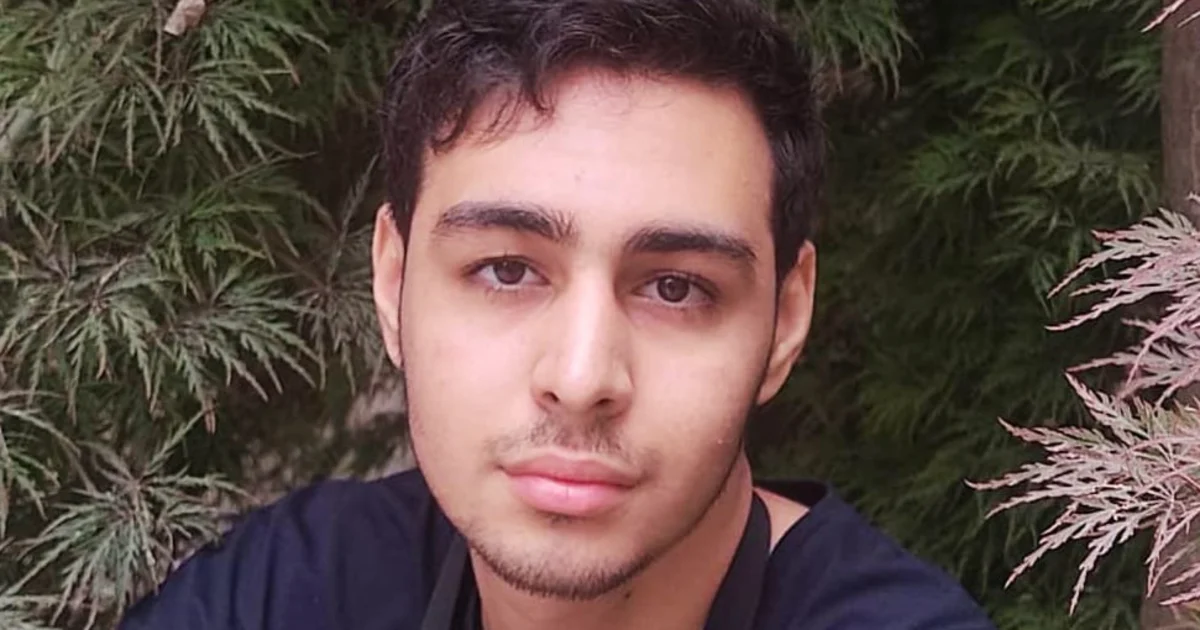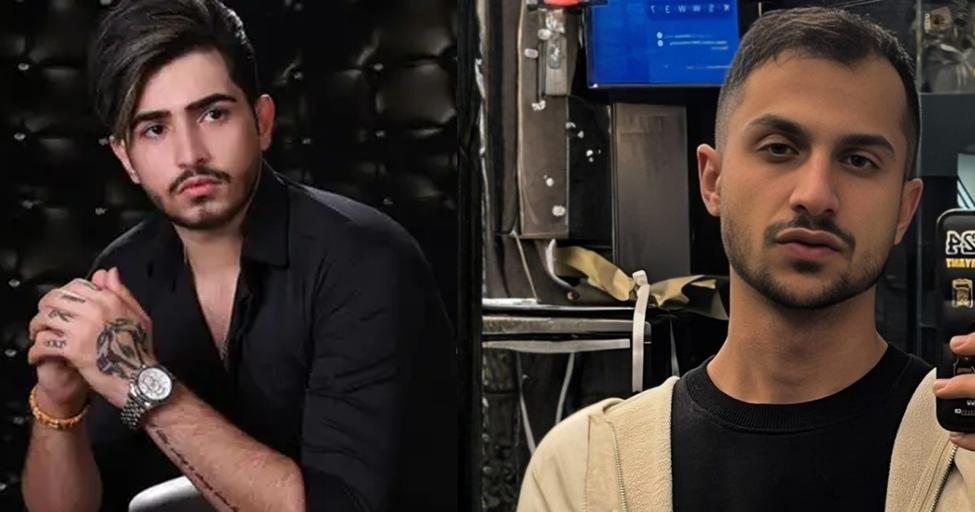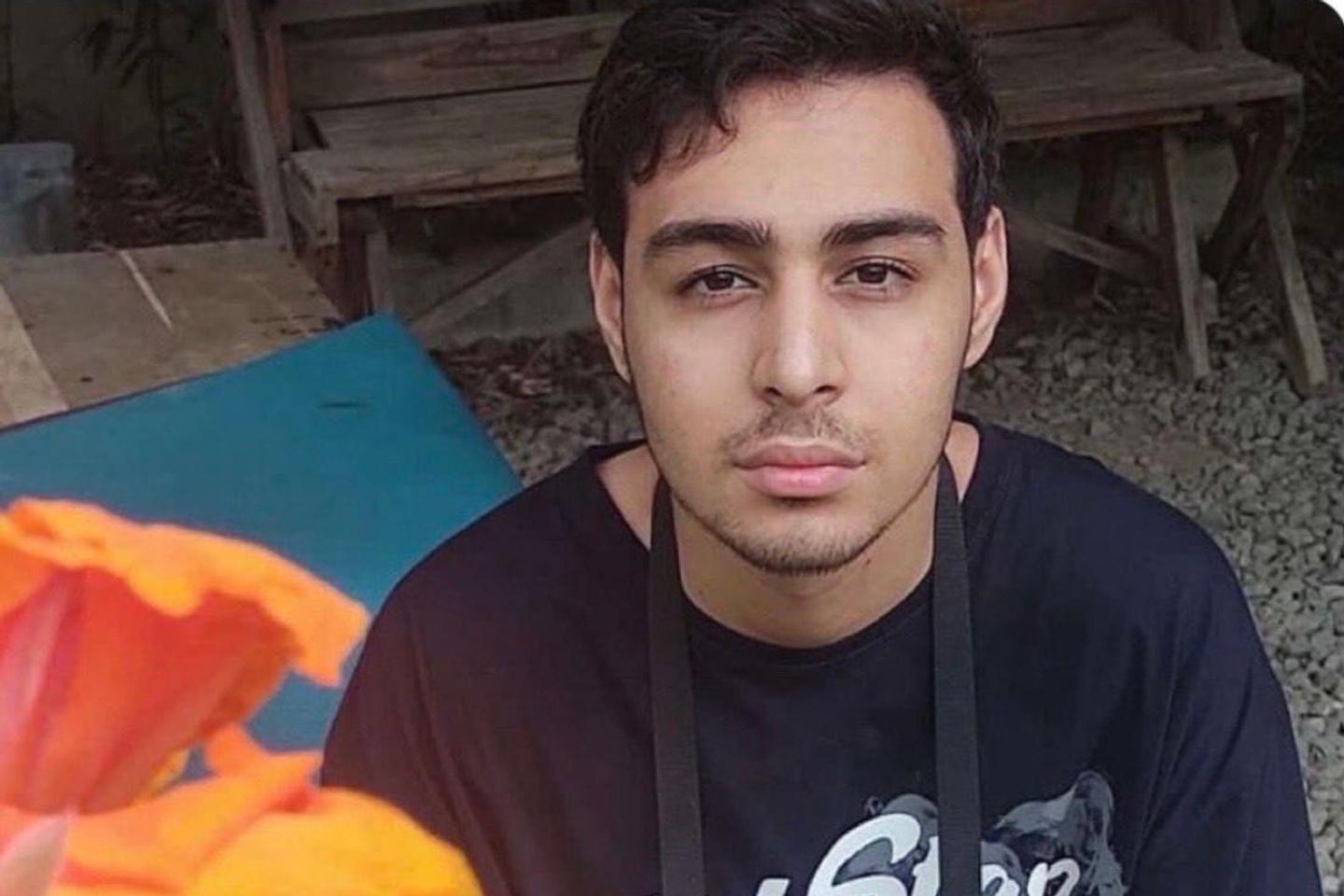
Mohammad-Amin Biglari, a 19-year-old hair salon employee in Tehran, is one of the young Iranians sentenced to death. PRIVATE COLLECTION
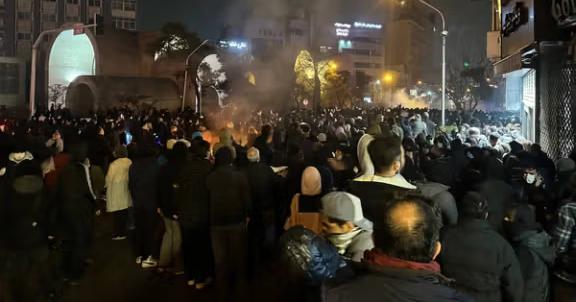
For three weeks, the father of Mohammad-Amin Biglari, 19, went to the Kahrizak morgue in the south of Tehran, as well as several of the capital city's hospitals, to search for his son's body among thousands of other corpses – to no avail. The young man, a Tehran hair salon worker, had disappeared overnight on January 8, the date when a new wave of protest swelled across Iran. Eventually, some former detainees, who had recently been released from Ghezel Hesar prison (located 40 kilometers west of Tehran), informed Biglari's family that the young man had been incarcerated.
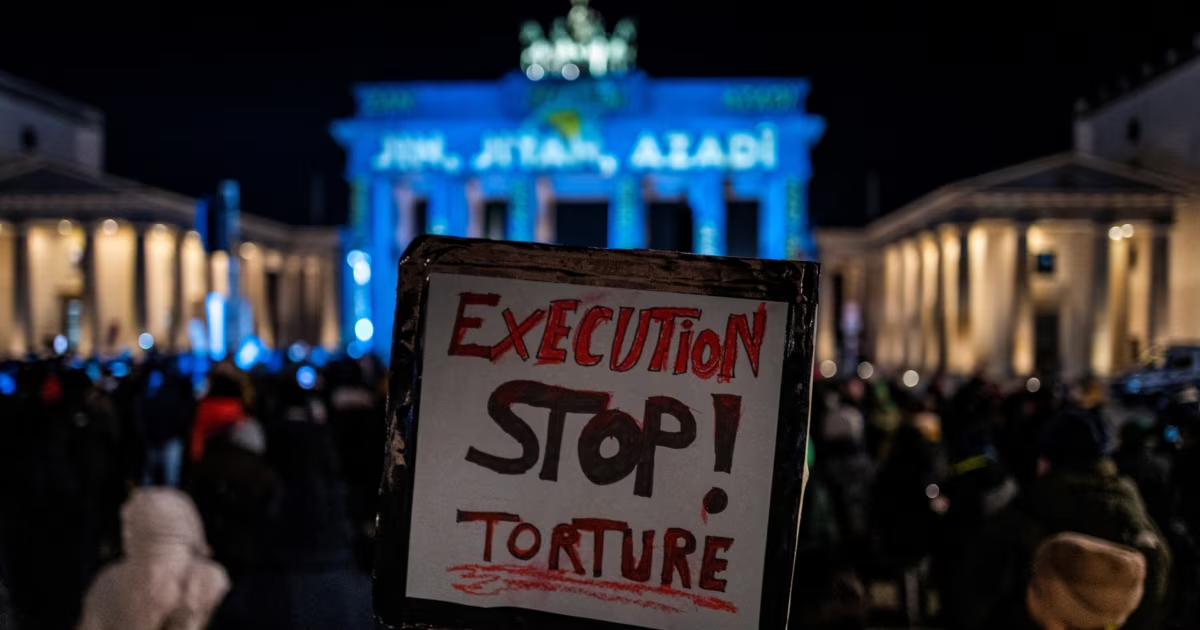
On February 8, Biglari, together with six other young Iranians prosecuted in the same case, were given death sentences by Judge Abolqasem Salavati, known for his harshness toward political prisoners. The non-governmental organization Amnesty International, meanwhile, warned that at least 30 Iranian protestors, including several minors, risked execution.
"This is unprecedented, so many death sentences. The authorities are letting loose. The aim is to terrorize people," said a source familiar with the Iranian justice system. "As long as the threat of an American attack hangs over the country, the execution machine will not be fully set in motion. If the regime stabilizes and this pressure disappears, many [prisoners] will be hanged," he added. US President Donald Trump has deployed significant military forces near Iran and is threatening the regime with intervention if the current negotiations between the two countries were to fall through.