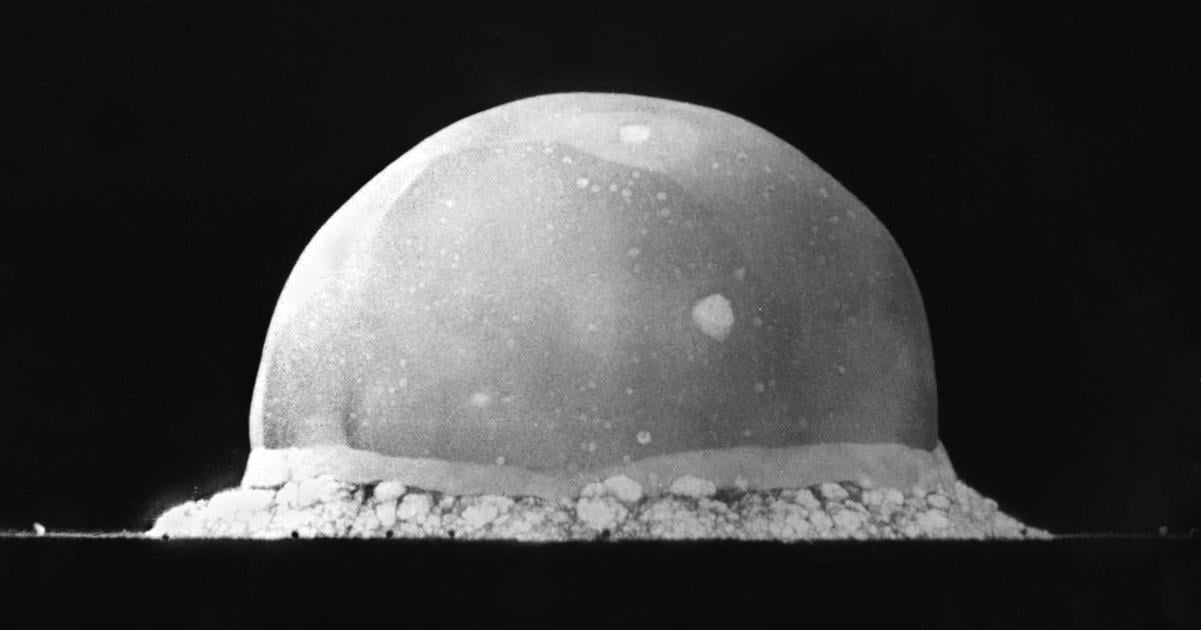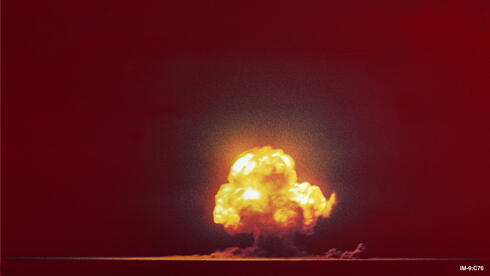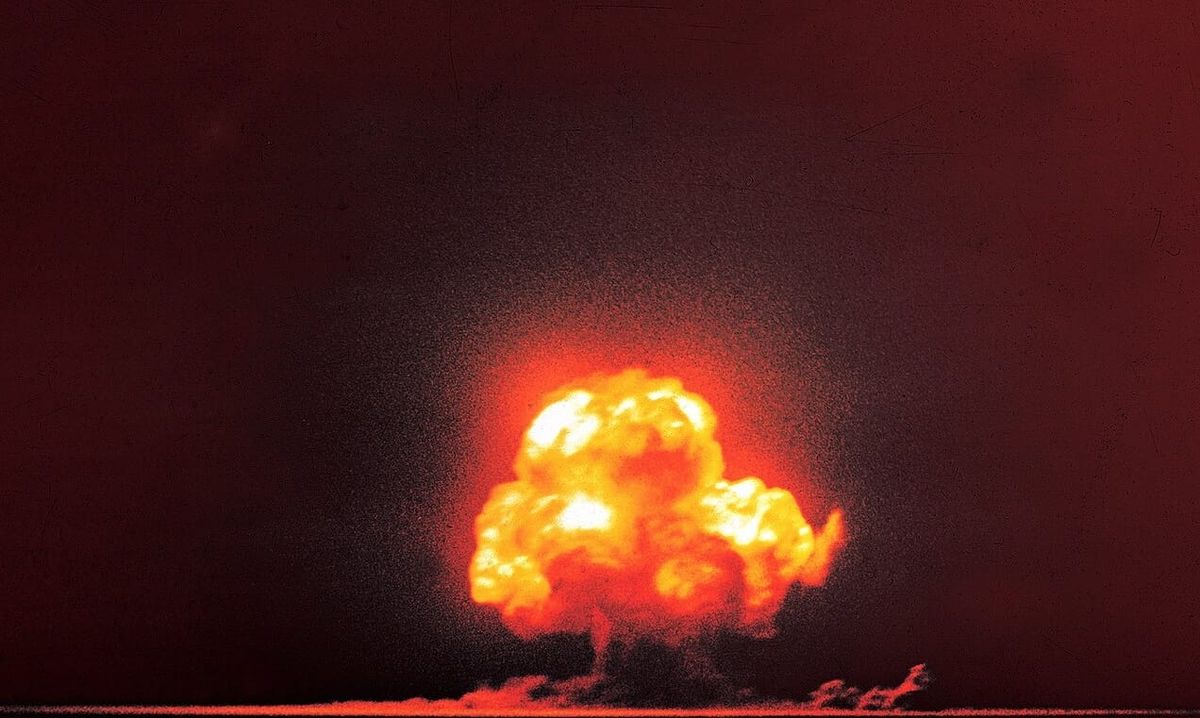
When a nuclear weapon detonates or a serious reactor accident occurs, an immense burst of energy is released in less than a millionth of a second. The extreme heat instantly vaporizes nearby air and materials, creating a brilliant, expanding cloud of gas and plasma. As this nuclear fireball grows, it mixes with the surrounding atmosphere, cools, and eventually condenses into tiny solid particles that become nuclear fallout.
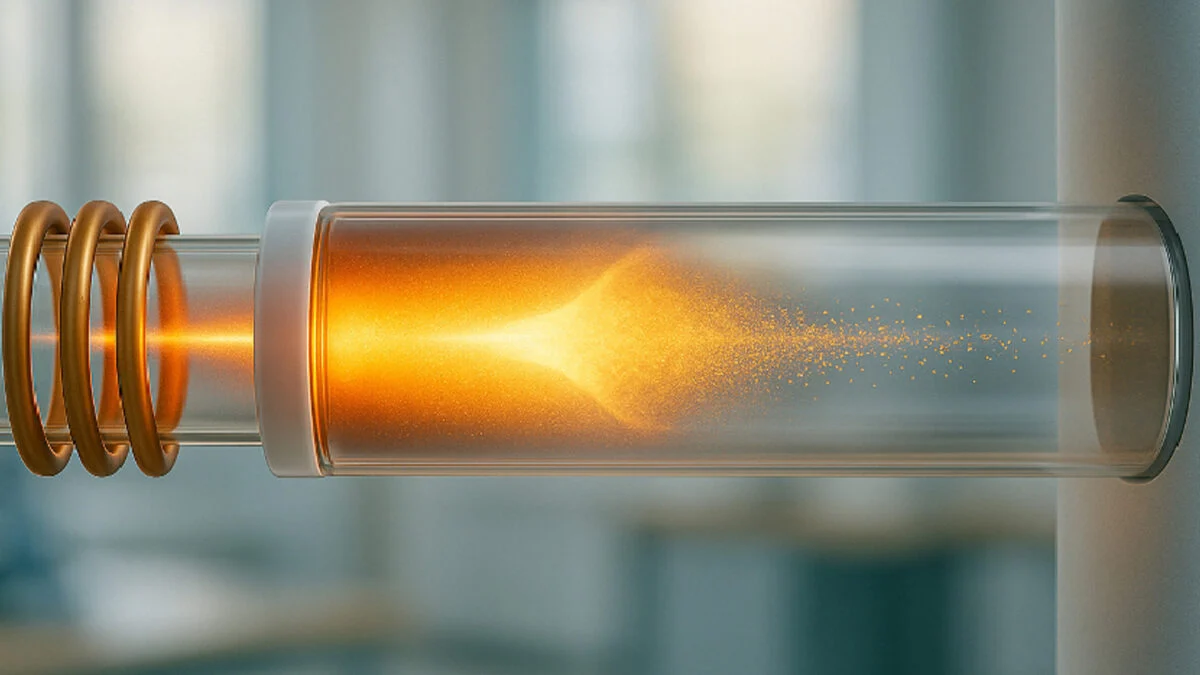
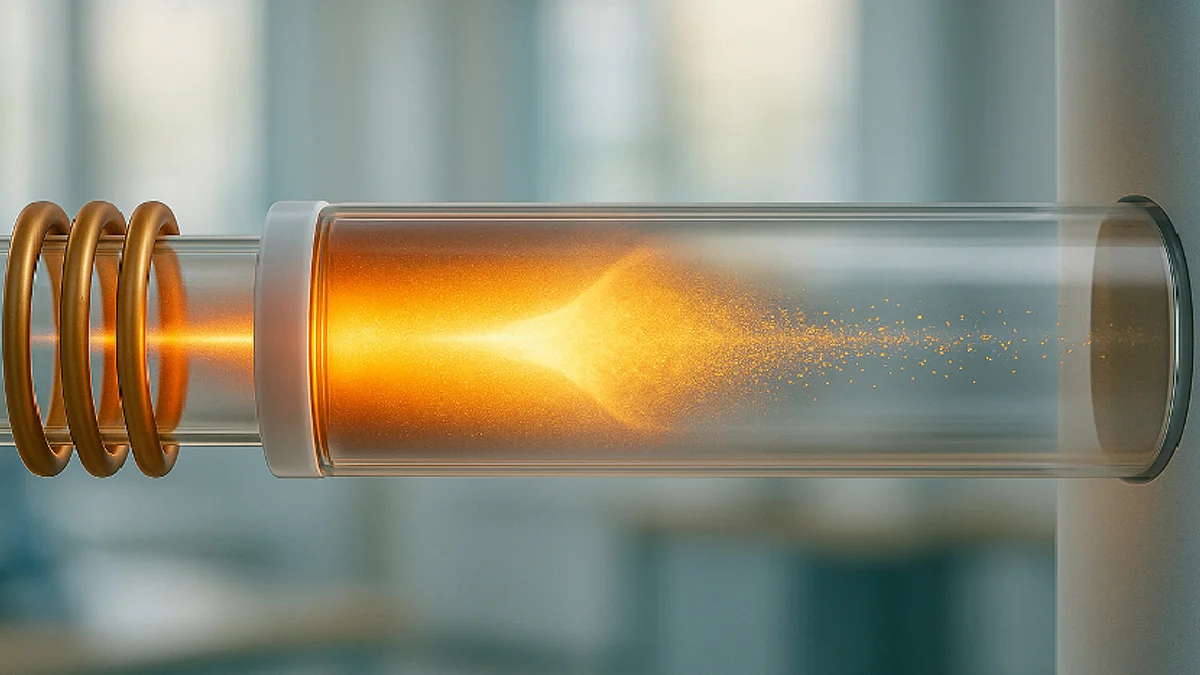
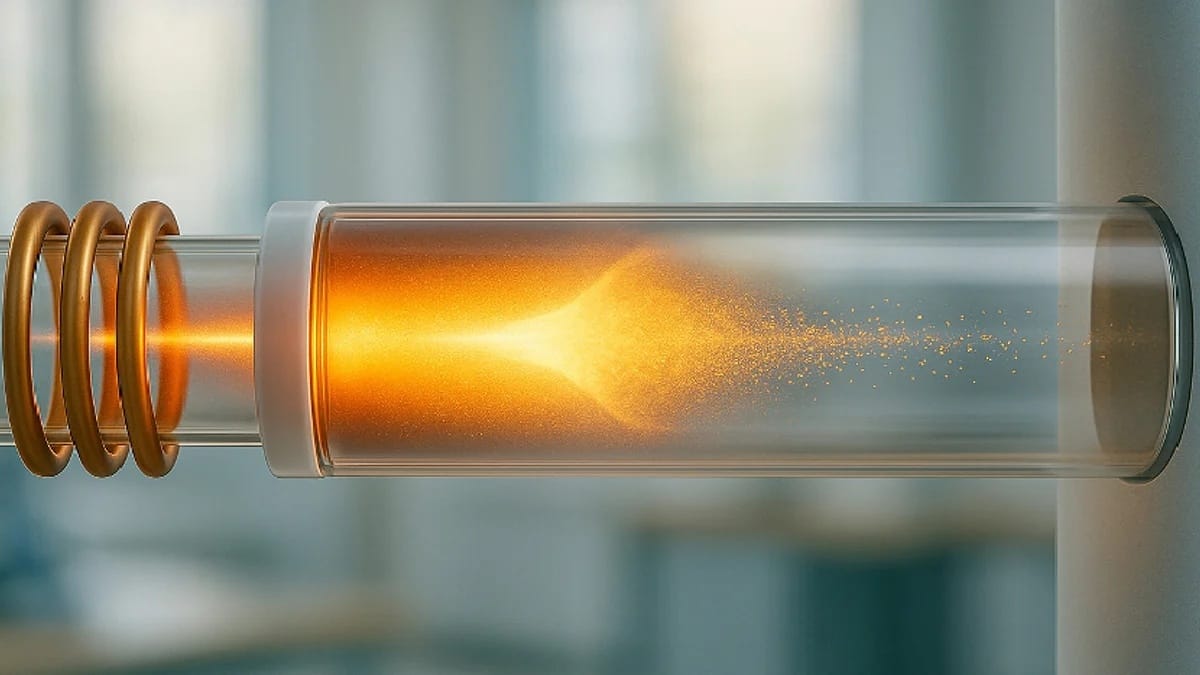
Scientists study how fallout forms because it can provide valuable clues about what happened during a nuclear event and help improve models used for safety assessments. In a new study published in Analytical Chemistry, researchers at Lawrence Livermore National Laboratory (LLNL) investigated how uranium, cerium, and cesium behave as they vaporize, react chemically, and condense under carefully controlled temperature conditions.
Their findings suggest that some widely used fallout models may overlook important chemical interactions that occur as particles form.
Recreating Nuclear Fireball Conditions
"Changing how long materials remain at high temperature can alter chemical reactions and how volatile elements like cesium are incorporated into particles," said LLNL scientist and author Rakia Dhaoui. "These particles preserve a record of how they formed. By studying these processes in a controlled system, we can replace assumptions with measurements, improve the models used to interpret nuclear debris, and support decision-making when it matters most."