Extreme conditions during blast produced unique material.
It would not be a cliché to say that it was one of the moments that changed the world forever.
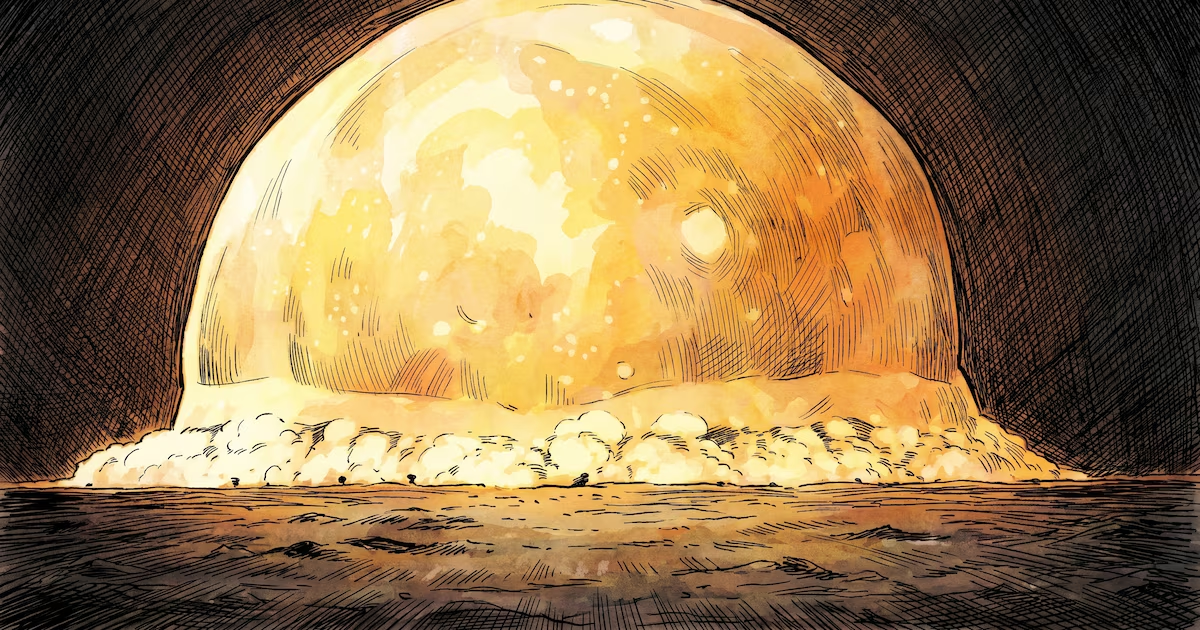
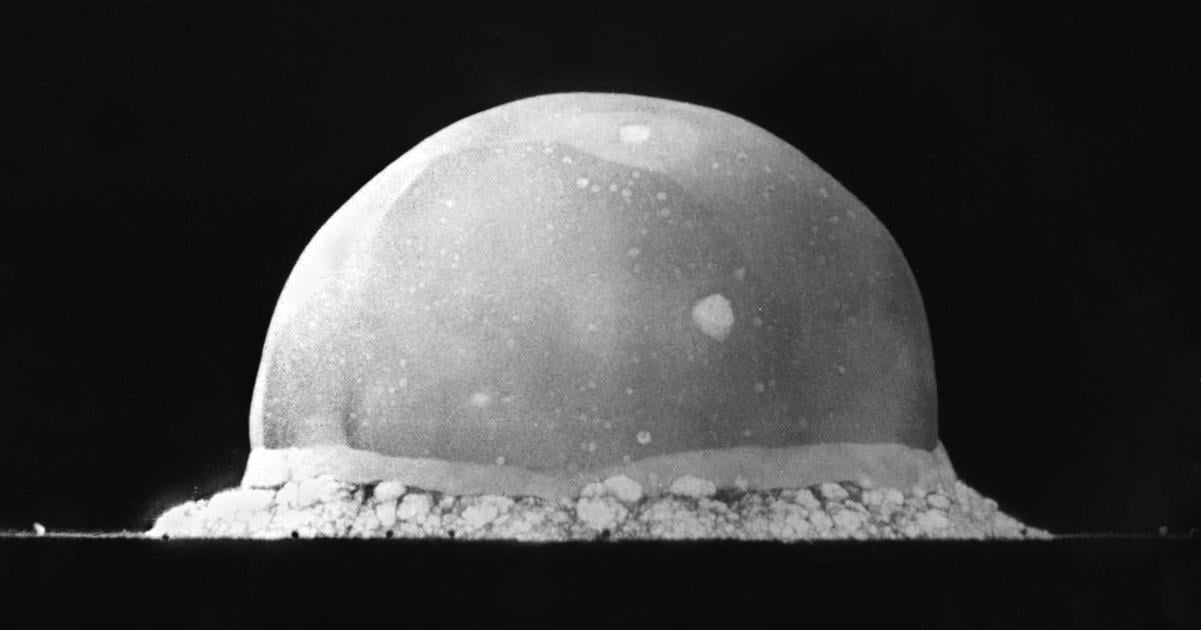
The countdown ended at 05:29:21. There was a second of silence, and then, a massive flash brighter than thousands of suns swept over the desert in New Mexico. The first atomic (plutonium) bomb, codenamed ‘gadget’, exploded, releasing energy the equivalent of 25 kilotons of TNT.
The explosion produced a massive fireball that vaporised the 30-metre test tower and its infrastructure, and sent surrounding sand to temperatures exceeding 1,500 °C and pressures thousands of times greater than normal atmospheric pressure. The matter mixed, quickly cooled and was rearranged into new forms.
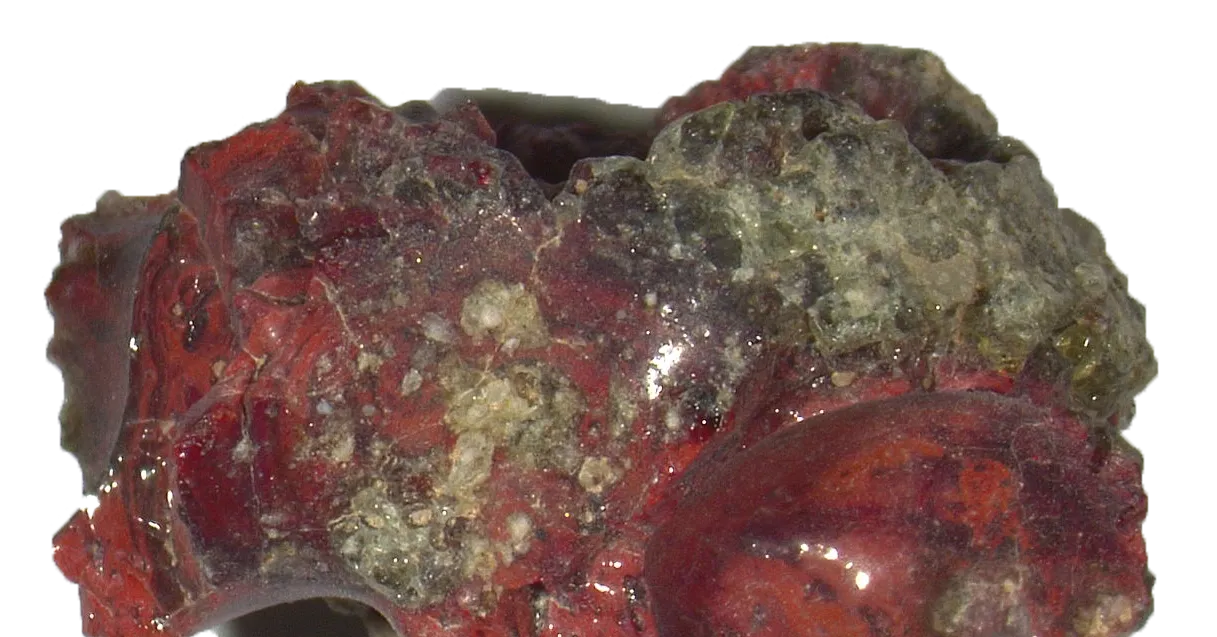
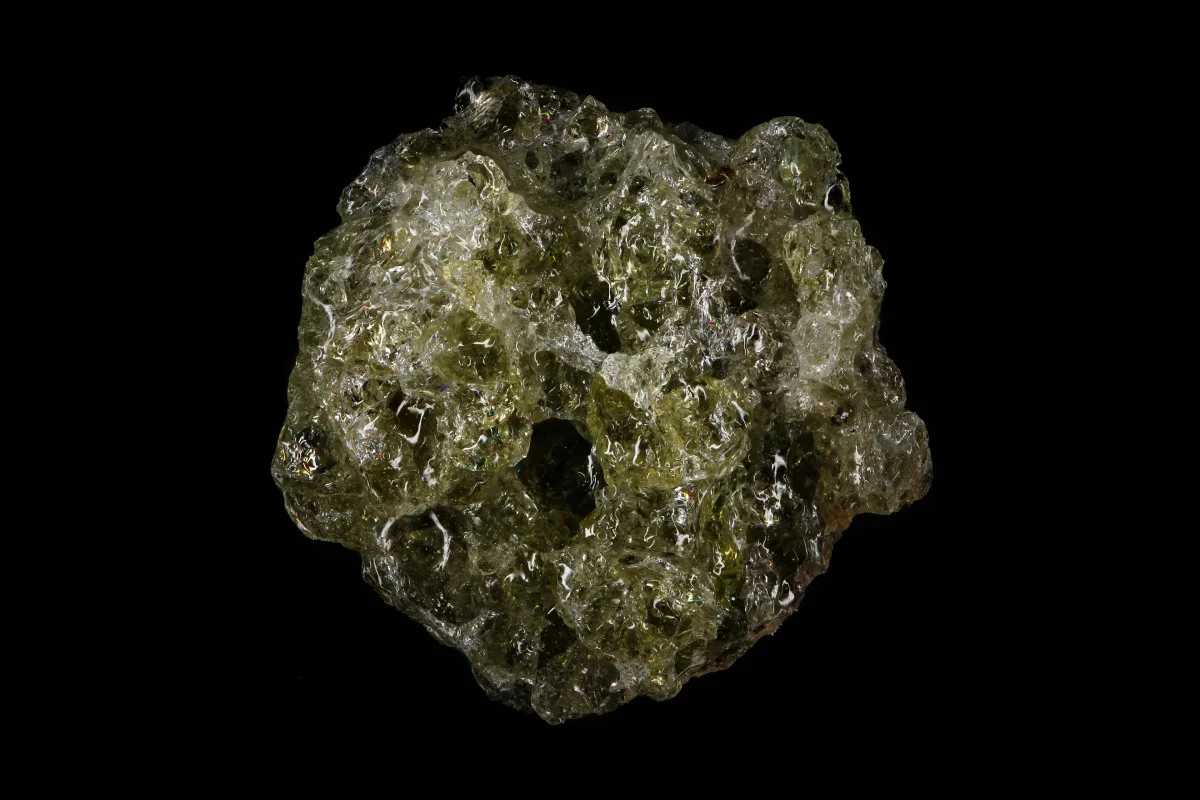
Left behind after the ‘Trinity” bomb test was a glass-like material that came to be known as trinitite. It had formed when sand and other material fused together.