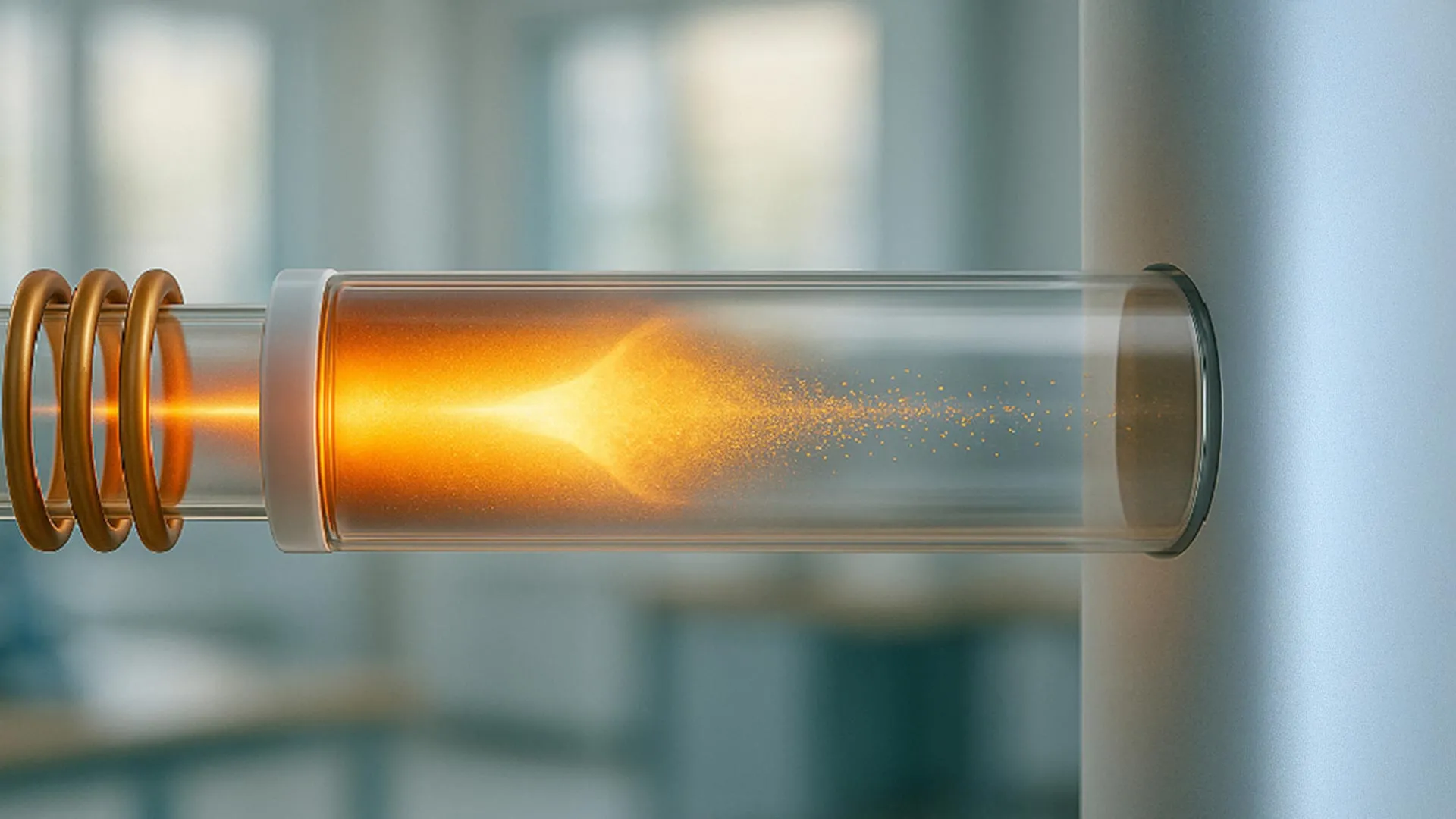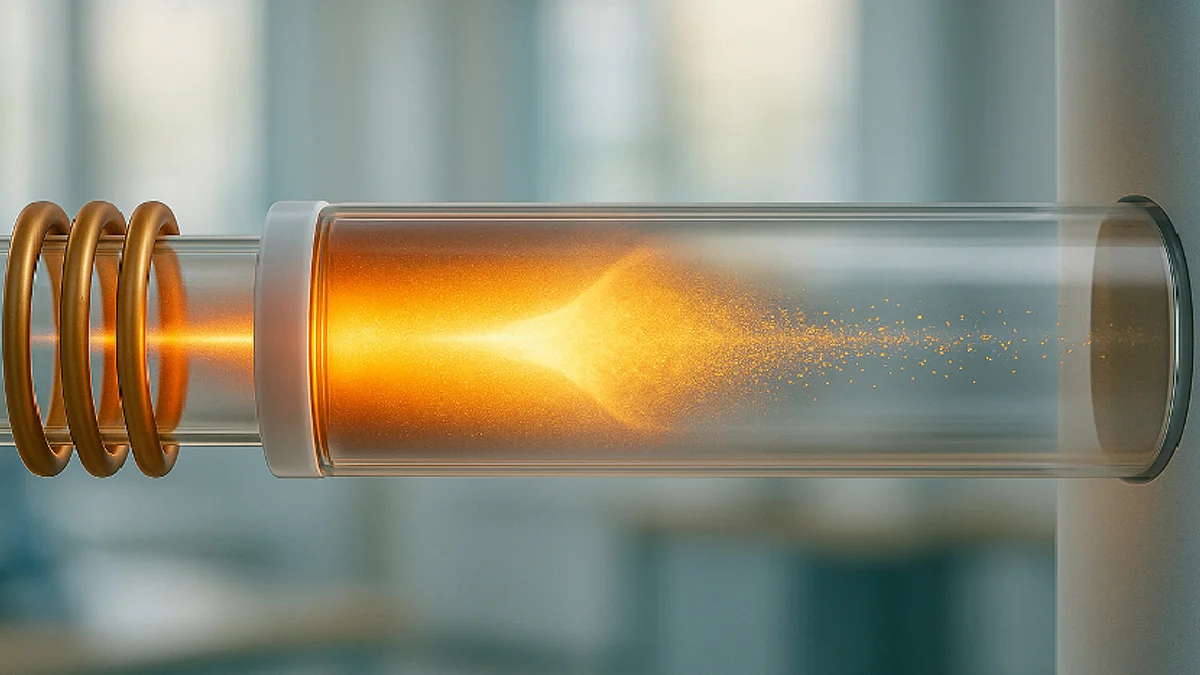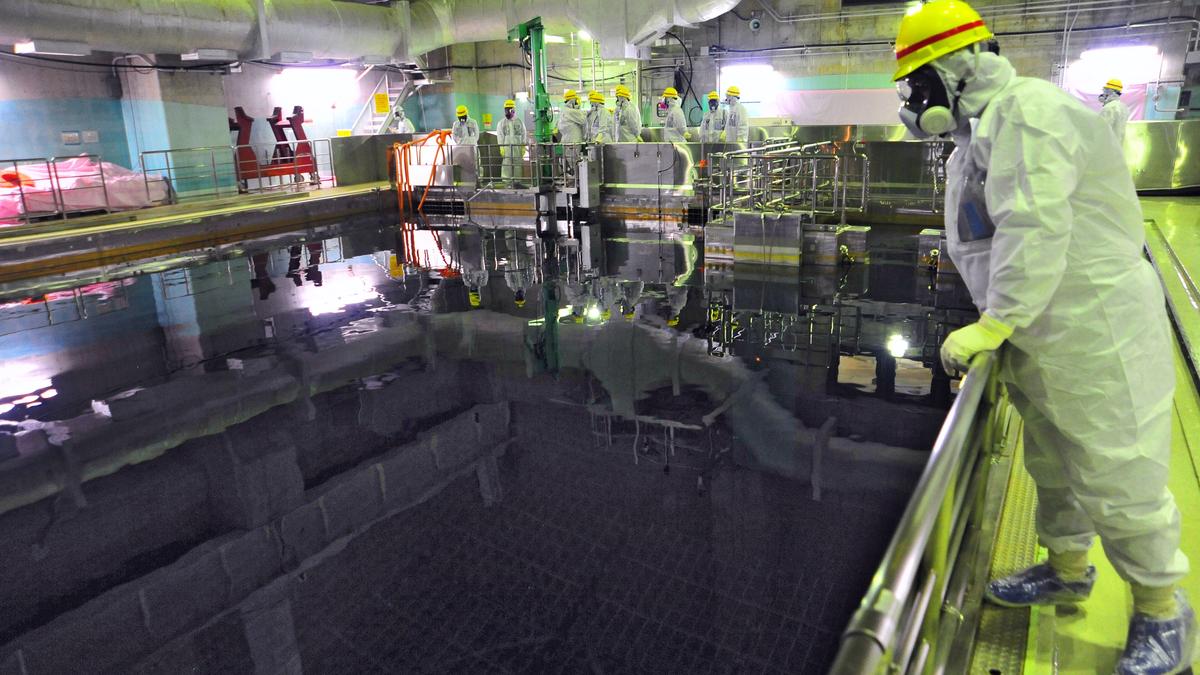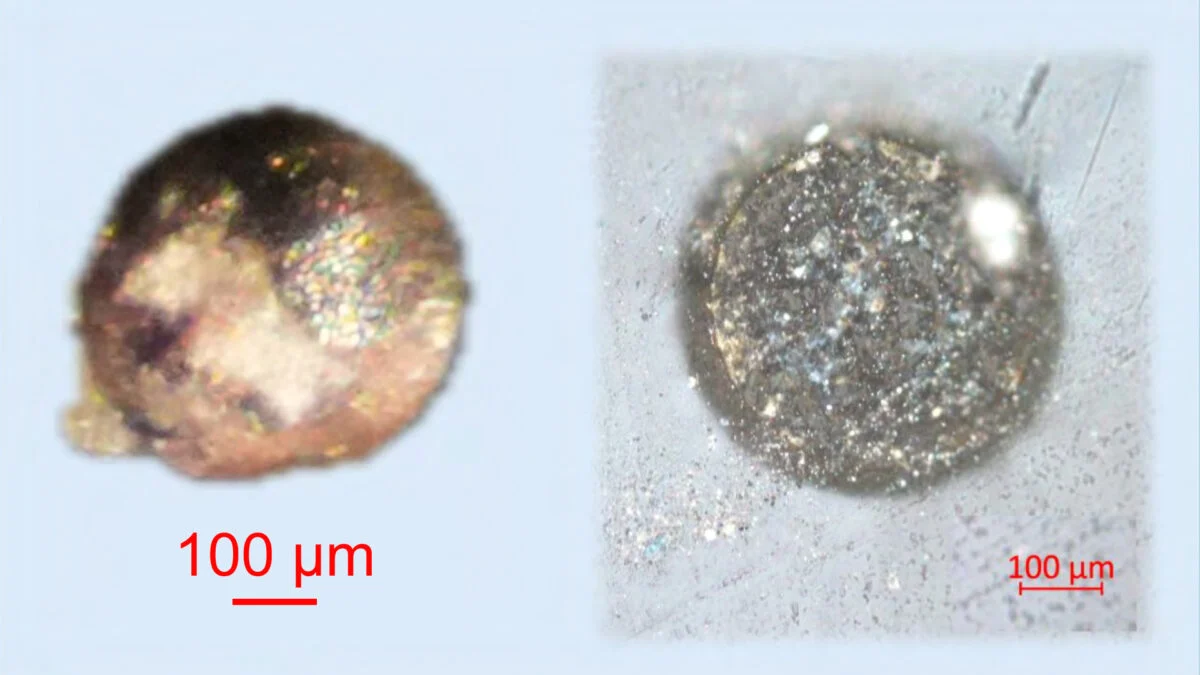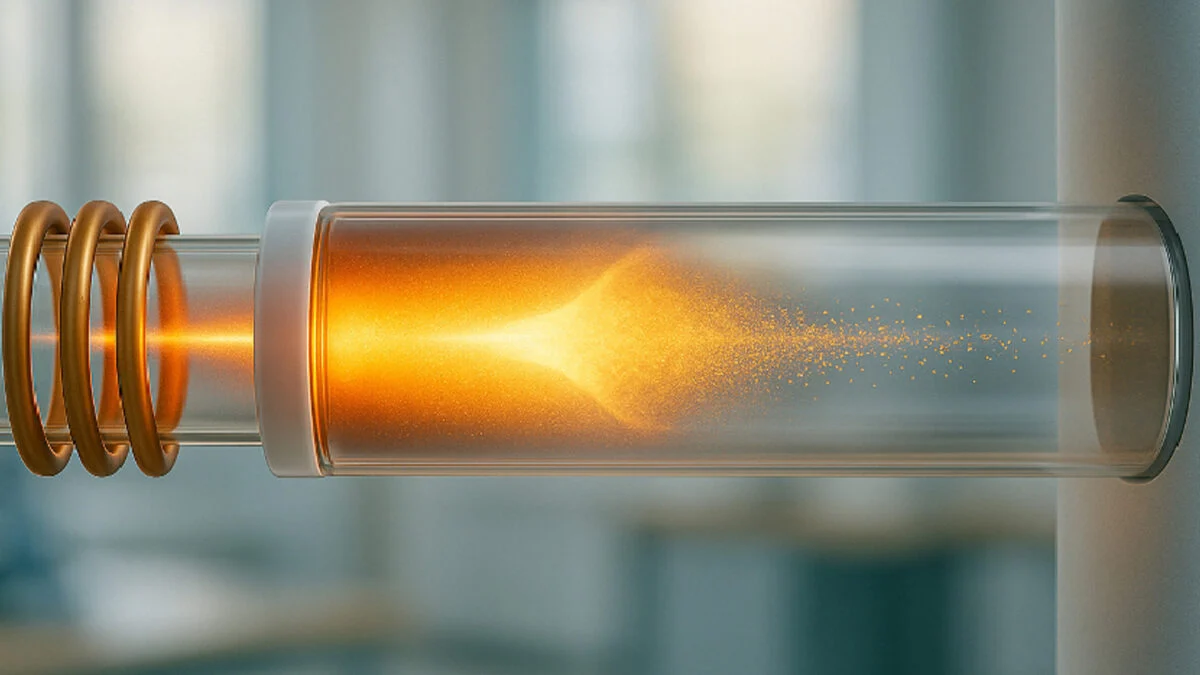
In the aftermath of nuclear accidents, radionuclides mix with the debris and soil in their vicinity. When this dangerous mixture “falls back” to us, the resulting nuclear fallout can cause lasting damage. For practical reasons, current fallout models fall short in fully describing these toxic events—but a clever miniature may finally offer scientists a better way to study them. Researchers at Lawrence Livermore National Laboratory (LLNL) created a small replica of the fireballs that trigger nuclear fallout inside a plasma flow reactor. The carefully controlled experiment allowed them to investigate how uranium, cerium, and cesium vaporize and behave. As a result, the team was able to identify limitations in current fallout models under more realistic conditions. They published their findings in a recent Analytical Chemistry paper. “By studying these processes in a controlled system, we can replace assumptions with measurements, improve the models used to interpret nuclear debris, and support decision-making when it matters most,” Rakia Dhaoui, the study’s first author and a scientist at LLNL, said in a statement.
A mini fireball For the experiment, the team customized a plasma flow reactor to freely program different temperatures and oxygen fugacities (i.e., how easily chemicals move and react). The miniature represents a portion of the fireball process, which triggers nuclear fallout by expanding and mixing into air after a nuclear accident, according to LLNL.