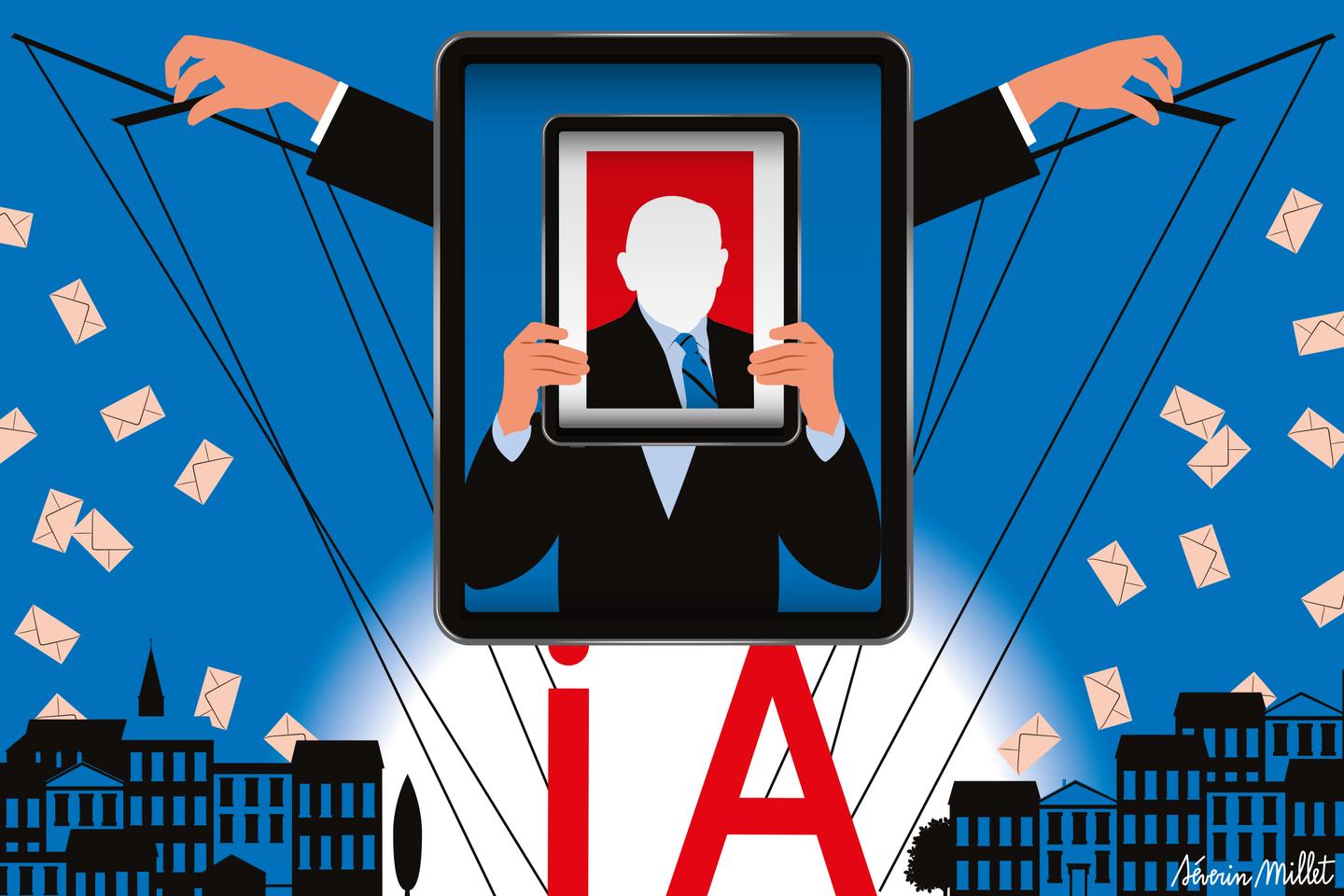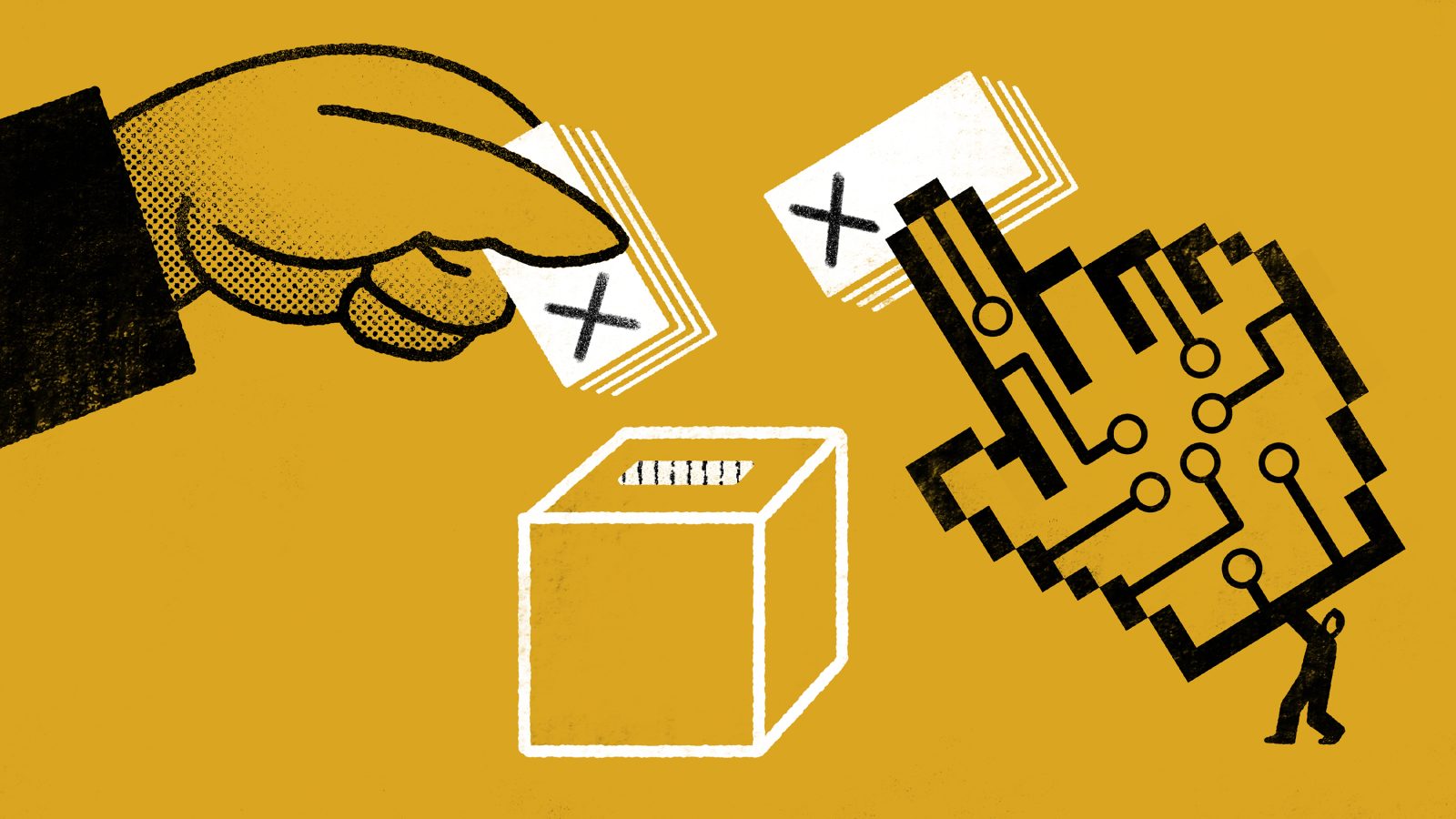
Months ahead of polls in the Indian state of Bihar last month, Manish Kumar Prasad, who runs a digital marketing firm, made the rounds of offices of political parties, pitching a new kind of election machinery: artificial intelligence-powered campaigns. They would be faster, cheaper, and more targeted than traditional campaigns, he promised.
Using AI tools such as ElevenLabs’ voice generator, ChatGPT, and Claude, his team created speeches in local dialects, and video clips for specific groups of voters. These were posted on social media platforms and in WhatsApp and Telegram group chats to reach a broad swathe of the state’s nearly 75 million voters.
“The voice cloning in local dialects was the most demanded product and a real game changer,” Prasad, chief executive officer of Lemon Dot Media, told Rest of World. “It helped our candidates reach voters even in the remotest parts.”
Coming on the heels of launches of advanced models of OpenAI’s Sora video generator, Google’s Gemini, Meta’s Llama, and others, the Bihar state elections underlined how integrated AI has become in the election process. The use of AI in the polls in one of India’s poorest and most populous states showed how effective the technology can be to reach more voters with hyperlocal content and fewer resources, Prasad said.