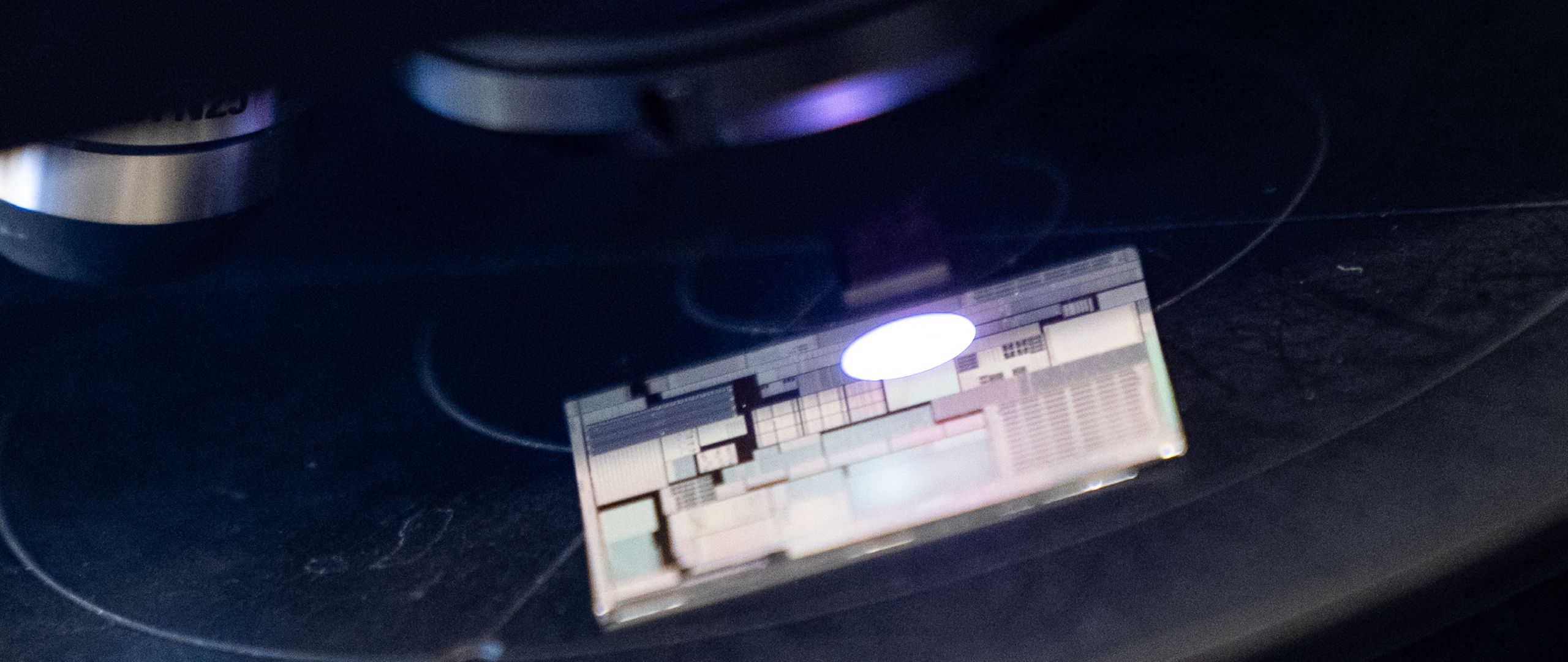
Taalas just raised $169 million to do something most chip engineers considered a category error: permanently bake a specific LLM into silicon. Not "optimized for AI workloads." Not "runs transformers efficiently." Literally hard-wired — weights, architecture, and all — into the physical transistor layout of a custom ASIC.
That's a different bet entirely.
Most of the AI chip industry in early 2026 is still fighting the same war: more SRAM bandwidth, better memory hierarchies, faster HBM interconnects. Nvidia's H100 and B200 ecosystems dominate training. Even inference-focused players like Groq and Cerebras are building general-purpose fast-memory chips that can load any model. Taalas is going the opposite direction. One chip. One model. No reloading weights. No HBM at all.
The thesis is straightforward: if the model never changes, you don't need programmable memory. Encode the weights into the chip's physical structure — analog resistor networks, log-domain arithmetic, fixed-function datapaths — and you get radical efficiency gains on inference. Power consumption drops. Latency drops. Cost per token drops.
Whether that trade-off makes economic sense at scale is the real question. And it's not obvious.