Macroeconomic headwinds and AI investments influence compensation decisions sectorwide
| Photo Credit:
Rawpixel
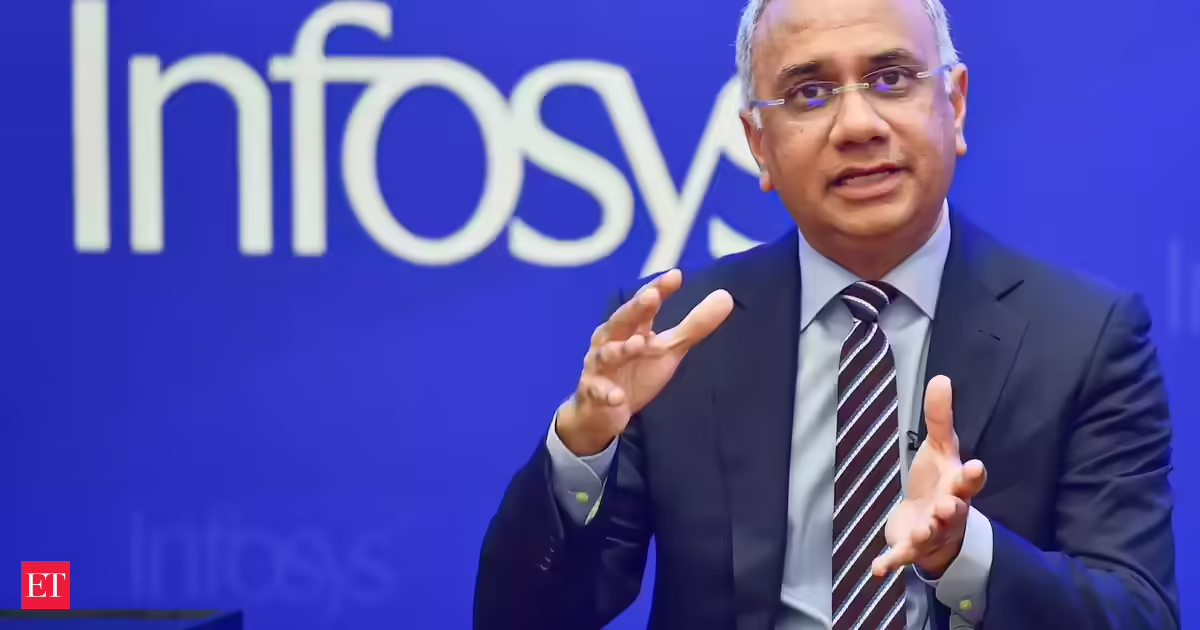
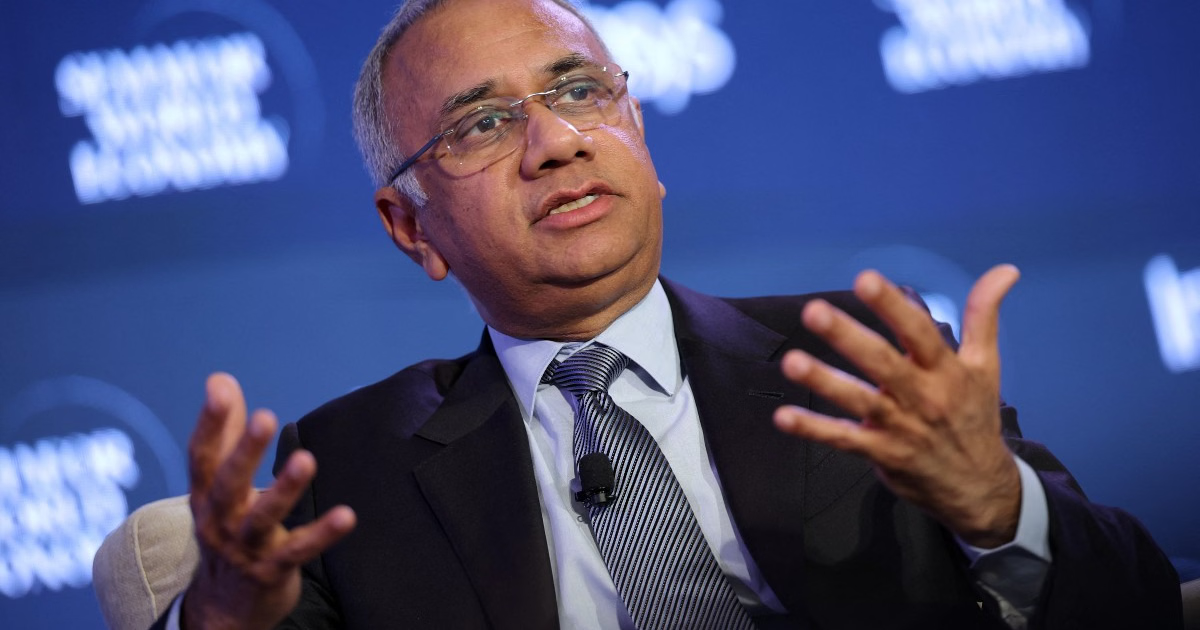
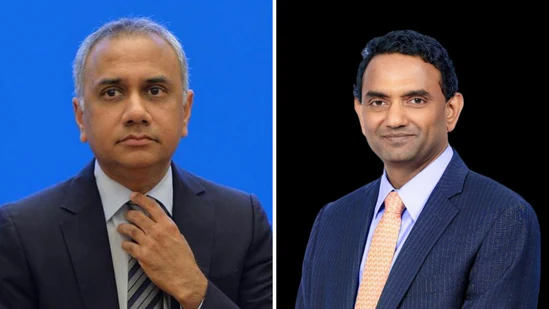
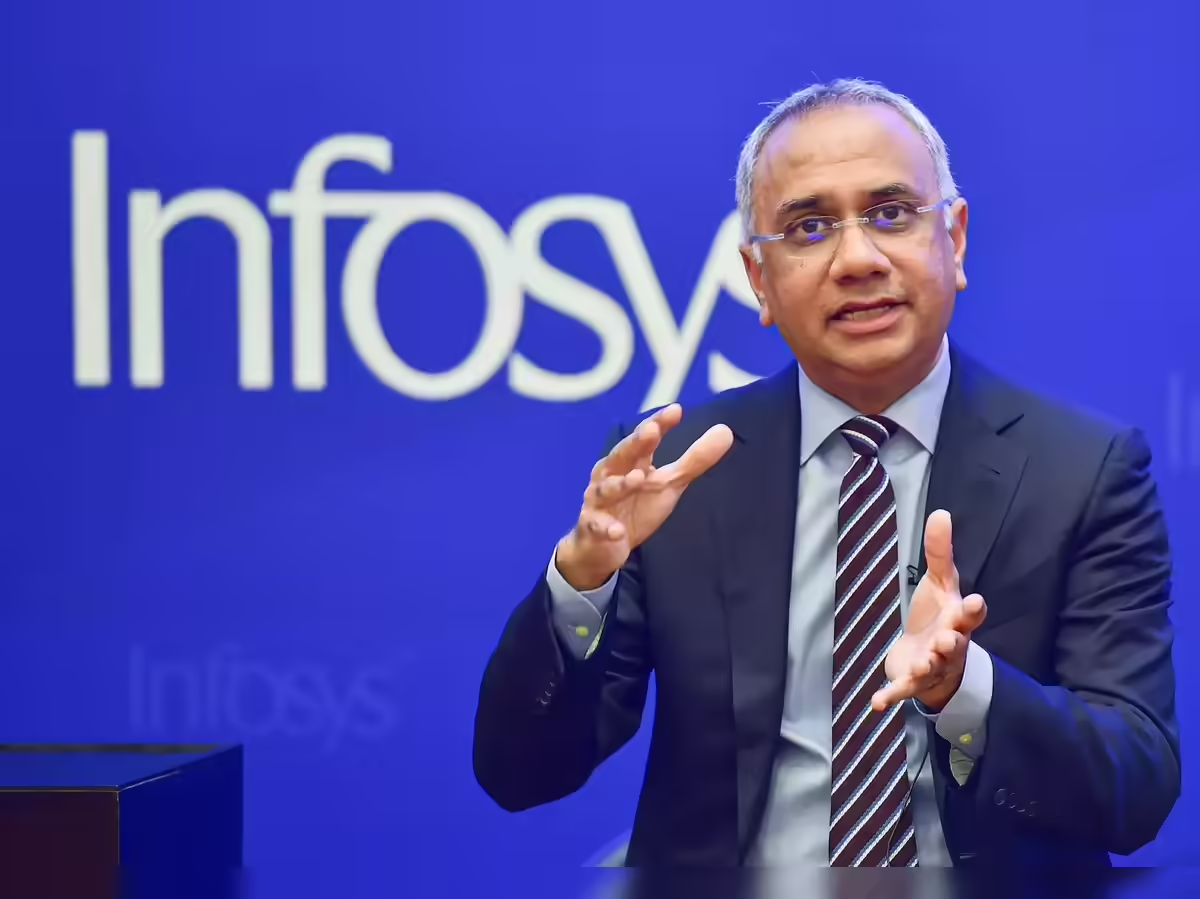
A challenging business environment marked by weak client spending, geopolitical uncertainty and lower variable payouts had a mixed impact on CEO compensation at India’s leading IT companies in FY26, even as employee salary growth remained muted across the sector.CEO compensation trends were mixed across India’s top IT services firms. As per the company's annual reports, Infosys CEO and MD Salil Parekh saw his remuneration rise 2.5 per cent year-on-year (YoY) to ₹82.6 crore from ₹80.6 crore in FY25, while TCS CEO and MD K Krithivasan’s pay increased 6.3 per cent to ₹28 crore. In contrast, Wipro CEO and MD Srini Pallia’s remuneration declined 7.5 per cent to ₹49.6 crore from ₹53.6 crore a year earlier.At LTM, CEO and MD Venu Lambu’s remuneration stood at ₹27.26 crore in FY26 compared with ₹32.54 crore paid to former CEO and MD Debashis Chatterjee in FY25, although the figures are not directly comparable due to the leadership transition during the year.Wage divideMeanwhile, the gap between CEO and employee pay remained significant across the IT sector in FY26. Parekh’s remuneration was 742 times the company’s median employee remuneration, the highest among the three firms.Krithivasan earned 332.8 times the median employee pay, while Lambu’s remuneration was 158.4 times the median salary of employees. The figures highlight the wide disparity between executive and employee compensation, even as salary hikes for the broader workforce remained moderate during the year.TCS, in its annual report, said median employee remuneration increased 5.1 per cent in FY26. Junior and mid-level employees in India received annual salary hikes of 4.5-7 per cent, with top performers getting double-digit increments, while total compensation growth, including promotions and other revisions, ranged between 5 per cent and 8 per cent. Employees in overseas markets received wage increases of 1.5-6 per cent, in line with local market conditions.“The increase in remuneration is in line with the market trends in the respective countries. To ensure that remuneration reflects the company’s performance, the variable pay is also linked to organisation performance and individual utilisation in addition to individual performance,” it highlighted.In LTM, the median remuneration of the company’s employees in FY26 was ₹17 lakh, a decrease of 1.20 per cent.“During the year, the IT industry operated in an environment marked by heightened geopolitical developments, macroeconomic volatility, and a rapid evolution of technology, including increased adoption of artificial intelligence and automation. Keeping this in mind, LTM focused on prudently balancing revenue growth, cost management, and continued investment in critical capabilities, while maintaining workforce stability,” the company noted in its annual report.Executive compensation in the IT industry typically comprises three components: fixed pay, variable pay, and stock-linked compensation. While companies are not reducing fixed salaries, the variable component has come under pressure because many firms are falling short of their performance targets. This has a greater impact at the CEO and senior leadership levels, where variable pay forms a larger share of total compensation, said Pareekh Jain, Founder and CEO, EIIR Trend.He observed that a significant portion of senior executives’ compensation is also linked to stock performance. Over the past year, IT stocks have not performed particularly well, which has weighed on overall remuneration. As a result, total compensation for many employees has declined due to lower variable payouts and weaker stock-linked gains.Cautious optimism“Junior employees are also being affected by lower variable payouts, but the impact is smaller because variable pay and stock-linked compensation make up a lower share of their salaries. Morale across the IT industry is currently low as the challenges are being felt across the sector. However, FY27 is expected to be better. If growth improves, variable payouts and stock prices should recover, leading to higher overall compensation,” Jain said.Published on June 3, 2026