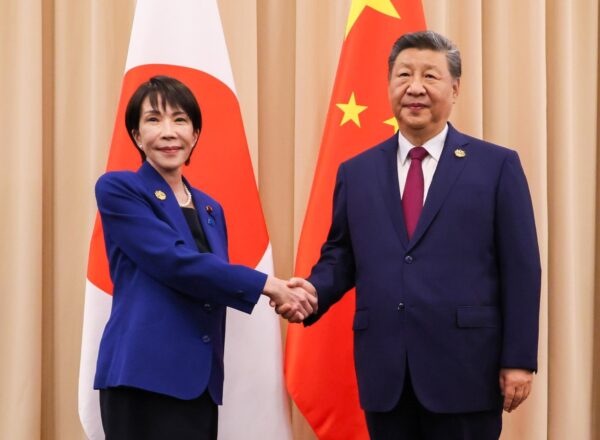
China-Japan relations are at their most difficult point in years. Sharp exchanges between Tokyo and Beijing at the Shangri-La Dialogue in Singapore in late May underscored a relationship increasingly defined by strategic rivalry, mutual suspicion, and competing security narratives.
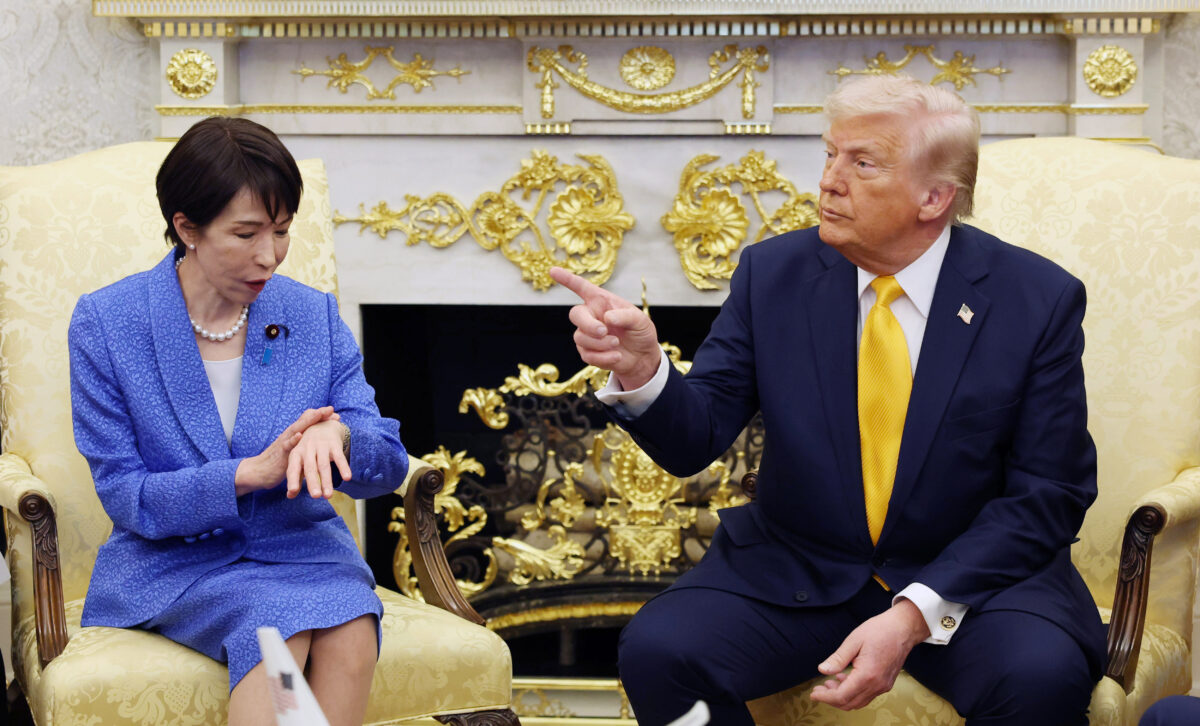
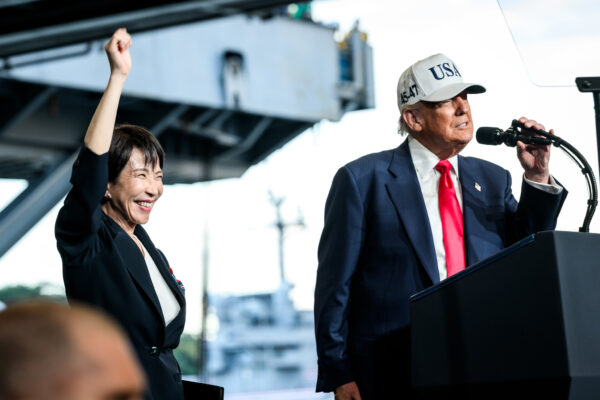
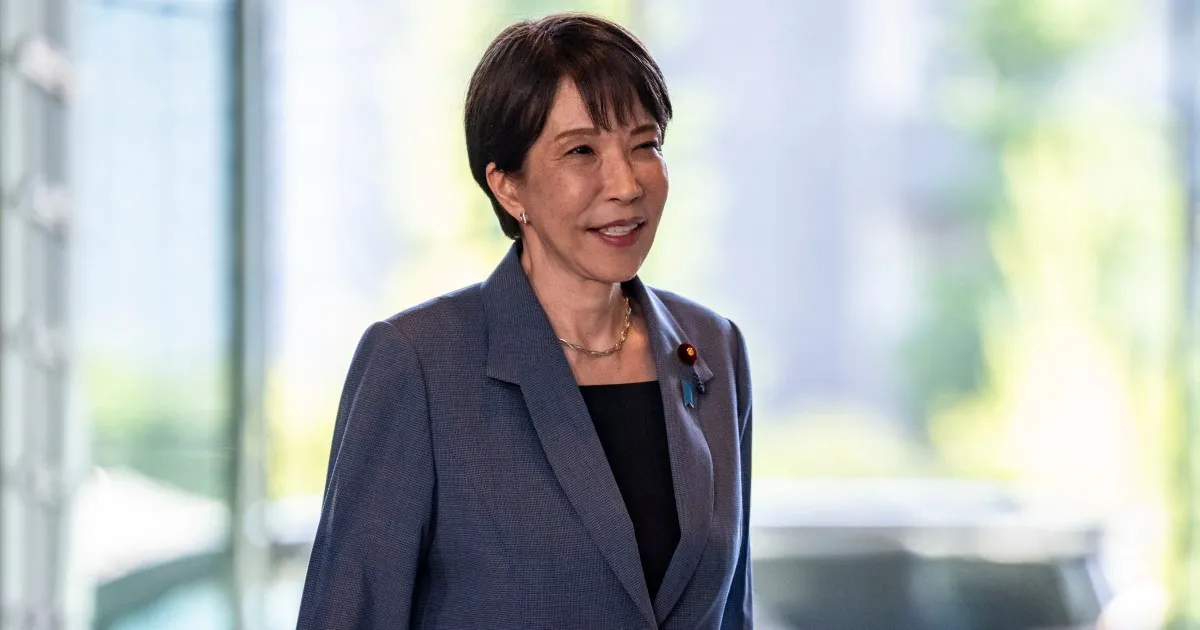
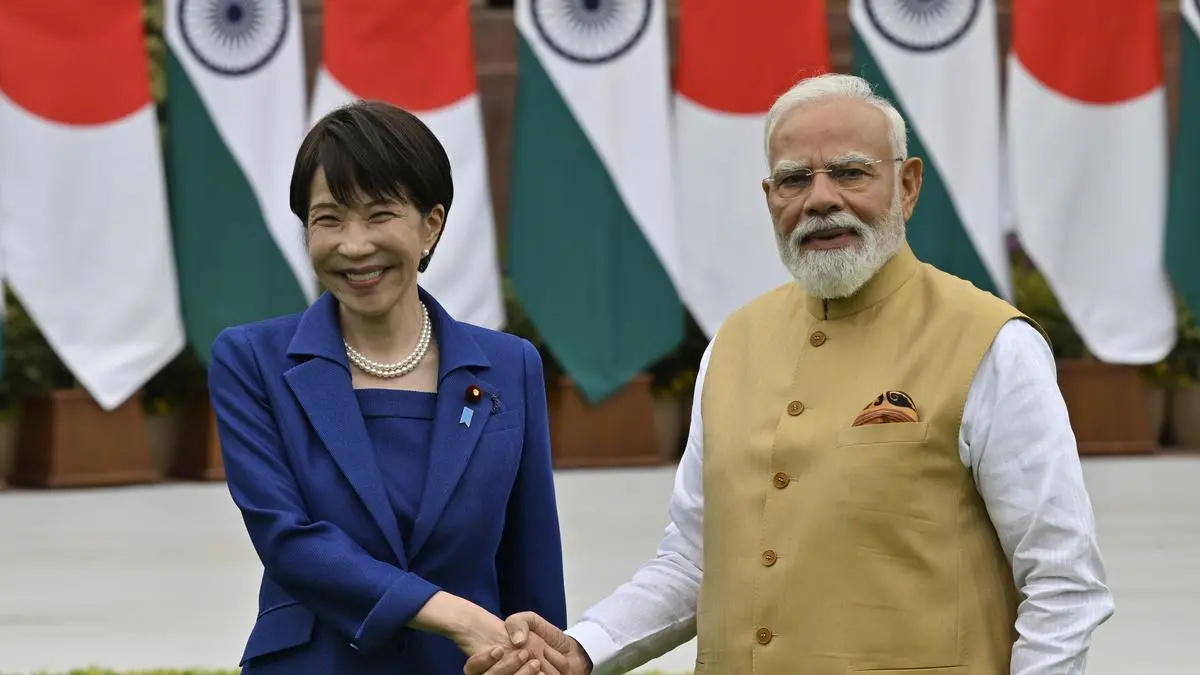
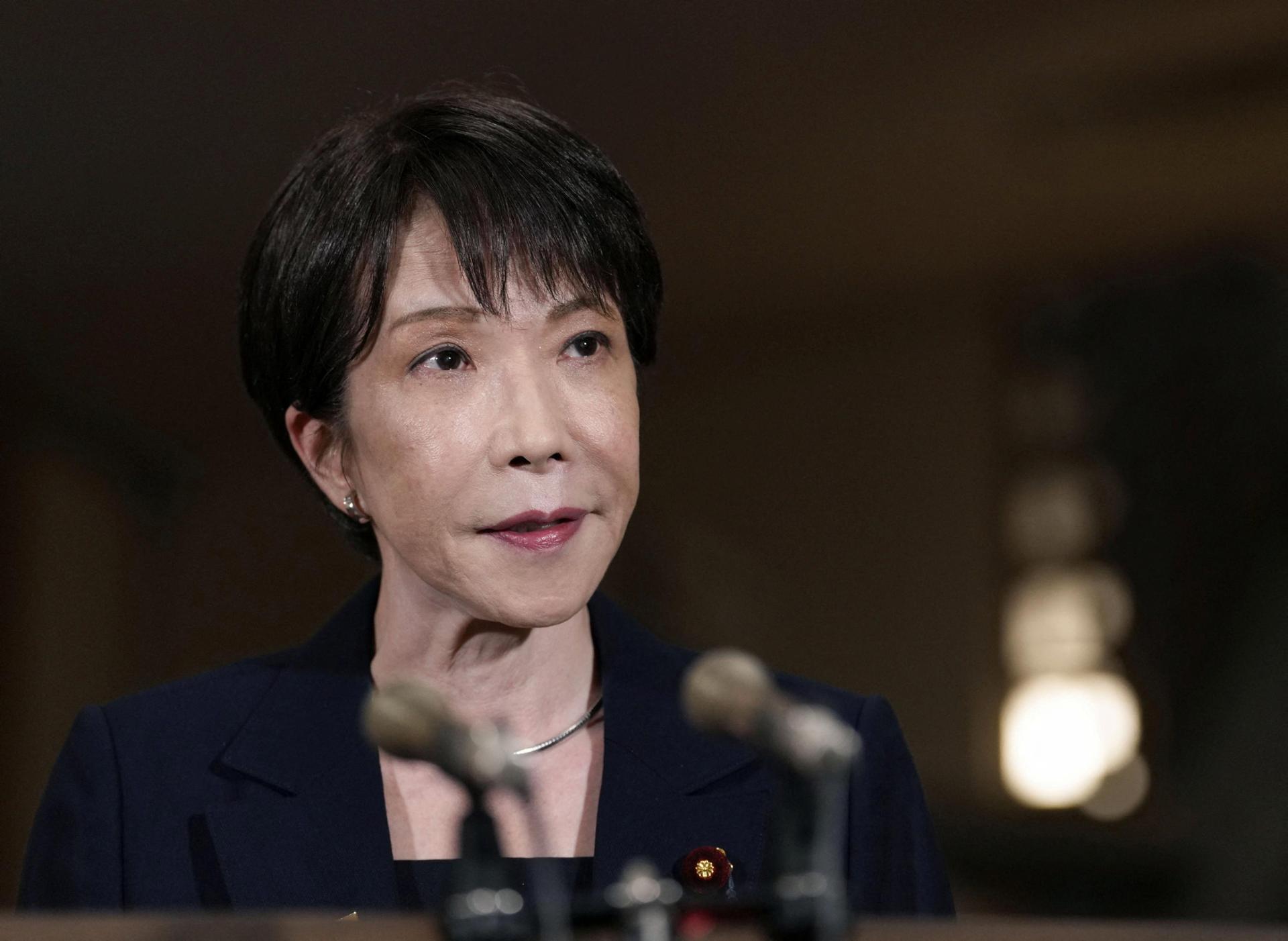
Many observers assume that Prime Minister Takaichi Sanae is poorly positioned to improve ties with China. Her hawkish reputation, outspoken views on Taiwan, and support for strengthening Japan’s defense capabilities have made her a frequent target of criticism from Beijing.
Yet there is a historical irony here.
Two decades ago, many Chinese officials and analysts held similarly negative views of then-Prime Minister Abe Shinzo. He was widely regarded as a conservative nationalist associated with Yasukuni Shrine and a more assertive Japanese security policy. Few expected him to become the leader who would eventually stabilize relations with Beijing, yet that’s exactly what happened.
That history raises an important question: Could Takaichi ultimately achieve what Abe did?