Press return to see results.
cmd / ctrl + k to open and close.
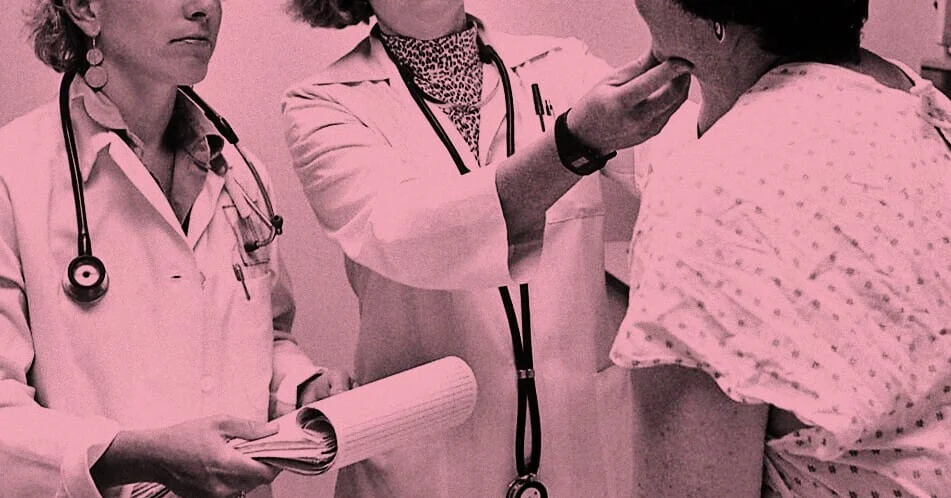
Almost every night of the week, the house at 9 Knox Street in Boston’s Bay Village neighborhood became something unexpected. The owner—a young gay theatre producer—would transform his front room into an informal restaurant, serving home-cooked meals to those lucky enough to snag an invitation. And if you were to attend on the right night, you would see something even more unexpected: a group of gays and lesbians, many of them radical feminists, who were there not just to eat but to talk through their ongoing work of helping people access gender-affirming care in a time when the medical community looked at trans people with skepticism, if not outright hostility.
These dinners-turned-organizing-sessions took place in the 1970s, but they would be just as useful today, when trans people are under renewed assault across the country. According to the Trans Legislation Tracker, 793 bills have been introduced this year that seek to restrict or block trans people from receiving basic health care, education, and legal recognition. Fifty-five have already passed. While opponents of trans rights try to justify their actions in a variety of ways, a common strategy is to claim that trans health care somehow undermines gay and lesbian rights, or the rights of women in general. Trump’s prohibitions on gender-affirming care for prisoners and recognizing transitions in legal documents, for instance, were part of an executive order on “Defending Women.” Consider, too, the perverse alliance between the unrepentant transphobes of the Heritage Foundation and self-described feminists from the Women’s Liberation Front, or the rampant fearmongering that trans medicine is coming for gay kids.