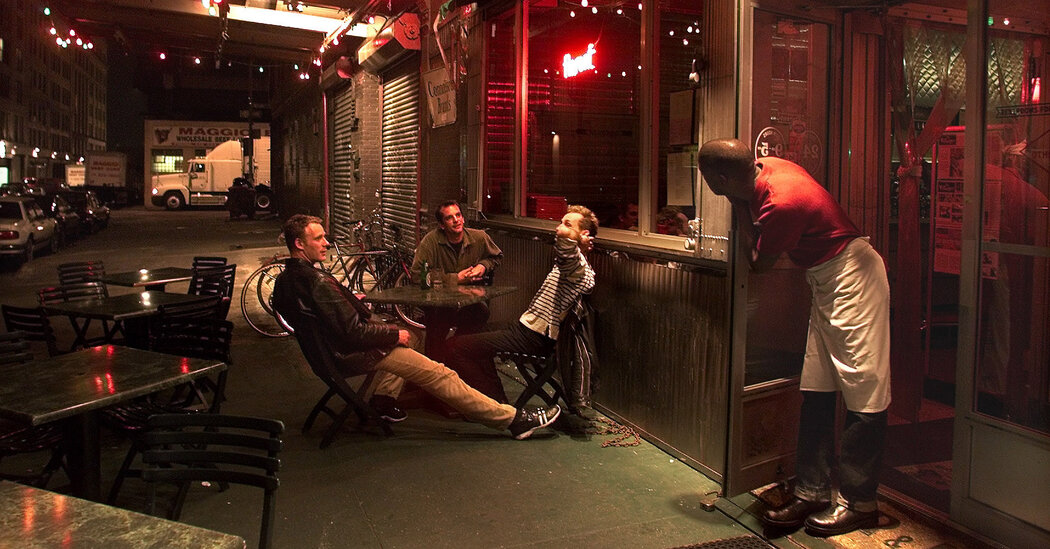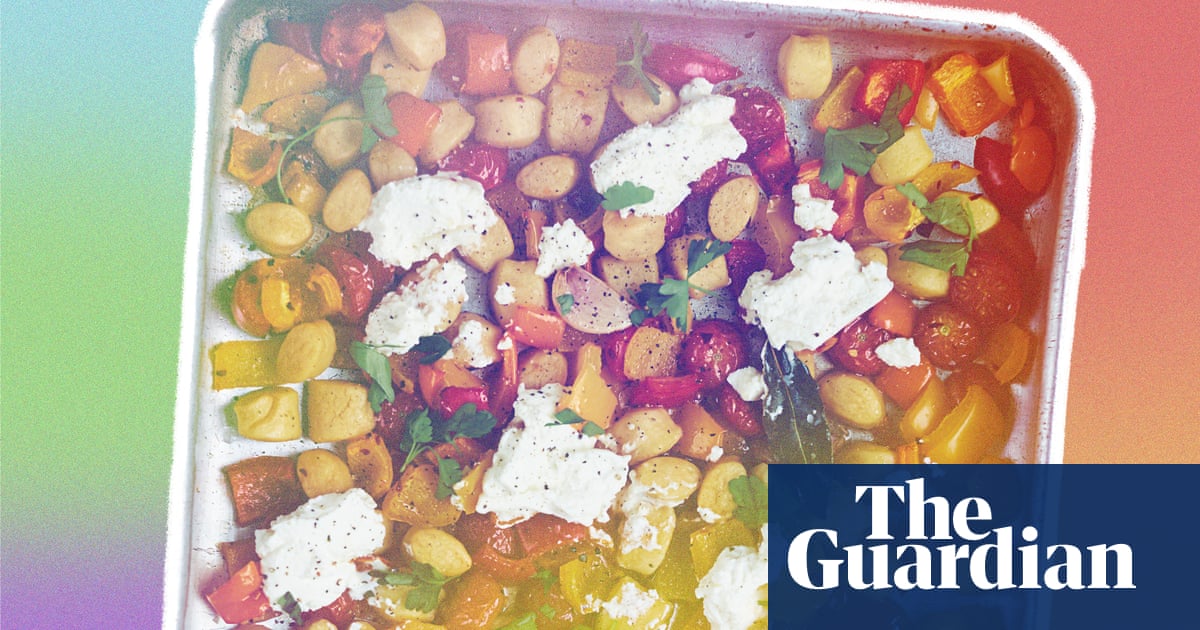
What is queer food? It’s a question that has been inspiring books, conferences and activism of late, as LGBTQ+ chefs, writers and producers have sought to explore and assert the contribution of queer people within culinary culture. In Pride Month, queer operators are often approached to collaborate on projects that can feel a bit like box-ticking exercises. “Often it’s huge corporate entities we have no relation to and who have no real interest in working with us,” says Rebecca Spaven of south London’s Toad Bakery. “Rainbow cake is not queer food,” adds Bleecker Burger founder Zan Kaufman.
“There is no essentialised cuisine of queerness,” writes John Birdsall in his 2025 book What is Queer Food? “Queer food is ordinary food transformed by context.” Consider, for instance, quiche. Adopted by the gay community in the ’70s as a refined brunch staple, the French egg custard tart would later become a symbol of the 1980s conservative backlash reflected in the title of Bruce Feirstein’s book Real Men Don’t Eat Quiche.
Happy Endings The Gay One ice-cream sandwich, £6.20. BUY
TGF x AKT Organic extra virgin olive oil, £25.95 for 500ml. BUY
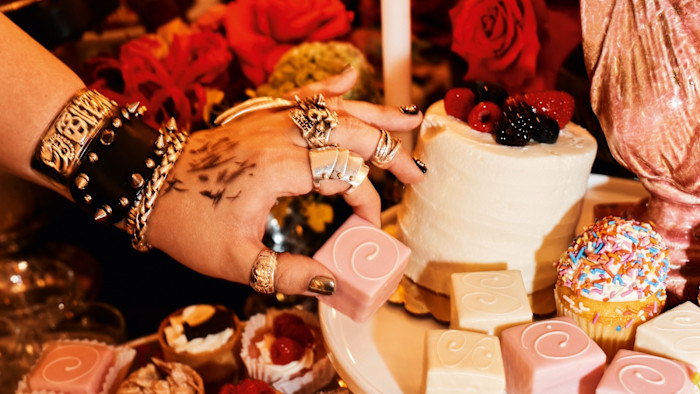
While bright colours and extravagant decoration may be an unwanted stereotype, camp is often a characteristic of queer dining. At Cabana Café and Cabaret, a Miami restaurant that operated in the ’80s, the signature eight-ounce steak came “char-broiled per your instructions – dragged through sequins to make your taste buds sparkle”, and the omelette covered in “bacon accessories”. “You know you’re in a gay restaurant when your dish comes with bacon accessories,” says author Erik Piepenburg.