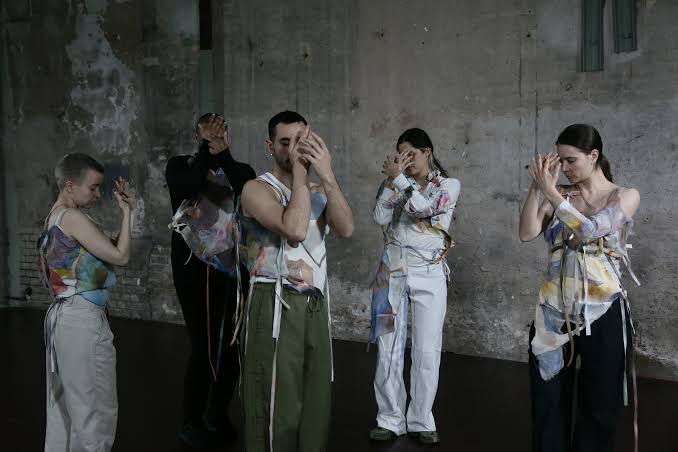
On Saturday at 6 p.m. at Labkhand (Smile Theatre), I watched Arash, a one-act play by Bahram Beyzaie. Centered on a humble herdsman in the mythical era following Iran's defeat, Arash is portrayed not as a traditional hero, but as a victim of circumstance - a man chosen to shoot the border-defining arrow between Iran and Turan, ultimately sacrificing his life in the process. The play explores a defeated people's desperate search for a savior, revealing Arash as a casualty of society’s need for a hero rather than a hero himself. Compared to many of Beyzaie’s other works, Arash is shorter and highly concentrated, blending narrative and epic elements throughout.
This specific performance was recorded at Stanford University about fifteen years ago and was being screened for one night only. It was a rare and valuable opportunity, given that YouTube access remains restricted and unreliable for many internet users in Iran.
As the working week ended on Friday - coinciding with the Ertehal holiday marking the anniversary of Ayatollah Khomeini’s death - many Iranians joined organized tours to escape the stress of months spent staying at home. I made my way to the railway station at the southern end of Valiasr Street - the longest street in Iran, stretching all the way to Tajrish Square - and boarded a train bound for Zanjan.