‘Censorship in Iran is pervasive. The state is unwilling to allow an honest portrayal of public life. I focus on the overlooked’
S
hiraz, my home town, is widely known as the city of Hafez and Saadi – two of Iran’s greatest poets. It is celebrated for its poetry, wine, and the scent of orange blossoms. But beneath this beauty lies a darker reality that I feel compelled to expose through my lens.
I was born into a middle-class family, and grew up quite isolated from the outside world. My grandfather had been addicted to drugs and alcohol, and my mother’s childhood was often filled with conflict and violence. Her deep-seated fear of harmful people and bad influences led her to become extremely distrustful of others, and she built a metaphorical wall around us. Despite financial difficulties, my parents made an effort to raise us in a more affluent area. I had almost no real understanding of Shiraz or its people and only started exploring its older, historical districts after returning from university.
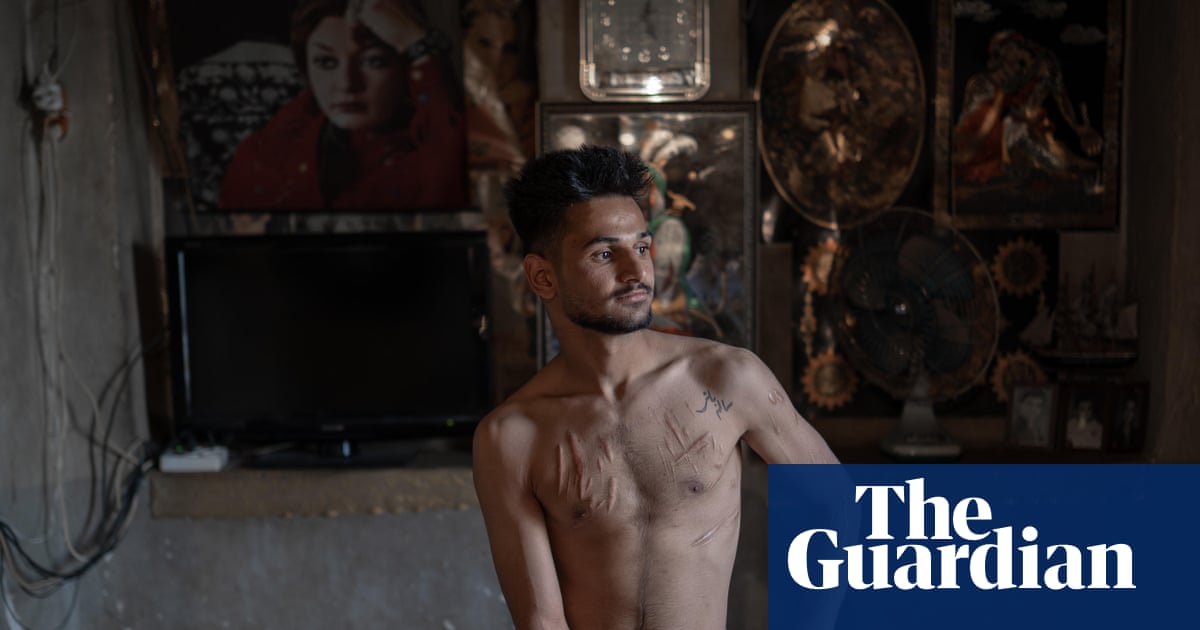
I was studying architecture and bought a camera for my coursework. One day, while photographing the southern parts of the city, I came across a neighbourhood filled with homeless people and drug-users. The scene was strange and shocking and deeply affected me. From then on, I frequently visited the area with my camera. Initially, I focused on individuals dealing with addiction – those who are often abandoned by their families, society and the state. In Iran, heroin and crystal meth are among the most commonly abused substances, and addiction rates are rising. I also became acquainted with drug-dealers and criminals, which allowed me to document their lives, too.