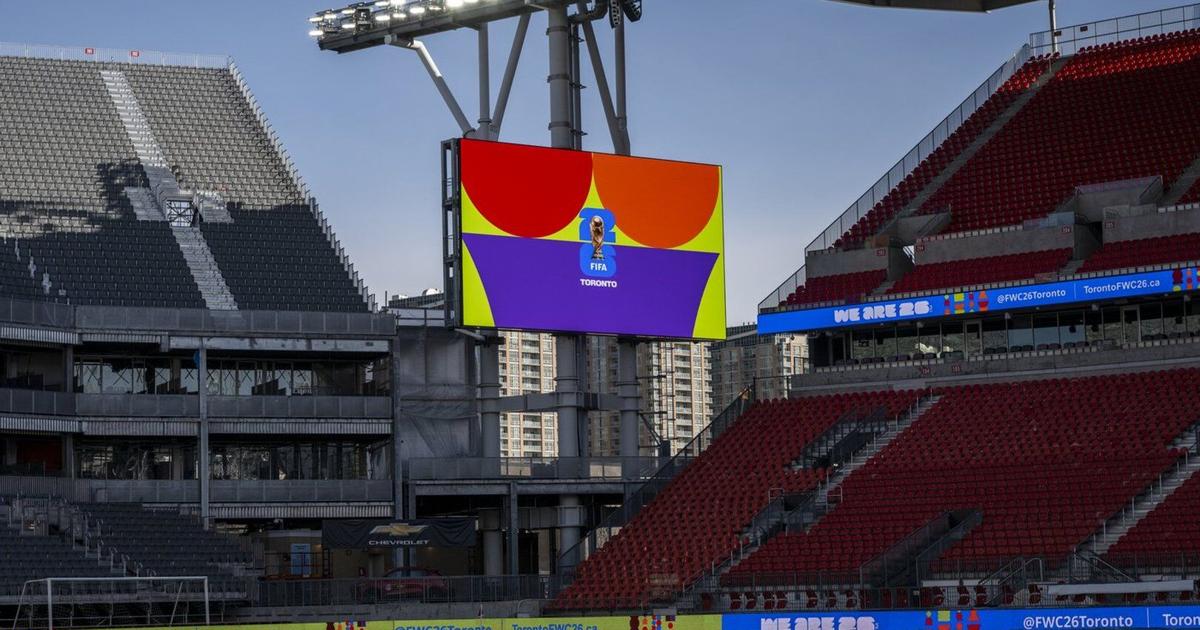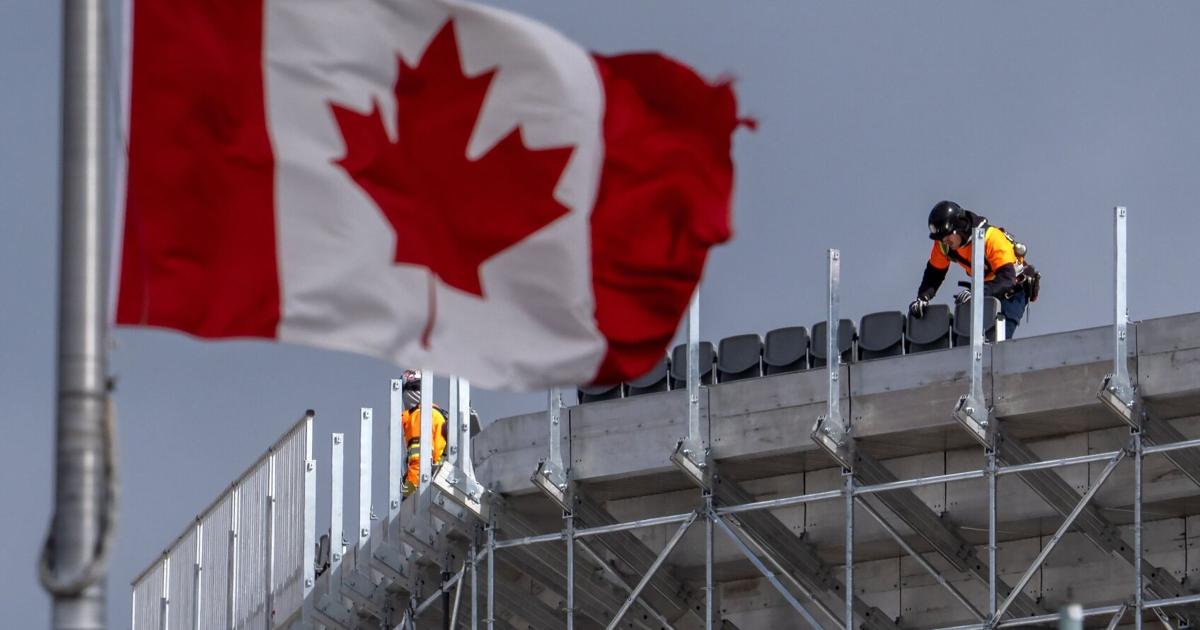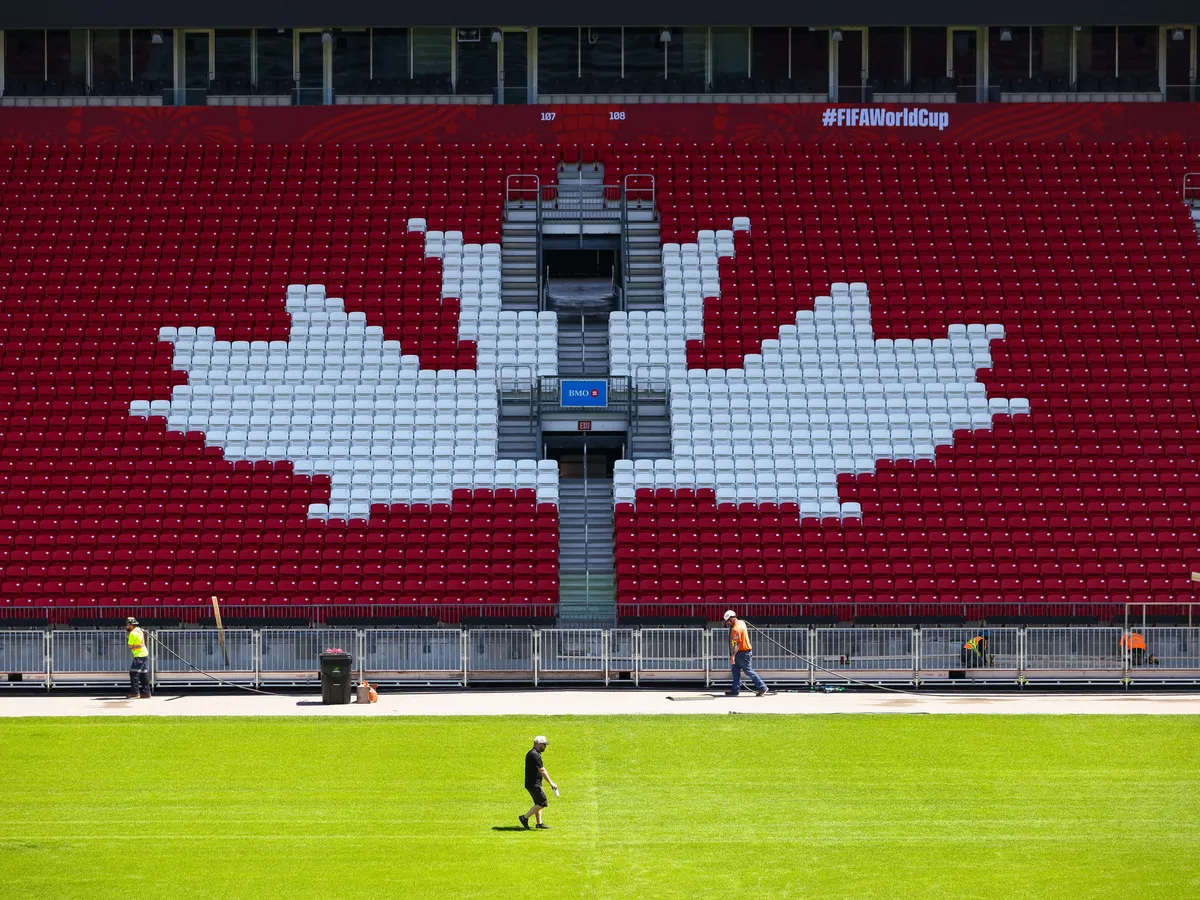
Skip to Content News Archives Economy Energy Oil & Gas Renewables Electric Vehicles Mining Commodities Agriculture Real Estate Mortgages Mortgage Rates Finance Banking Insurance Fintech Cryptocurrency Work Wealth Smart Money Wealth Management Investor Personal Finance Family Finance Retirement Taxes High Net Worth FP Comment Executive Women Puzzmo Newsletters Financial Times Business Essentials More Innovation Information Technology FP500 Podcasts Small Business Lives Told Tails Told Shopping Financial Post Store Obituaries Place a Notice Advertising Advertising With Us Advertising Solutions Postmedia Ad Manager Sponsorship Requests Classifieds Place a Classifieds ad Working Profile Settings My Subscriptions Saved Articles My Offers Newsletters Customer Service FAQ News Economy Energy Mining Real Estate Finance Work Wealth Investor FP Comment Executive Women Puzzmo Newsletters Financial Times Business Essentials HomeNewsPosthaste: Is the World Cup really a boon for the economy?Taxpayers' bill will amount to $1.07 billion or about $82 million per matchLast updated 1 hour ago You can save this article by registering for free here. Or sign-in if you have an account.Workers prepare Toronto Stadium (temporarily renamed from BMO Field for the 2026 FIFA World Cup) for the games later this month. Photo by Cole BURSTON / AFP via Getty ImagesSubscribe now to read the latest news in your city and across Canada.Exclusive articles from Barbara Shecter, Joe O'Connor, Gabriel Friedman, and others.Daily content from Financial Times, the world's leading global business publication.Unlimited online access to read articles from Financial Post, National Post and 15 news sites across Canada with one account.National Post ePaper, an electronic replica of the print edition to view on any device, share and comment on.Daily puzzles, including the New York Times Crossword.Subscribe now to read the latest news in your city and across Canada.Exclusive articles from Barbara Shecter, Joe O'Connor, Gabriel Friedman and others.Daily content from Financial Times, the world's leading global business publication.Unlimited online access to read articles from Financial Post, National Post and 15 news sites across Canada with one account.National Post ePaper, an electronic replica of the print edition to view on any device, share and comment on.Daily puzzles, including the New York Times Crossword.Create an account or sign in to continue with your reading experience.Access articles from across Canada with one account.Share your thoughts and join the conversation in the comments.Enjoy additional articles per month.Get email updates from your favourite authors.Create an account or sign in to continue with your reading experience.Access articles from across Canada with one accountShare your thoughts and join the conversation in the commentsEnjoy additional articles per monthGet email updates from your favourite authorsSign In or Create an AccountorThe 2026 FIFA World Cup, now less than two weeks away, was promised to be an economic boon for Canada, but it may not be all it’s cracked up to be.Toronto and Vancouver play host to a combined 13 games at this year’s World Cup, with the first game on June 12 when Canada faces off against Bosnia and Herzegovina.The Parliamentary Budget Officer in May estimated that total government support for the 13 games amounts to $1.07 billion, or about $82 million per match.The British Columbia government now estimates the seven games in Vancouver could cost taxpayers upwards of $729 million, while the City of Toronto in April said its games would cost about $380 million.Breaking business news, incisive views, must-reads and market signals. Weekdays by 9 a.m.By signing up you consent to receive the above newsletter from Postmedia Network Inc.A welcome email is on its way. If you don't see it, please check your junk folder.The next issue of Posthaste will soon be in your inbox.We encountered an issue signing you up. Please try againDespite the massive taxpayer capital tied up in the tournament, it remains to be seen whether the Canadian economy will truly benefit.Canadian bar and restaurant spending increased by 10 per cent during the 2022 World Cup in Qatar, according to a 2023 report by Moneris Solutions Corp., but as the Bank of Montreal points out, only a portion of the spending boost this time around can be seen as a benefit.“The gain will be temporary, and only spending by international travellers can be considered a net benefit, since residents will be largely diverting money that would otherwise have been spent on other activities or at other times,” BMO analysts said in a note this week.BMO estimates Canada stands to benefit by between $1 billion and $5 billion from tourism related to the World Cup, while residents will spend an estimated $500 million to $1.5 billion. This translates to gross domestic product growth of about 0.1 points.But given the large upfront public cost of hosting, BMO worries most of the taxpayer funding in Toronto and Vancouver will benefit private companies.“Most of the economic gains flow to the private sector, while the public sector in Toronto and Vancouver will absorb a disproportionate share of the financial risk,” the BMO analysts said. “This misalignment between who pays and who benefits lies at the core of the cost/reward challenge for Canadian host cities.”Meanwhile, most small businesses are struggling to see a benefit, with 58 per cent of them not expecting the tournament to have any material impact on revenues compared to a typical summer, according to a recent survey by Merchant Growth Ltd.Even though more than a fifth of Canadians plan to watch World Cup games at a local establishment, many places don’t have the budget to prepare for an increase in foot traffic.“The World Cup is a major economic moment, but it will not benefit every small business equally,” David Gens, chief executive of Merchant Growth, said in a news release. “Businesses with the right location, staffing and cash flow may be able to turn increased consumer activity into revenue, but for many owners, rising operating costs and tight margins mean they are being cautious about investing ahead of the opportunity.”Sign up here to get Posthaste delivered straight to your inbox.Rio Tinto Group’s shipments of aluminum to the U.S. have rebounded to levels seen before President Donald Trump’s tariffs.The White House hiked the levy on the metal to 50 per cent last year, pushing Rio Tinto to sell more of its Canadian-produced aluminum in the European market. In turn, North America shipments — headed mostly to the U.S. — fell to the mid-60 per cent range. Flows are now back to about 80 per cent, the producer’s aluminum chief said.“We progressively came back to the pretariff situation — meaning the U.S. represents the vast majority of our sales from Canada today,” Jérôme Pécresse, who heads Rio’s aluminum business, said in an interview. — BloombergData: Labour productivity for the first quarter, U.S. ADP National Employment report for MayEarnings: CrowdStrike Holdings Inc., Macy’s Inc., Canaccord Genuity Group Inc., VersaBankWhile automatic tax filing has been around for decades in other countries, Canada is only just now taking the first steps to relieve the annual stressor for some Canadians. Financial Post columnist Kim Moody argues that while the new legislation is a start, it doesn’t go far enough and until we have comprehensive tax reform, it’s just automating the symptom. Read more here.Interested in energy? The subscriber-only FP West: Energy Insider newsletter brings you exclusive reporting and in-depth analysis on one of the country’s most important sectors.Are you worried about having enough for retirement? Do you need to adjust your portfolio? Are you starting out or making a change and wondering how to build wealth? Are you trying to make ends meet? Drop us a line at wealth@postmedia.com with your contact info and the gist of your problem and we’ll find some experts to help you out while writing a Family Finance story about it (we’ll keep your name out of it, of course).Want to learn more about mortgages? Mortgage strategist Robert McLister’s Financial Post column can help navigate the complex sector, from the latest trends to financing opportunities you won’t want to miss. Plus check his mortgage rate page for Canada’s lowest national mortgage rates, updated daily.Visit the Financial Post’s YouTube channel for interviews with Canada’s leading experts in business, economics, housing, the energy sector and more.Today’s Posthaste was written by Ben Cousins with additional reporting from Financial Post staff and Bloomberg.Have a story idea, pitch, embargoed report, or a suggestion for this newsletter? Email us at posthaste@postmedia.com.Bookmark our website and support our journalism: Don’t miss the business news you need to know — add financialpost.com to your bookmarks and sign up for our newsletters here Join the Conversation This website uses cookies to personalize your content (including ads), and allows us to analyze our traffic. Read more about cookies here. By continuing to use our site, you agree to our Terms of Use and Privacy Policy.
Posthaste: Is the World Cup really a boon for the economy?
The 2026 FIFA World Cup, now less than two weeks away, was promised to be an economic boon for Canada, but it may not be. Read more.
TL;DRAI
Canada will invest $1.07 billion in 13 World Cup 2026 matches (Toronto, Vancouver). BMO estimates GDP growth of only 0.1 points with gains flowing mostly to private sector, while 58% of SMBs expect no material impact on revenues.
1,440 words~7 min read