Get the latest news and updates from Dawn
THE recent events surrounding the Aurat March had me wondering whether I am, in fact, a feminist. It is a question I may never have examined so deeply had ‘feminism’ itself not become such a loaded and weaponised word in our society. Feminism today is used almost as a curse word, not only among men but among many women too, who have internalised narrow ideas of what goodness and femininity should look like. Feminism is rarely treated as an ideology or political position; instead, it becomes shorthand for immorality, rebellion or a rejection of culture and faith.
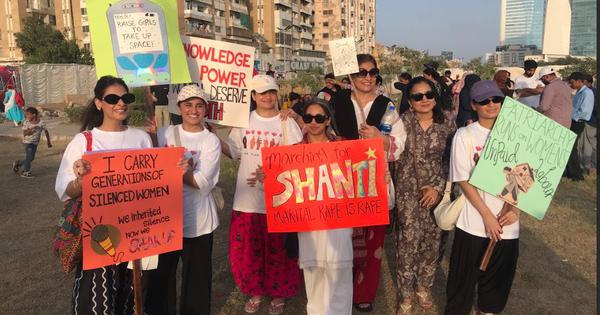
The recent manhandling of women associated with the Aurat March, including activist Sheema Kermani, once again revealed how deeply unsettled society remains by women who refuse silence. But perhaps this discomfort begins much earlier than protests or slogans. It begins in childhood itself.
Little girls are raised on stories that reward obedience, softness, sacrifice, and waiting. From fairy tales to family structures, the ideal woman is often presented as a Cinderella figure: patient, selfless, beautiful in suffering, and ultimately rewarded not for changing her circumstances, but for surviving them quietly until ‘rescue’ arrives in the form of Prince Charming. Her goodness lies not in courage or intellect, but in how much injustice she can bear without retaliation.