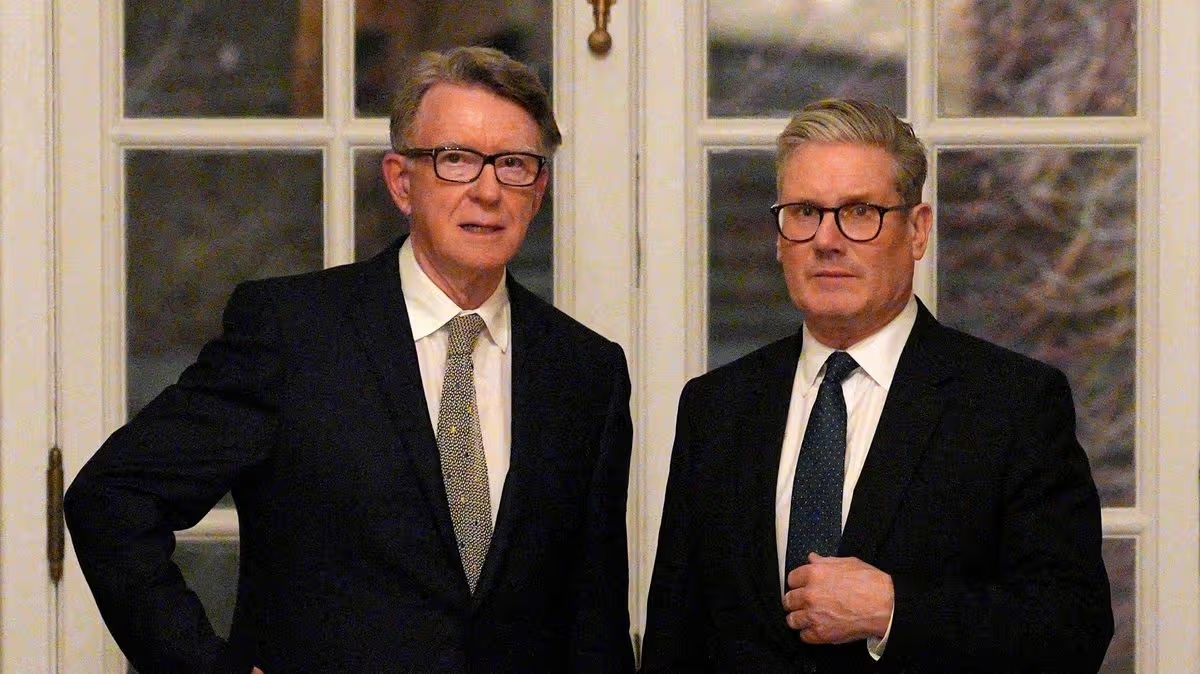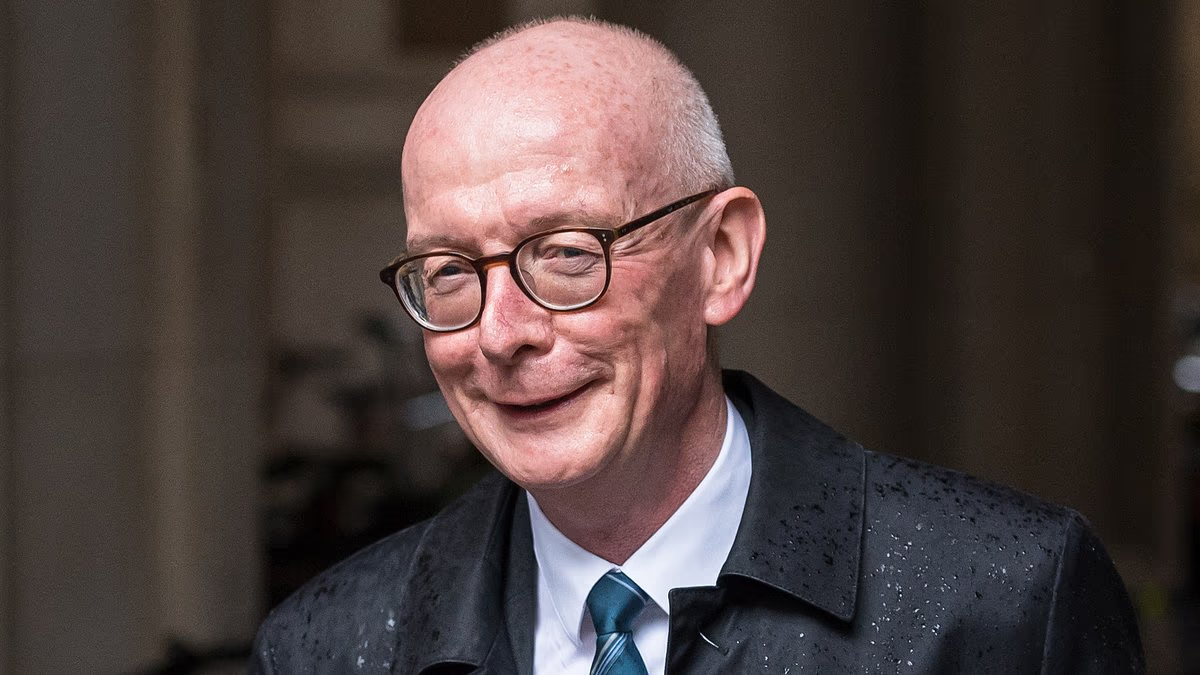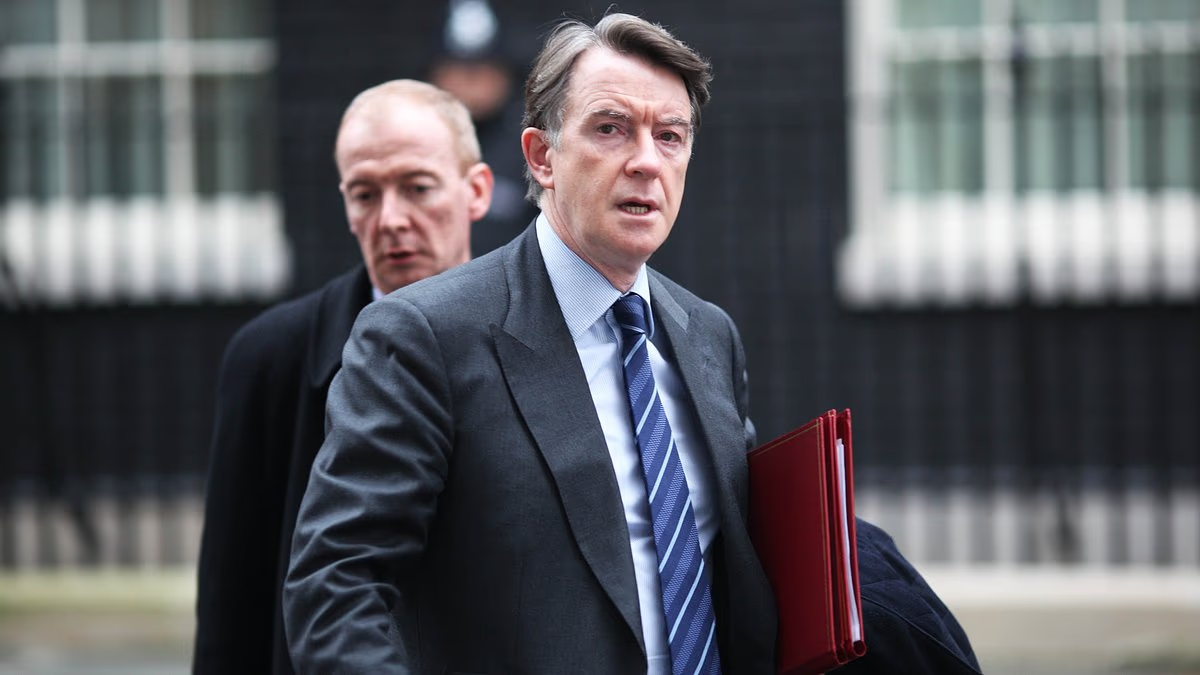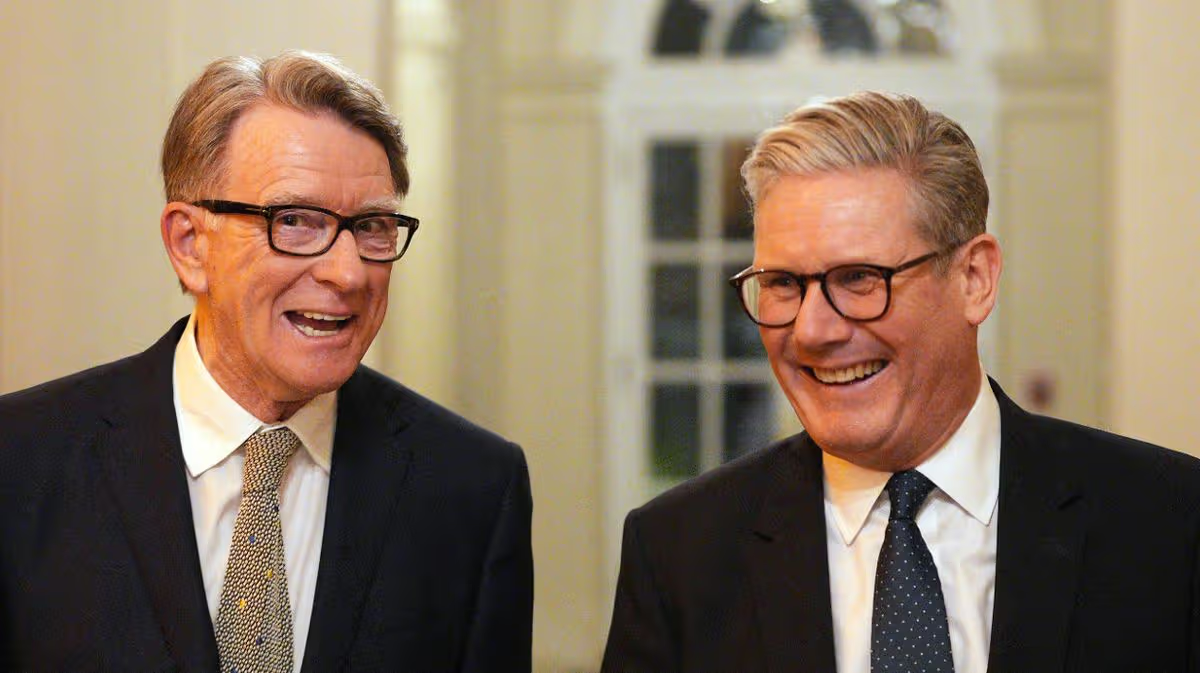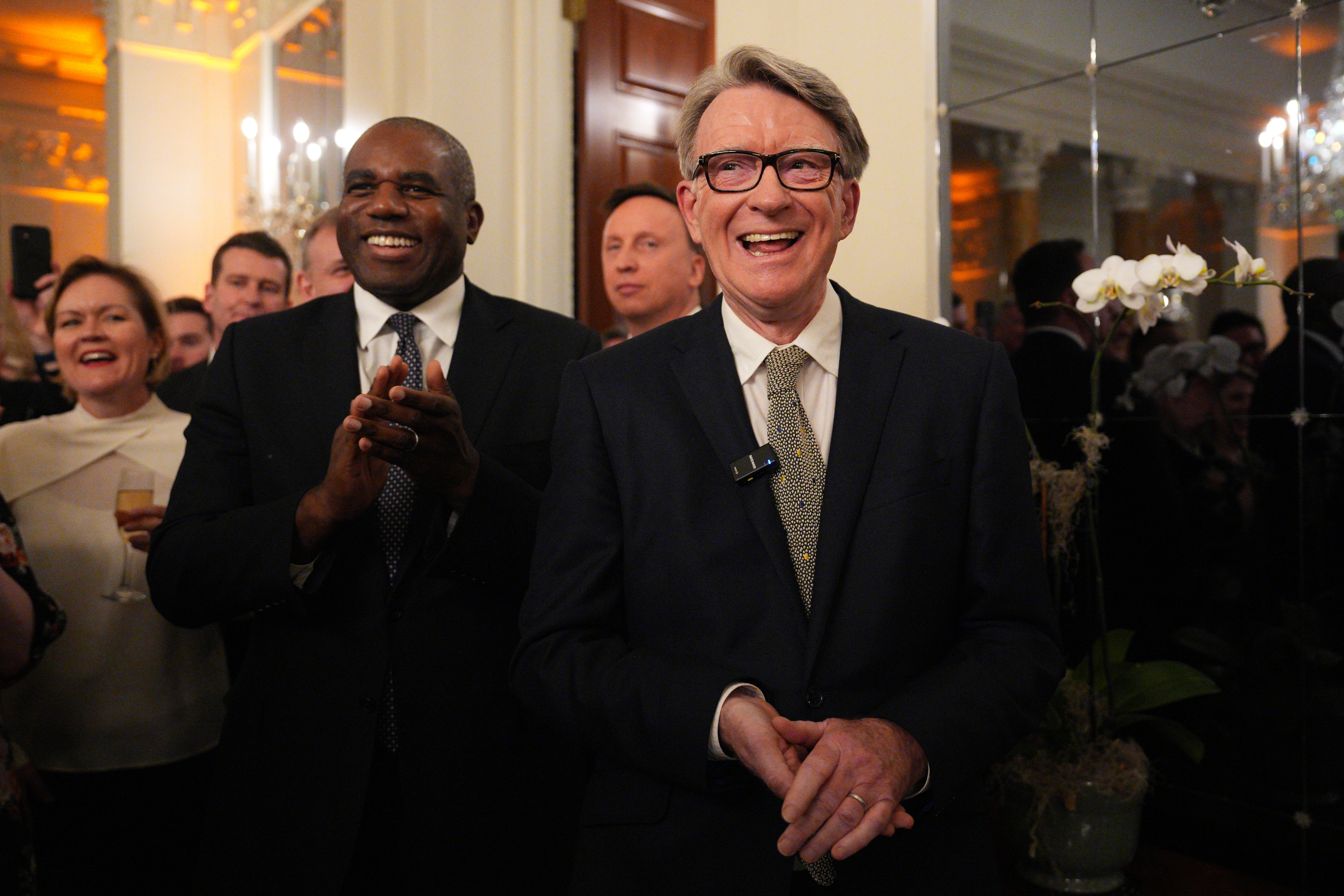
The nation is gripped by Labour’s turbulent, white-collar political soap opera: the juicy WhatsApp leaks, declassified docs sent by the snaky Lord Peter Mandelson, political bitching, leadership manoeuvres, wild speculation, rows and rifts. Few notice that no women seem to feature in the messages.
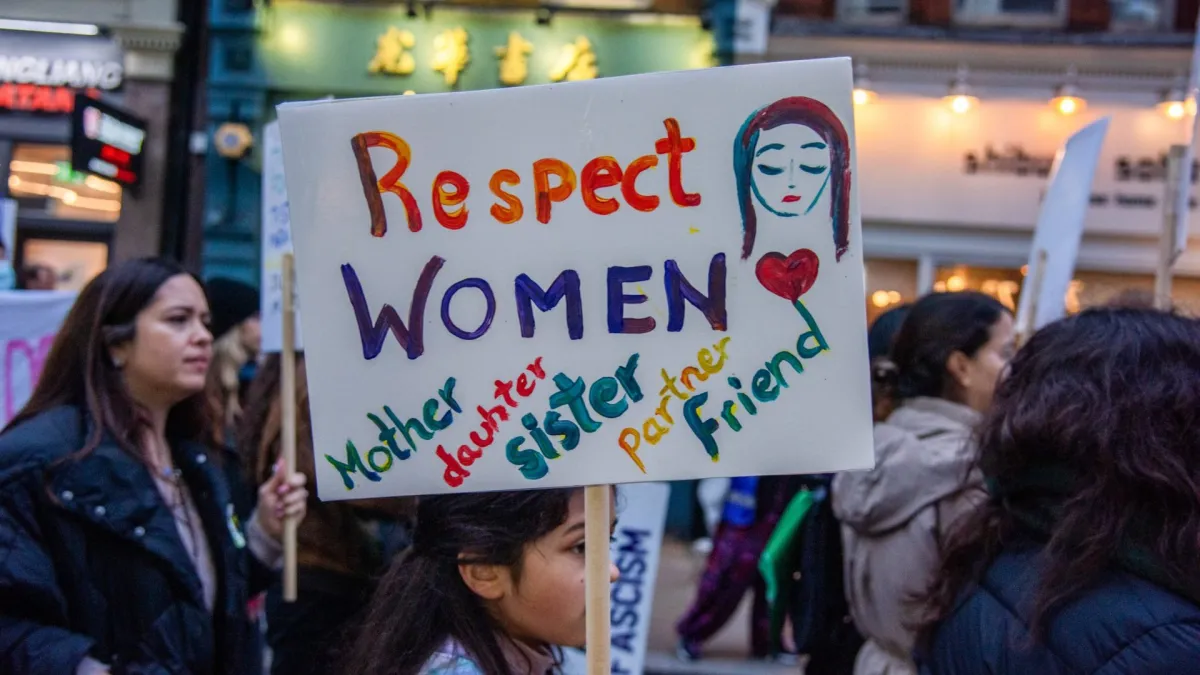
I felt dismayed that the party is still dominated by ambitious men, which is why Labour has never had a female leader. That led me to another desolate truth: in our disruptive, anti-woke era, aggressive masculinity, aided and abetted by some unreconstructed femininity, is pushing back all the progressive steps taken since the 1960s towards female equality.
Before I came to the UK in 1972, I understood female oppression – women and girls in African and Asian families in Uganda were treated as lesser creatures. Boys in my extended family were served first, got the best cuts of meat and bigger chunks of chocolate. Girls had to put up and shut up. I didn’t shut up and so was whacked often by one fat uncle in particular. That sense of injustice was within me, but it had no intellectual underpinning.
In my first years as a post-grad scholarship student at Oxford University, those emotions were shaped into ideas and causes. I read Germaine Greer’s The Female Eunuch, Simone de Beauvoir’s The Second Sex, Angela Y. Davis’s autobiography, and Andrea Dworkin’s Woman Hating. In 1977, I joined a radical feminist collective. One day, we built a fire and burned our bras. Mine was black, lacy and beautiful. I cried on the way home. Soon after this, I got pregnant and left the group. They were a hard bunch of women, but they expanded my mind and made me think about male domination and female subjugation, as well as self-abasement.