We were told we couldn’t take a joke, and that social media isn’t real life. Now the misogyny of early chatrooms and Gamergate has reached the White House
W
hy has it taken so long for us to treat misogyny as a political problem? The modern manosphere has been metastasising for many years – and for years, mainstream culture has responded with a helpless shrug. There was nothing unusual about men hurting women, even if the technology was new.
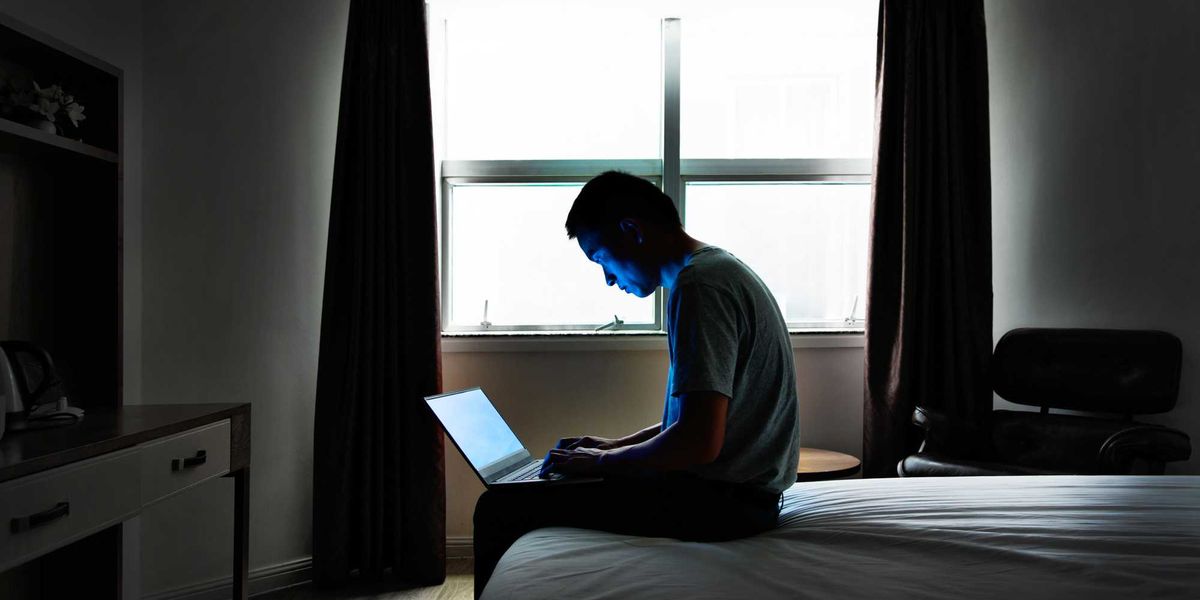
In the early aughts, angry and alienated men began indulging in recreational misogyny online, bombarding women and girls in the public eye with threats, insults, harassment, hacking, and hideous “revenge porn”. Strange as it may now sound, though, “the internet” was still seen as separate from “real life”.
That, at least, was what I was told the first time I went to the police about the death threats I was receiving as a young columnist. Nothing could be done, because what happened on social media wasn’t real and didn’t count. If I didn’t like it I should get offline, and presumably continue my work via rotary phone and fax. Those of us who were early targets of what would become the manosphere did not have the luxury of ignoring the issue. For us, it was easy to see that this was something new and serious, easy to understand how the tactics used against us might be deployed elsewhere – and how quickly matters could escalate.