For anyone who has watched ocean waves or fast moving water, turbulence can seem like pure chaos. Powerful currents twist and churn, creating swirling eddies that split into smaller and smaller vortices until their energy eventually fades away.
For decades, scientists have believed this process follows a predictable pattern. In three dimensional environments such as oceans and the atmosphere, energy is thought to move from larger structures down to smaller ones. New research suggests that rule may not be as fixed as previously thought.
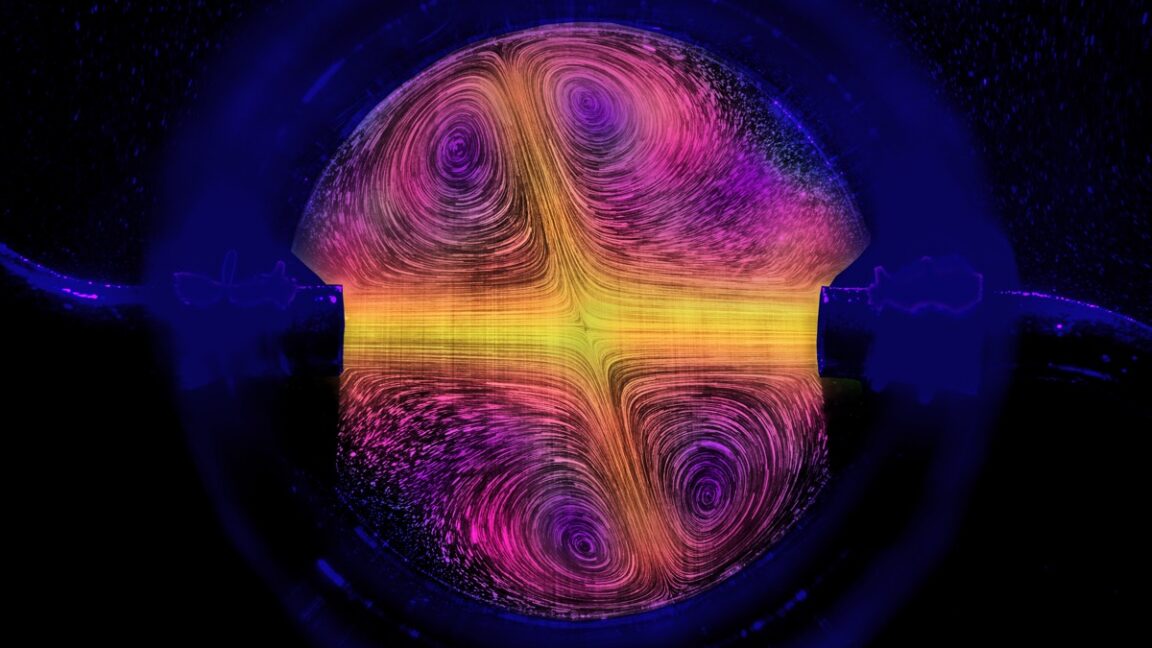
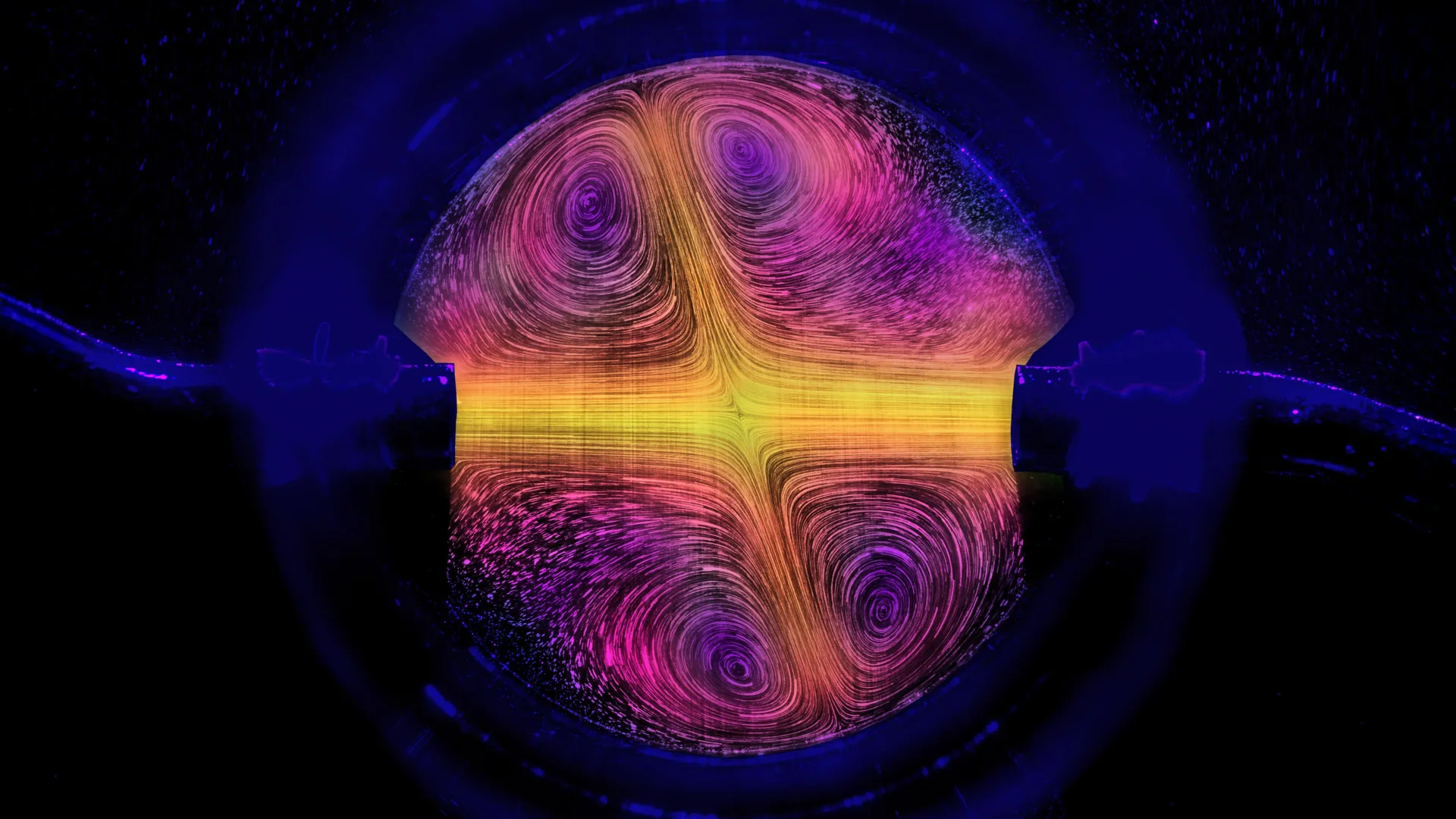
Researchers at the University of Pittsburgh, working with collaborators from the University of Turin in Italy, have discovered that the direction of energy flow in turbulence can actually be altered. Their findings, published in Science Advances in the paper "Manipulating the direction of turbulent energy flux via tensor geometry in a two-dimensional flow," could have implications for medicine, coastal management, and climate science.
Challenging a Fundamental Theory of Turbulence
The work was led by Lei Fang, assistant professor in the Department of Civil and Environmental Engineering at Pitt's Swanson School of Engineering, along with PhD student Xinyu Si, Filippo De Lillo, and Guido Boffetta.