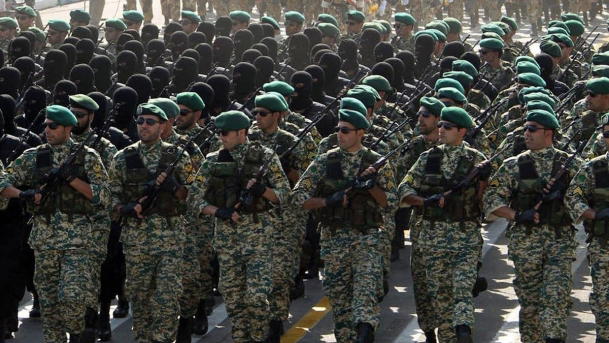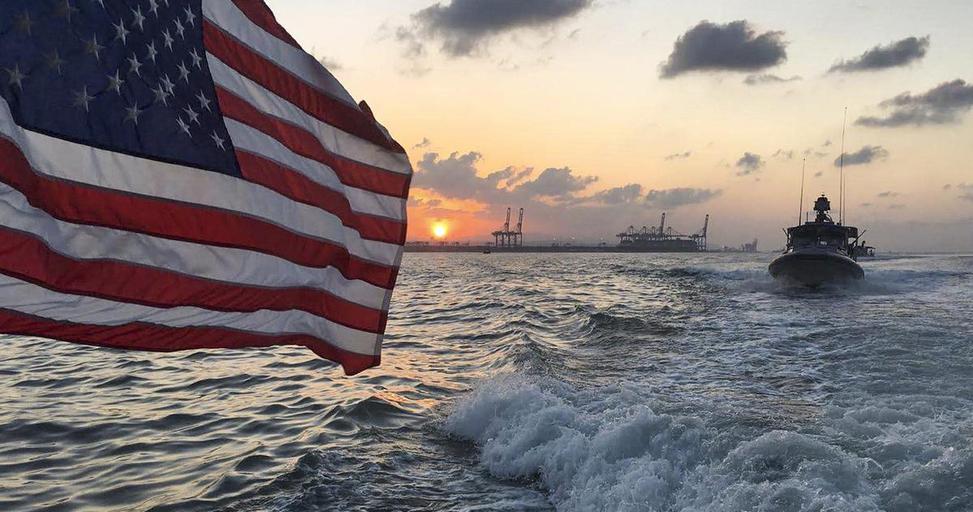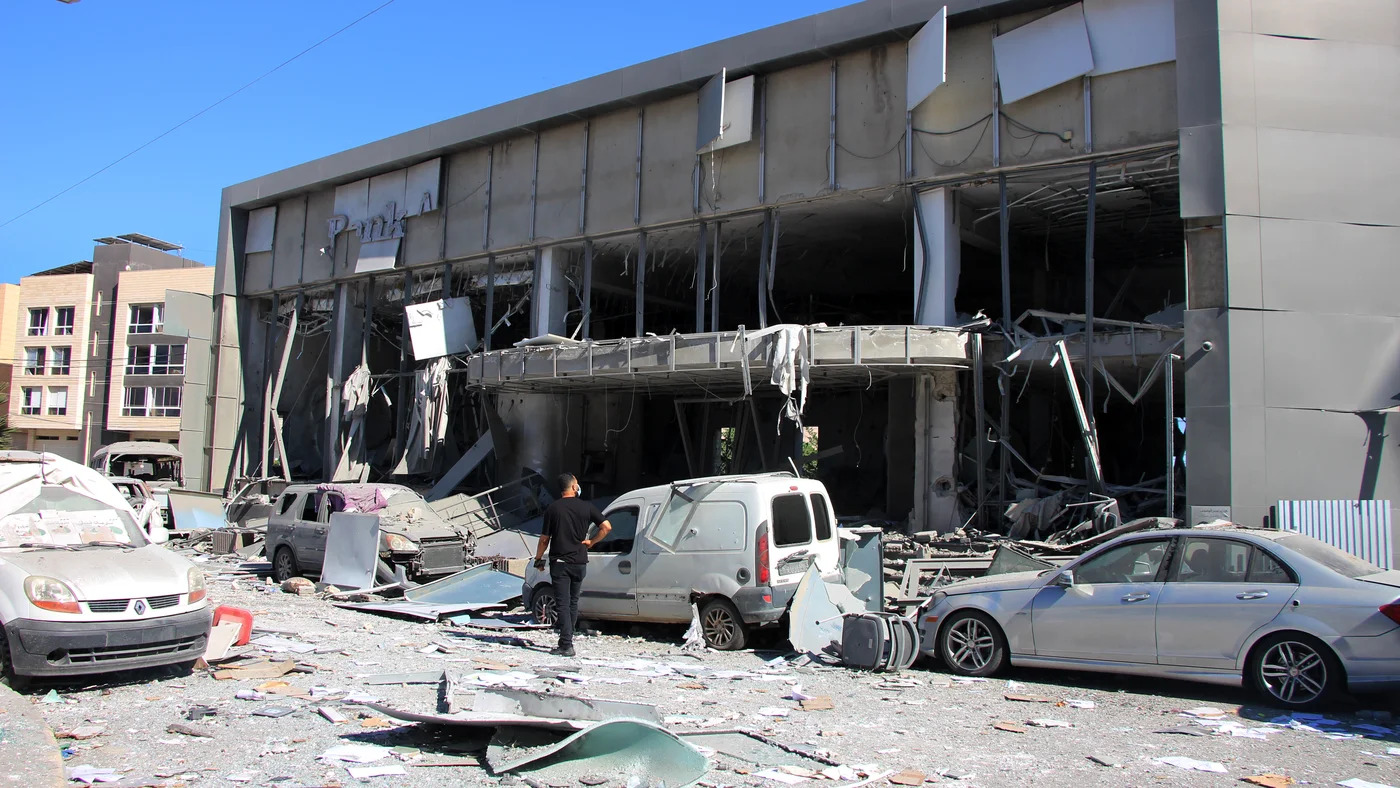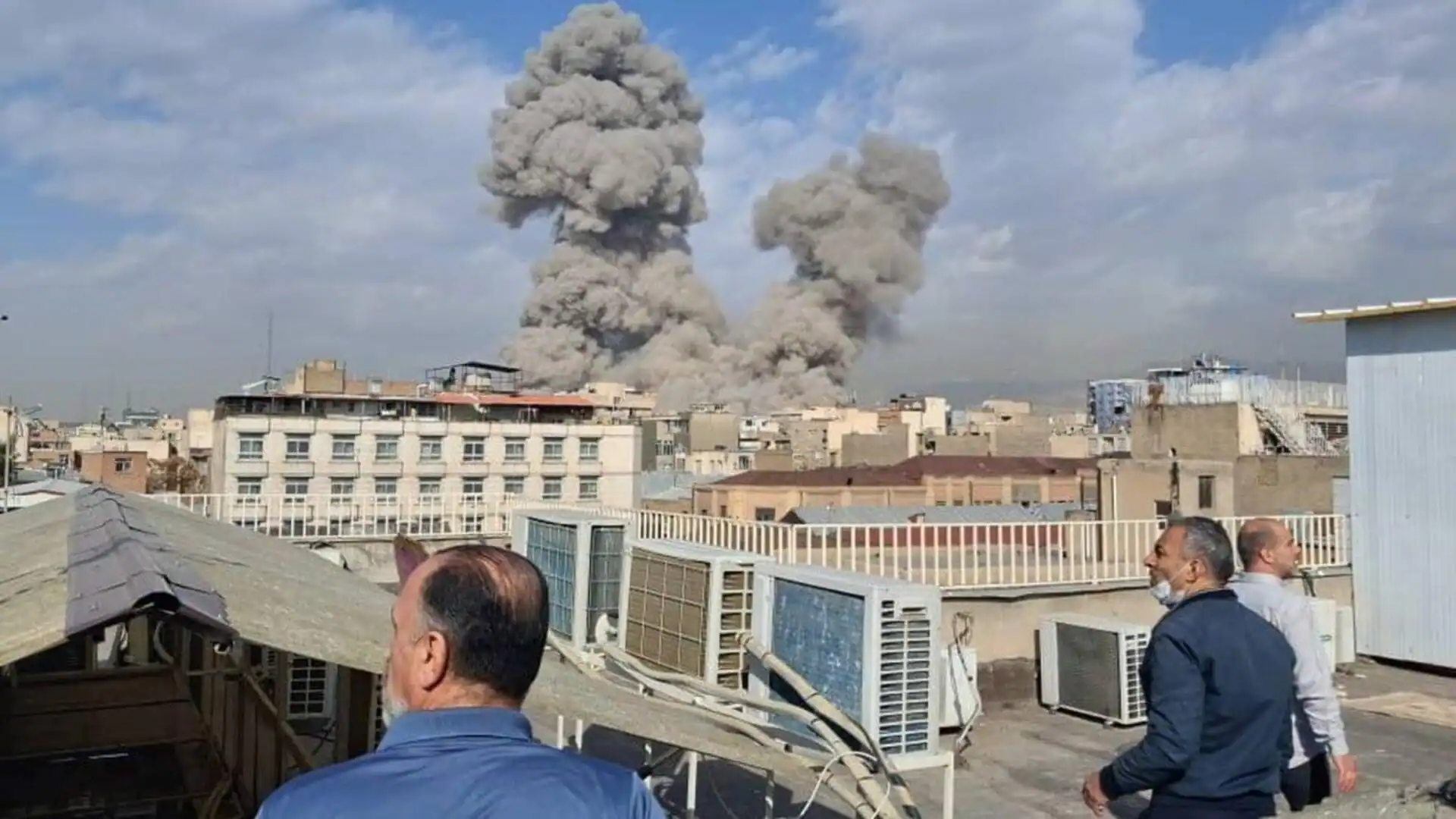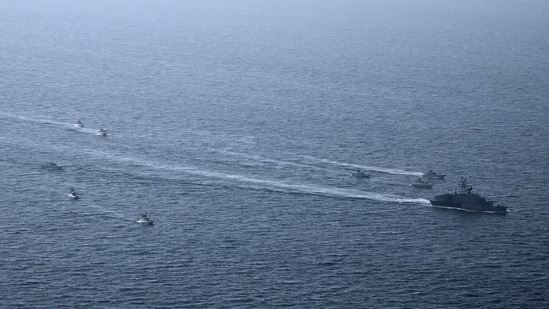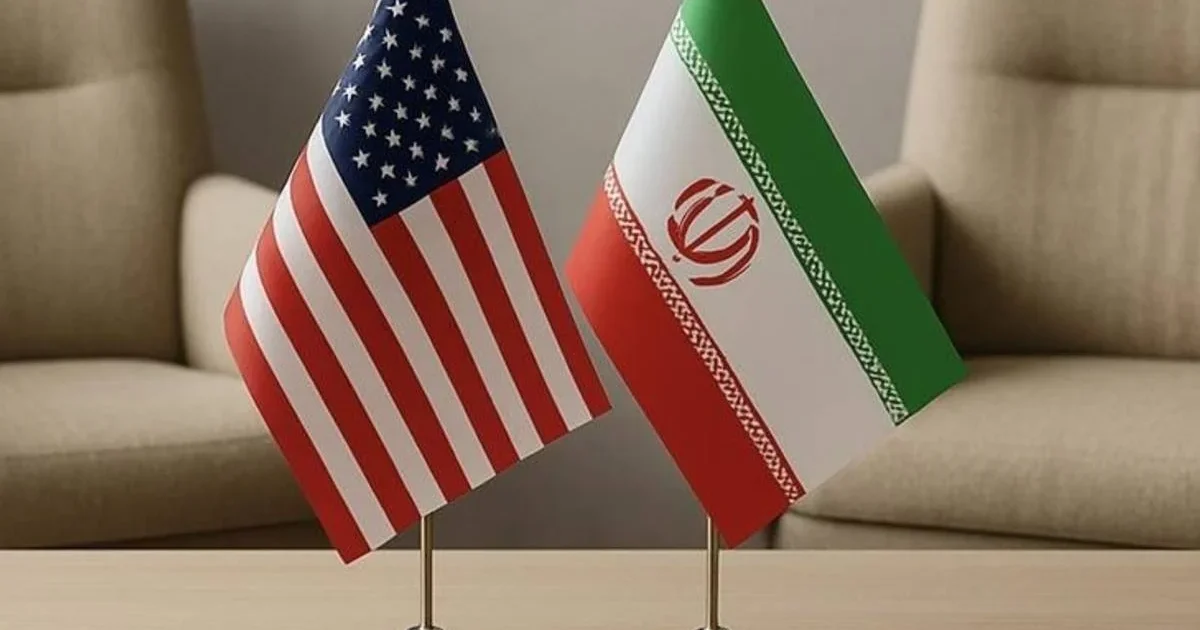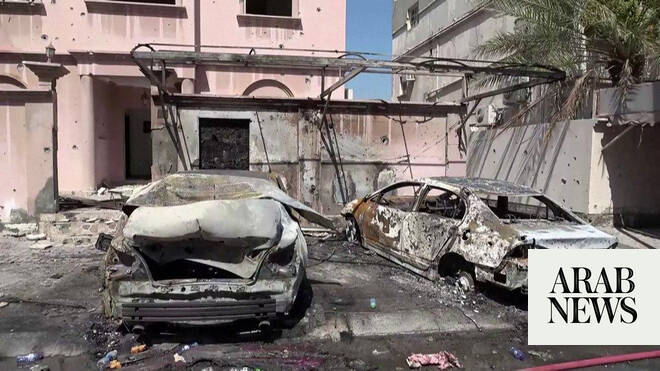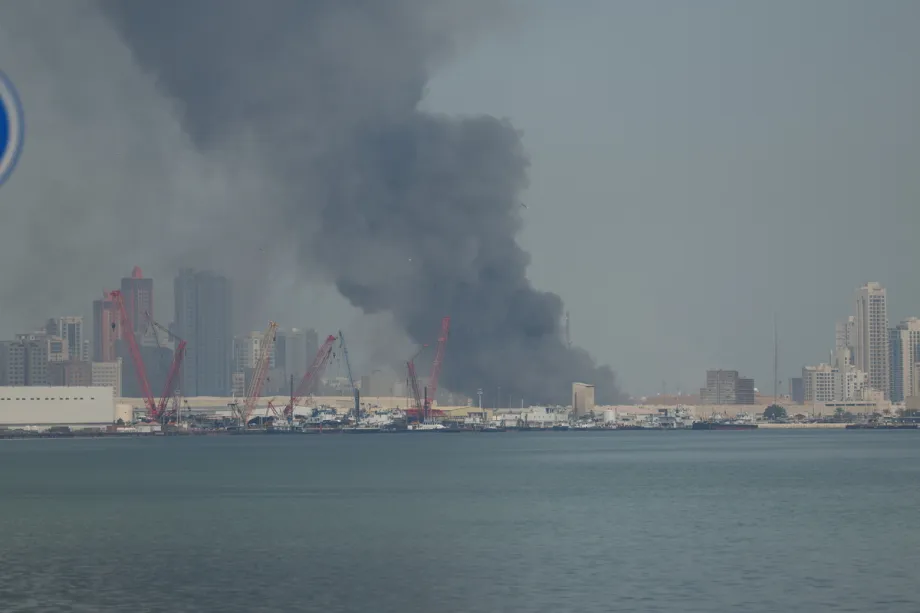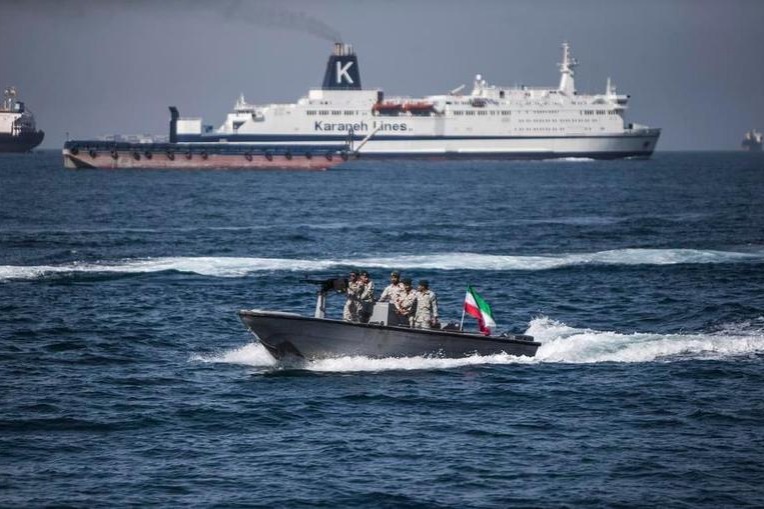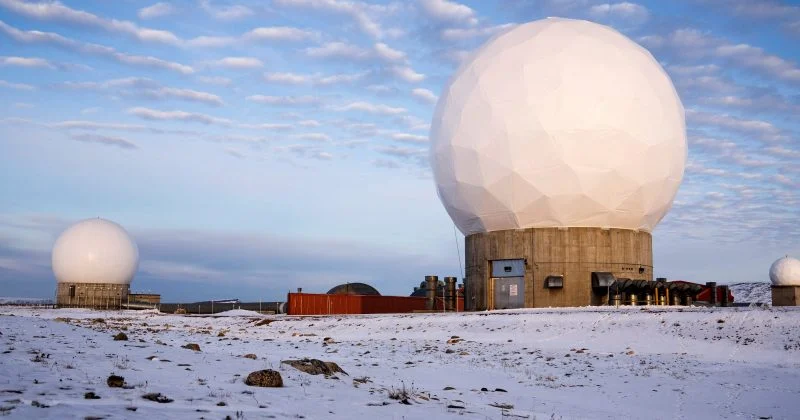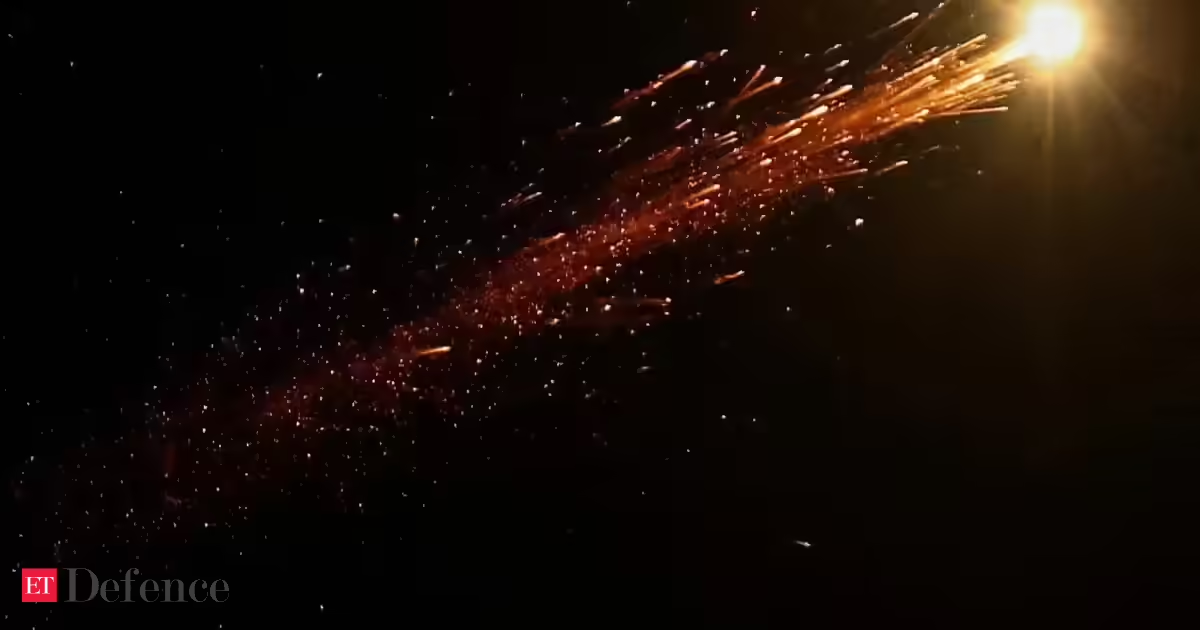
Iran's Revolutionary Guards on Wednesday claimed responsibility for missile and drone strikes targeting US military facilities in Kuwait and Bahrain, saying the attacks were carried out in retaliation for alleged US strikes on an Iranian oil tanker and an island.The Guards said the operation targeted key American military installations in the Gulf, marking a further escalation in tensions between Tehran and Washington.Also read: Indian national killed in Kuwait airport drone attack; Embassy extends support to family"In response to this aggression, the Ali Al Salem Air Base in Kuwait, which hosts helicopters, as well as the headquarters of the US Fifth Fleet in Bahrain, were targeted with missiles and drones by the Guards' forces," the Guards said in a statement on their official Telegram channel.It's Trump's claim vs IranThe Iranian claim came as US President Donald Trump said negotiations between Washington and Tehran remained on track, asserting that Iran had already agreed not to develop a nuclear weapon.Speaking during a podcast interview, Trump said Iran's supreme leader was involved in the ongoing discussions with the United States."They say Ayatollah is giving approval in talks," Trump said, without elaborating on the negotiations."They've already agreed they're not going to have a nuclear weapon," he added, referring to talks over Iran's nuclear programme.Trump suggested that a broader understanding between the two sides may already be taking shape and reiterated that discussions were continuing. He also said Iran's Ayatollah was directly participating in the negotiations.You may follow our live coverage of the West Asia war here"We don't need boots on the ground now," Trump said when asked about the possibility of US military involvement.The US president also voiced concern over rising tensions elsewhere in the region, saying he was troubled by Israeli Prime Minister Benjamin Netanyahu "constantly fighting with Lebanon."Trump's remarks came amid continued diplomatic efforts between Washington and Tehran aimed at curbing nuclear tensions and preventing further instability in the Middle East. Preventing Iran from acquiring nuclear weapons has remained a central objective of his administration, even as negotiations continue.
Iran claims responsibility for attacks on US Fifth Fleet HQ, Kuwait air base
Iran's Revolutionary Guards have claimed responsibility for attacks on Kuwait and Bahrain. The strikes targeted the Ali Al Salem Air Base in Kuwait and the US Fifth Fleet headquarters in Bahrain. These actions were stated as retaliation for US attacks on an Iranian oil tanker and island. The Guards announced their operation via their official Telegram channel.
TL;DRAI
Iran's Revolutionary Guards claimed missile and drone attacks on US bases in Kuwait and Bahrain, retaliating for alleged strikes on an Iranian oil tanker. Trump claims Iran agreed not to develop nuclear weapons as US-Iran talks continue amid Middle East escalation.
336 words~2 min read