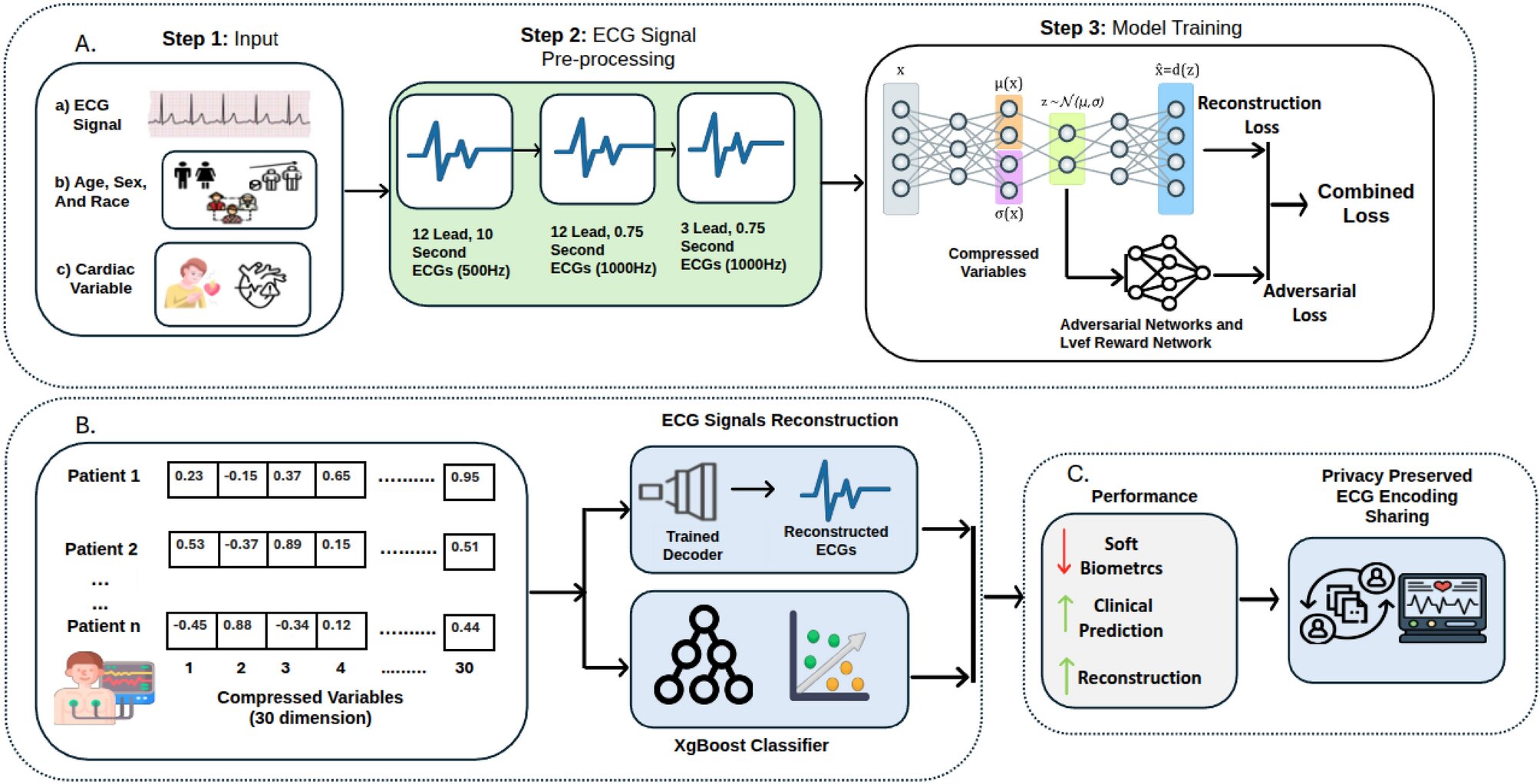
Somewhere inside a foundation model trained on millions of supposedly de-identified electronic health records, a ghost lingers. Not a literal one, of course, but a data spectre: the clinical history of a patient whose records were stripped of names, addresses, and social security numbers before ever touching an algorithm. The model was never supposed to remember this person. It was supposed to learn medicine. Instead, it learned a patient.
This is the memorisation problem, and it is rapidly becoming one of the most consequential privacy challenges in clinical artificial intelligence. As healthcare systems worldwide rush to deploy foundation models trained on vast troves of electronic health record data, researchers are discovering that de-identification, the process long treated as the gold standard for protecting patient privacy, may not be enough. These models do not merely generalise medical knowledge from the populations they study. In some cases, they memorise individual patient records with enough fidelity that an adversary armed with the right prompts could extract sensitive clinical details about real people.
The implications are profound. A patient with a rare autoimmune disorder, an individual whose HIV status was recorded during a hospital visit, a person who sought treatment for substance use: these are precisely the kinds of patients whose records are most vulnerable to memorisation, because their clinical profiles are, by definition, unusual. And unusualness is exactly what makes data memorable to a machine learning model.