April 23rd, 2026
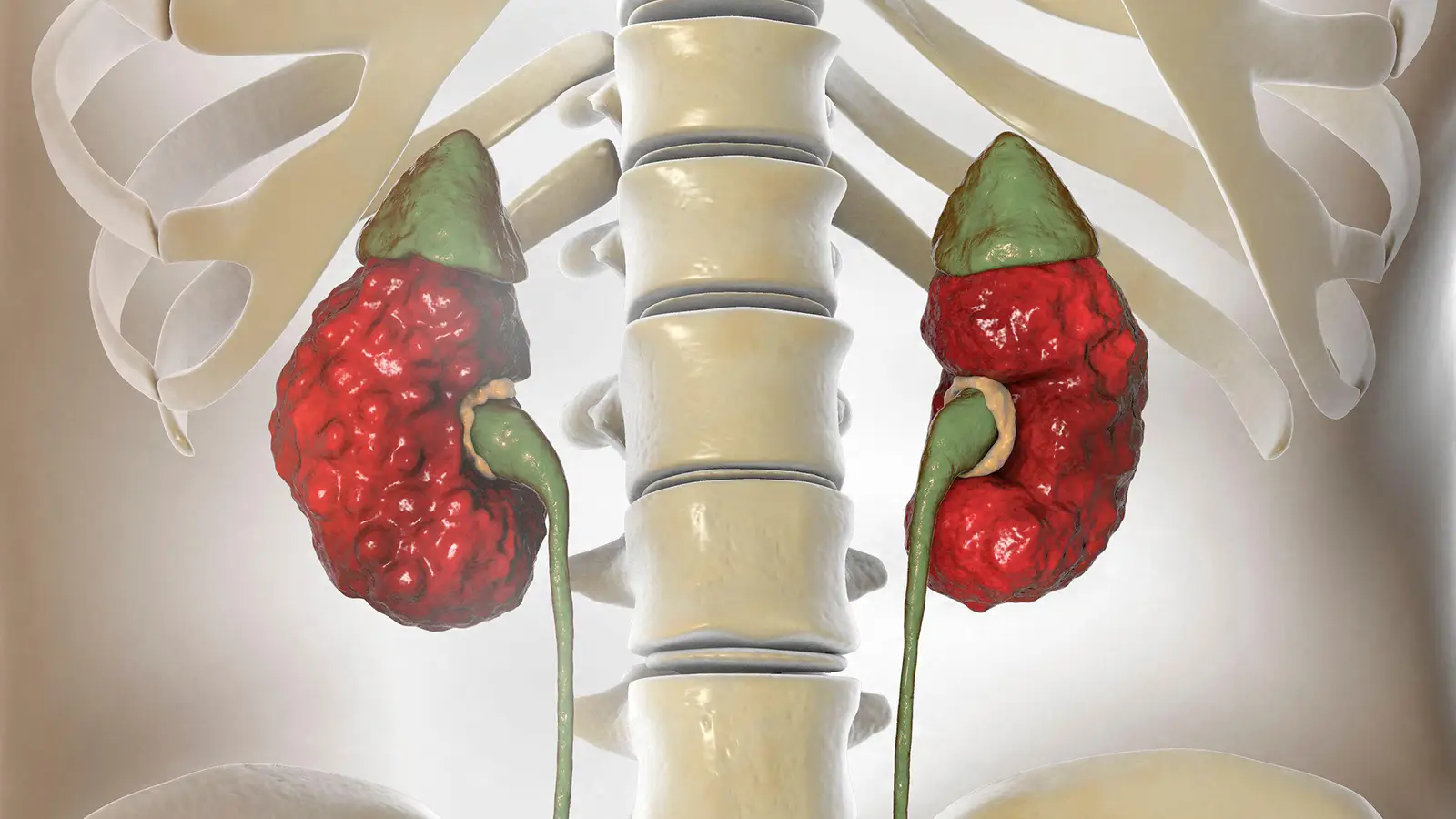
Chronic kidney disease is largely age-related, though can occur in younger people under some circumstances. It is one of a number of conditions in which research strongly implicates cellular senescence in its onset, progression, and pathology. Senescent cells accumulate in tissues with age. Cells become senescent throughout life, both on reaching the Hayflick limit to replication and in response to stress or damage. A senescent cell ceases replication, grows in size, and generates pro-inflammatory, pro-growth signaling that attracts the immune system and alters the behavior of surrounding cells. In the short term, this signaling is helpful. In youth, senescent cells are cleared efficiently by the immune system, but in later life this clearance falters allowing senescent cells to accumulate in number. Sustained senescent cell signaling contributes to chronic inflammation and disruption of tissue structure and function.
Today's open access paper reviews what is known of cellular senescence in kidney aging versus chronic kidney disease, and notes the arguments for and against considering chronic kidney disease to be a form of accelerated kidney aging. Either way, kidney disease and dysfunction is fairly high on the list of conditions that may be treated earlier rather than later in the development of senotherapeutic drugs that either selectively destroy senescent cells or modulate their behavior to be less harmful. The diabetic form of kidney disease is one of the few conditions for which an initial clinical trial using first generation senolytic drugs has taken place. The similarities between kidney aging and kidney disease might provide hope that low-cost senotherapeutics can meaningfully reduce the burden of dysfunction in older individuals.