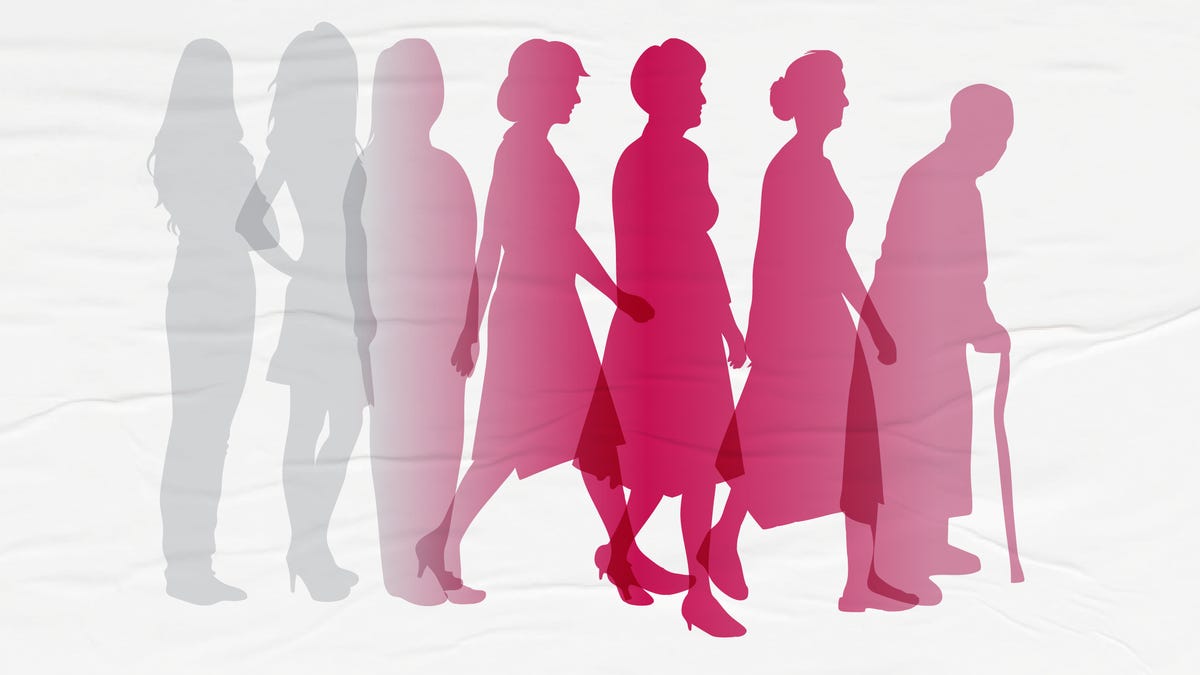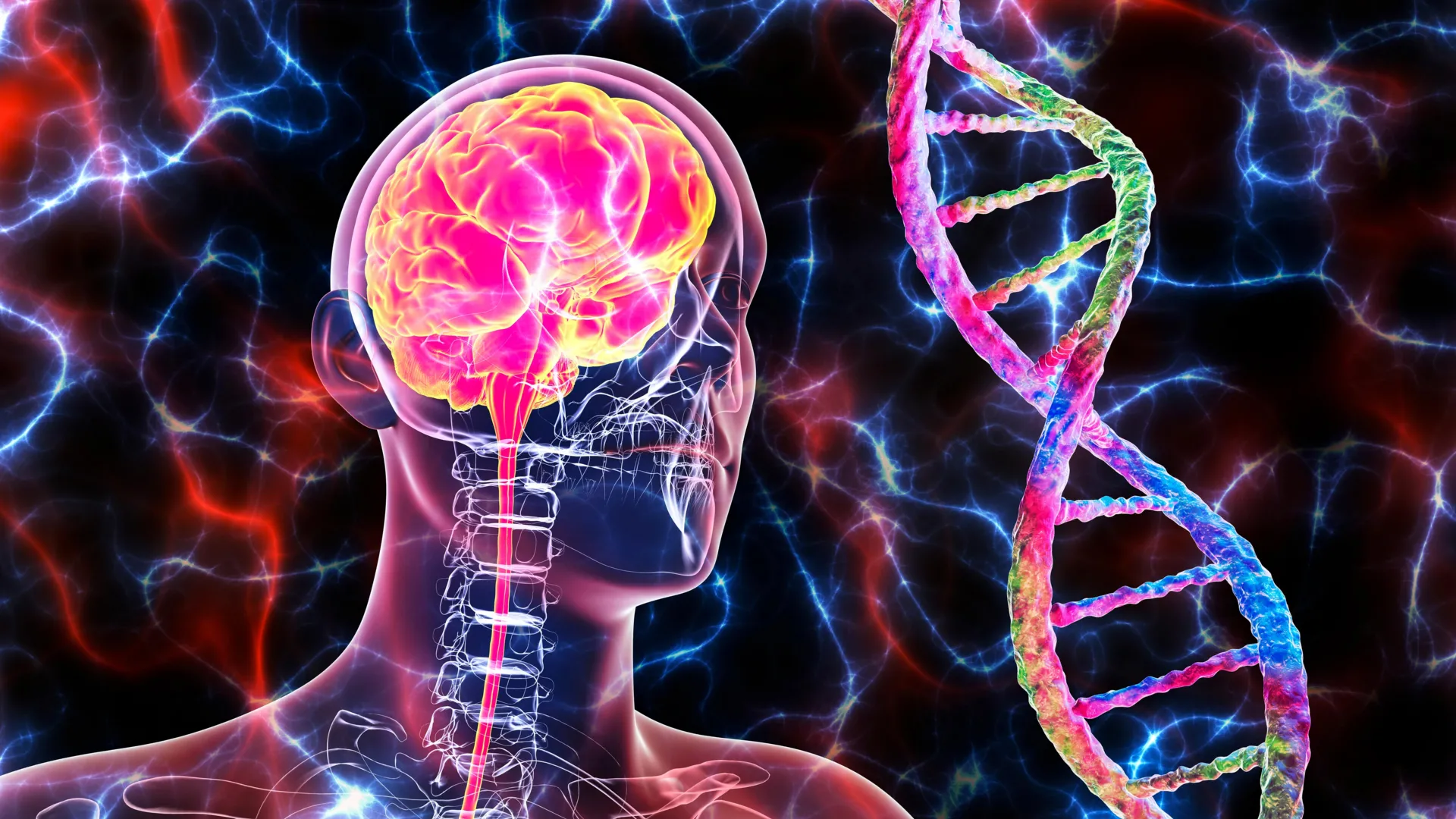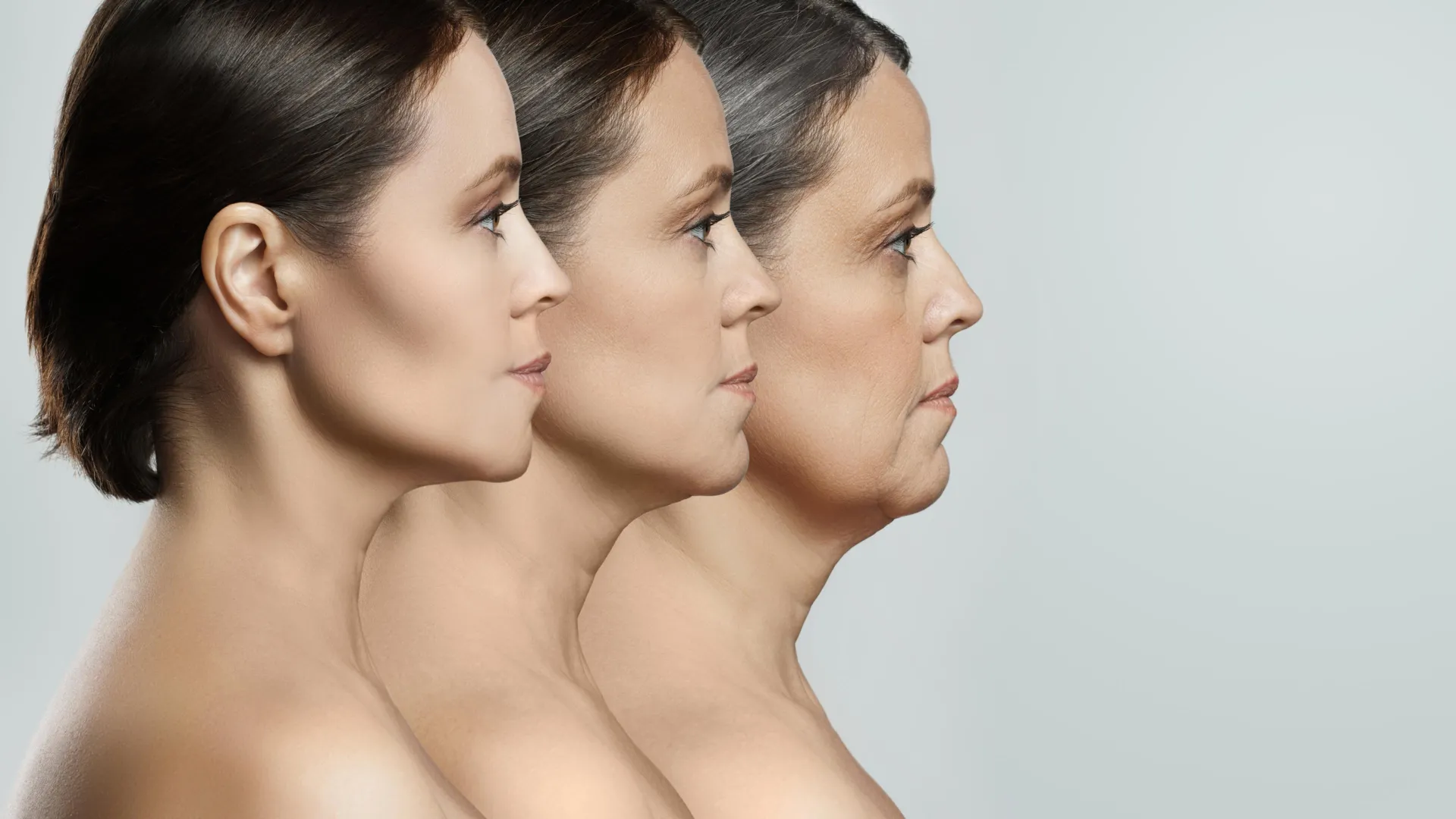
Researchers are offering a new way to understand why aging is so closely connected to chronic illness. In a review published in Aging-US titled "Aging as a multifactorial disorder with two stages," scientists from University College London and Queen Mary University of London describe a model suggesting that diseases linked to aging may develop through two separate but connected phases over the course of life.
The review was written by David Gems and Alexander Carver from University College London, along with Yuan Zhao from Queen Mary University of London. Their work combines ideas from evolutionary biology with findings from modern biomedical research to explain how early damage in the body may later contribute to diseases such as cancer, arthritis, and infections.
How Early-Life Damage May Shape Health Decades Later
According to the researchers, the first stage begins earlier in life when the body experiences various forms of disruption. These can include infections, physical injuries, or genetic mutations. While the body is often able to repair or contain much of this damage, some of it may remain hidden rather than being fully removed.
The second stage occurs later in life as normal genetic activity starts changing in ways that are no longer beneficial to the body. These late-life biological changes can weaken the body's ability to keep earlier damage under control. As a result, previously contained problems may gradually develop into disease.