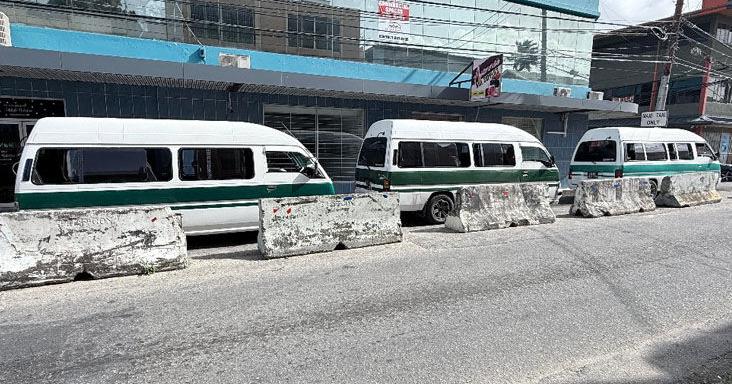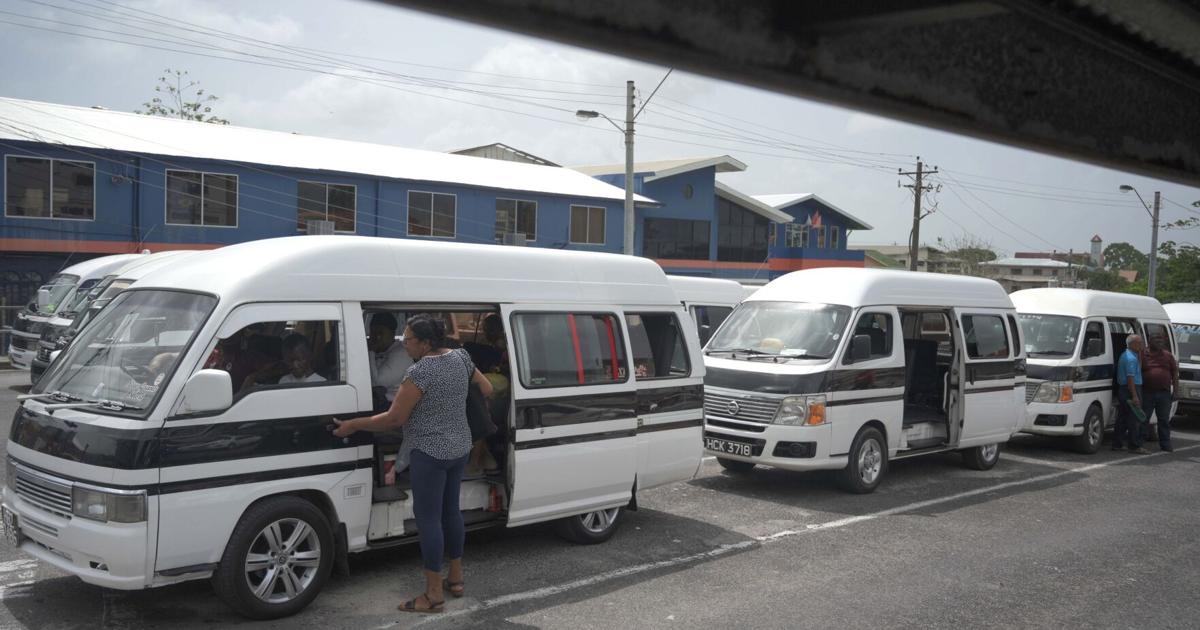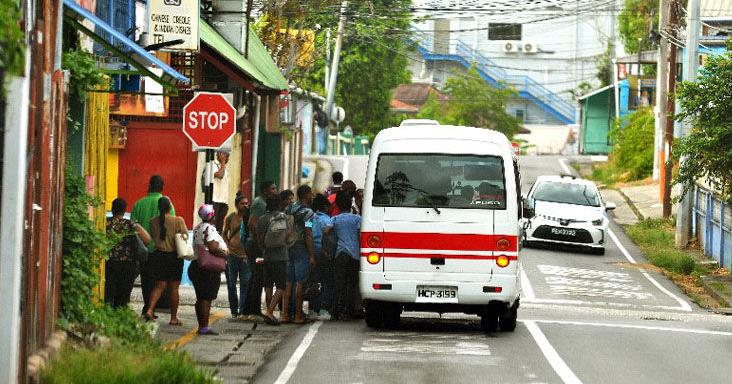
THE planned second day of a two-day strike by maxi-taxi operators hit a speed bump yesterday, with many drivers returning to the nation’s roads.The Express noted an increase in maxi-taxis at several areas across the country, including Curepe and Chaguanas, while in South Trinidad, brown and black band maxi-taxi operators were out in their numbers.On Monday, hundreds of commuters faced difficulties for transport as operators from all six routes held their first day of “rest and reflection” over a series of issues, including illegal competition by unlicensed “PH” vehicles and white buses.Several maxi-taxi associations met with Minister of Transport and Civil Aviation Eli Zakour for a marathon, nearly five-hour meeting on Monday on these issues and though some reported leaving dissatisfied, only the Route Two Taxi Association confirmed that the strike would continue.Yesterday, the association resumed operations from 6 p.m., though president Brenton Knights said the fight is far from over.Asked what influenced the decision to return to service despite not receiving a written commitment from the Transport Minister to address the association’s concerns, Knights told the Express that commuters were a major consideration.“The reason we took that stand is that we saw that the commuters were going through something that we really didn’t want them to, and we saw our drivers and supporters were getting a little weary,” he said.He added that the association recognised the need to rethink its approach.“If you do something over and over and expecting different results, that is a level of insanity. So, we know for a fact that we need to regroup, wheel and come again and approach this from a different angle,” Knights said.He said the association has several options available, including continuing negotiations in good faith, pursuing legal avenues, and what he described as “the element of surprise”.“Unfortunately, we have to ensure we always continue to be in the powers that be space,” he added.Knights said Zakour’s position appears to be that significant work is already being done within the ministry and the association has little reason to complain about its outstanding issues.“He made a comment in the meeting that the association did not take action nine or ten years ago, which is totally untrue,” Knights said.He added: “They are politicians and creatures of politics.”Few passengers waitingWhen the Express visited red band maxi-taxi stands on St Joseph Road, Arima, yesterday morning, there were barely any passengers on the stand. It was observed that while there were no long lines of maxi-taxis waiting for passengers, a maxi-taxi would occasionally pull up to the stands, pick up passengers, and leave immediately.About 7 a.m., one young woman said she had just reached the stand.Another passenger said she was happy that maxi-taxis were working as she had to wait for hours before getting a maxi to get to work on Monday.Approximately five minutes later, a maxi-taxi pulled onto the Bus Route stand, and the 15 people who were waiting hurriedly made their way into the vehicle.About 6.50 a.m., the Express saw long lines of passengers waiting at the Arima Bus Terminus in passing, but by 7.30 a.m., the lines had noticeably cleared up.Association thanks membersIn a notice issued to members and stakeholders, the association thanked supporters for their cooperation.“This action was taken after months of patience, diplomacy, and empty verbal assurances. We continue to stand firm on the issues that affect the daily livelihoods, safety, and financial survival of every single red band operator,” the notice stated.According to the notice, the association remains committed to what it described as its “just demands”.It stated that while other routes chose to return to the roads to allow the ministry time to deliberate, Route Two members made it clear that they require official written commitments before altering their position.The association outlined several issues it wants addressed, including increasing the highway speed limit for maxi-taxis from 65 km/h to 80 km/h to improve safety and route productivity, and a legal crackdown on unregulated “PH” vehicles operating on established routes.Other demands include the upgrading of transport hubs and terminals; introduction of clear, written rules governing the transfer of vehicle licences in cases of illness or bereavement; settlement of outstanding school transport arrears; and creation of a structured system for self-employed National Insurance System (NIS) contributions.—with reporting by Sherlan Ramsubhag
Maxi-taxi strike ends on day two
THE planned second day of a two-day strike by maxi-taxi operators hit a speed bump yesterday, with many drivers returning to the nation’s roads.The Express noted an increase in maxi-taxis
709 words~3 min read