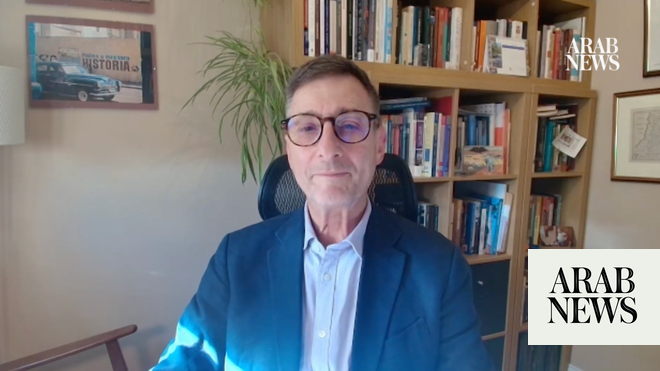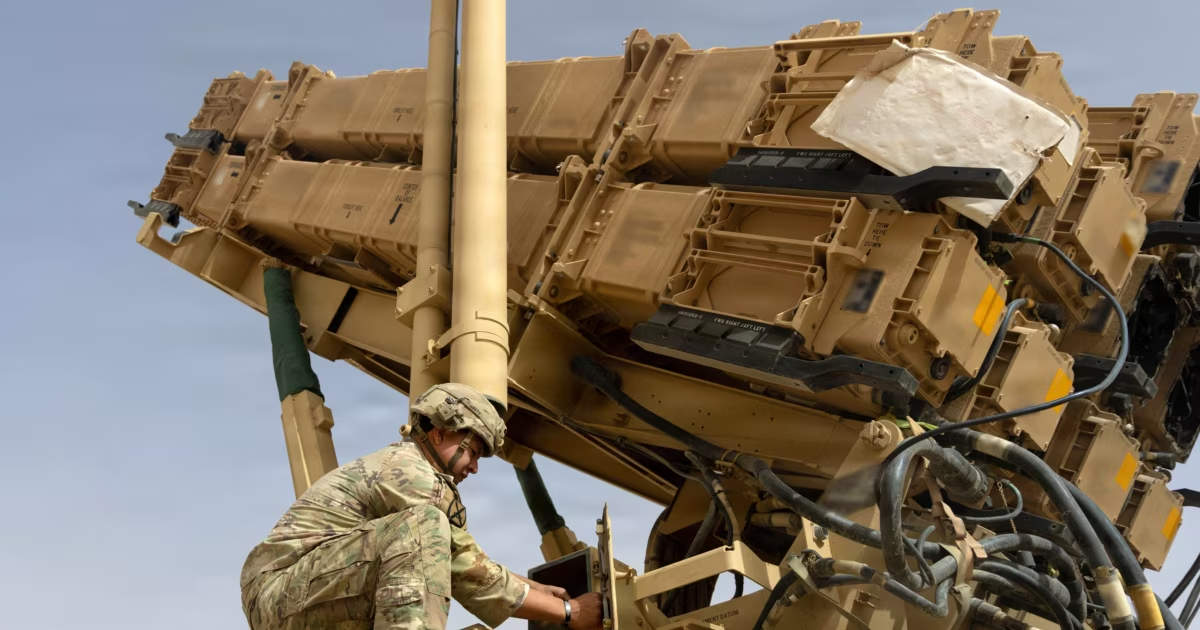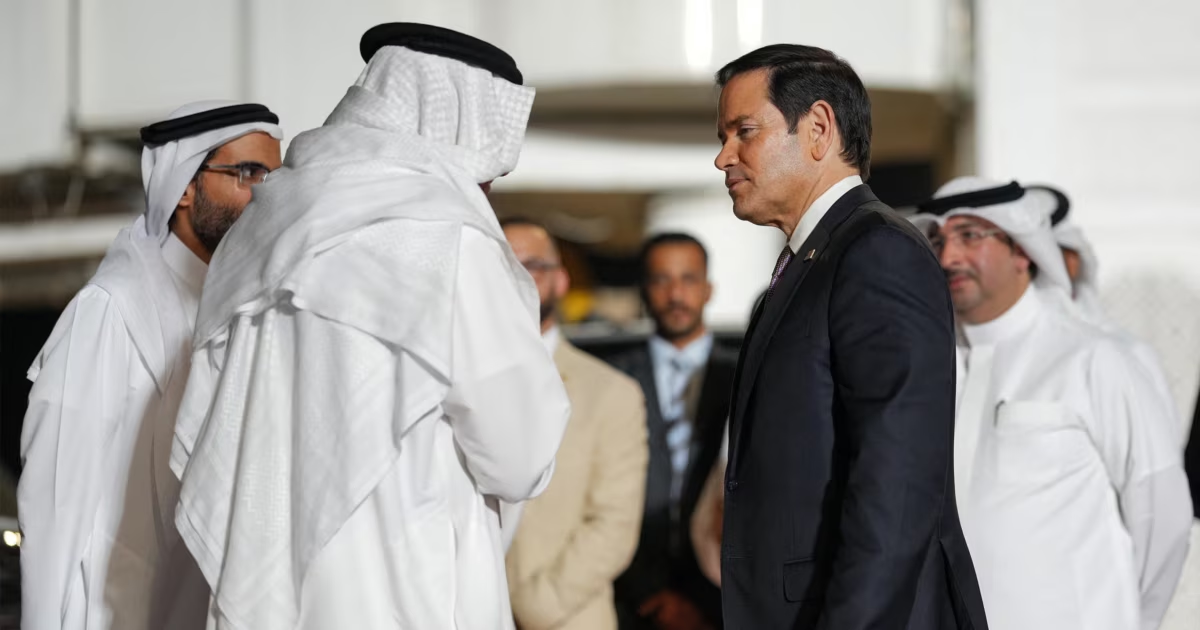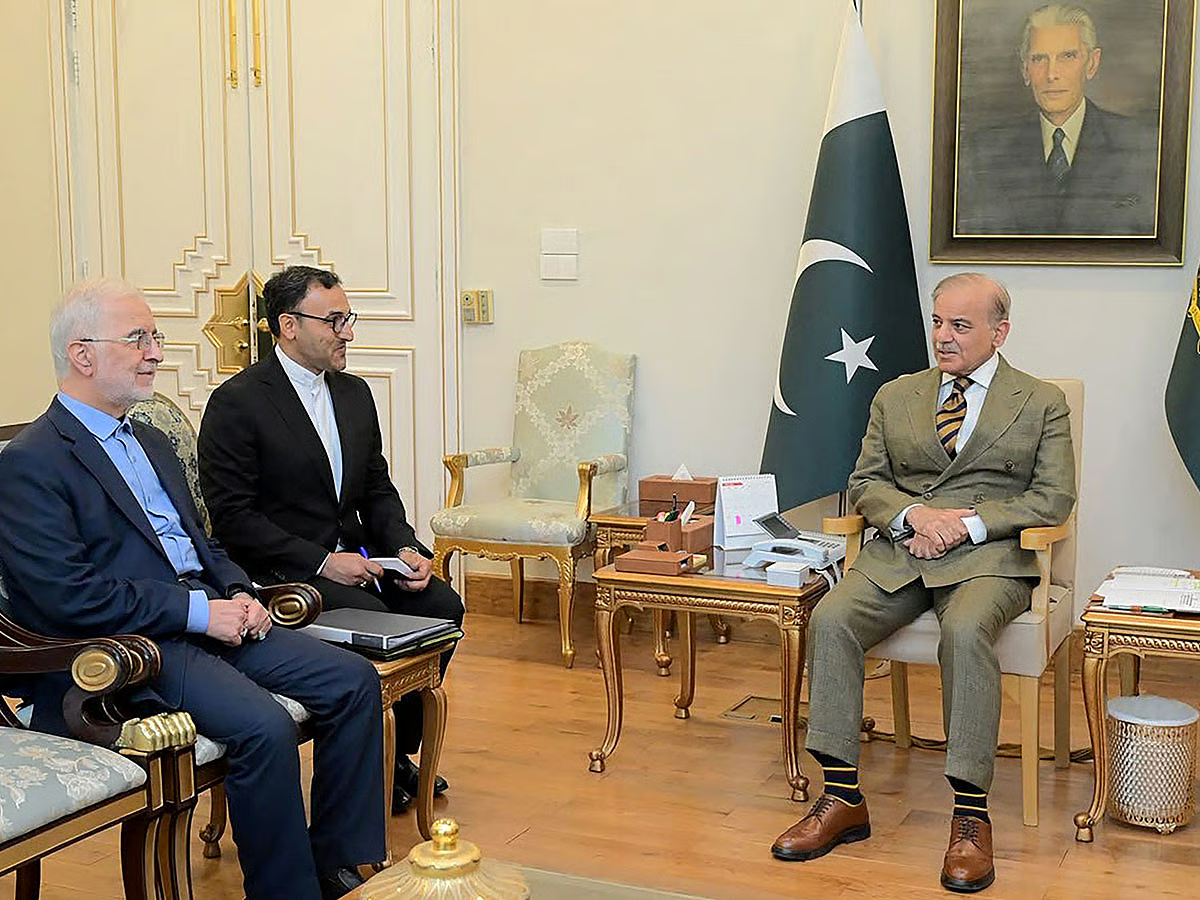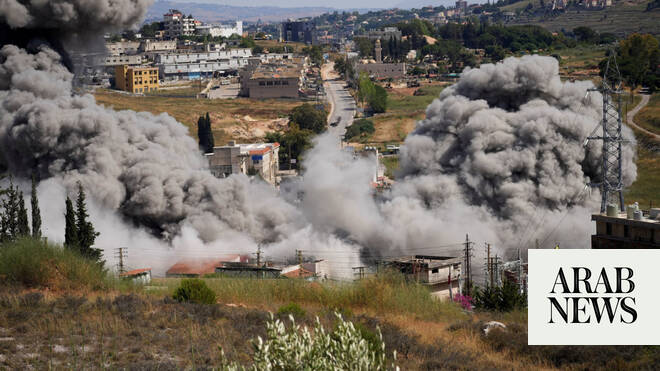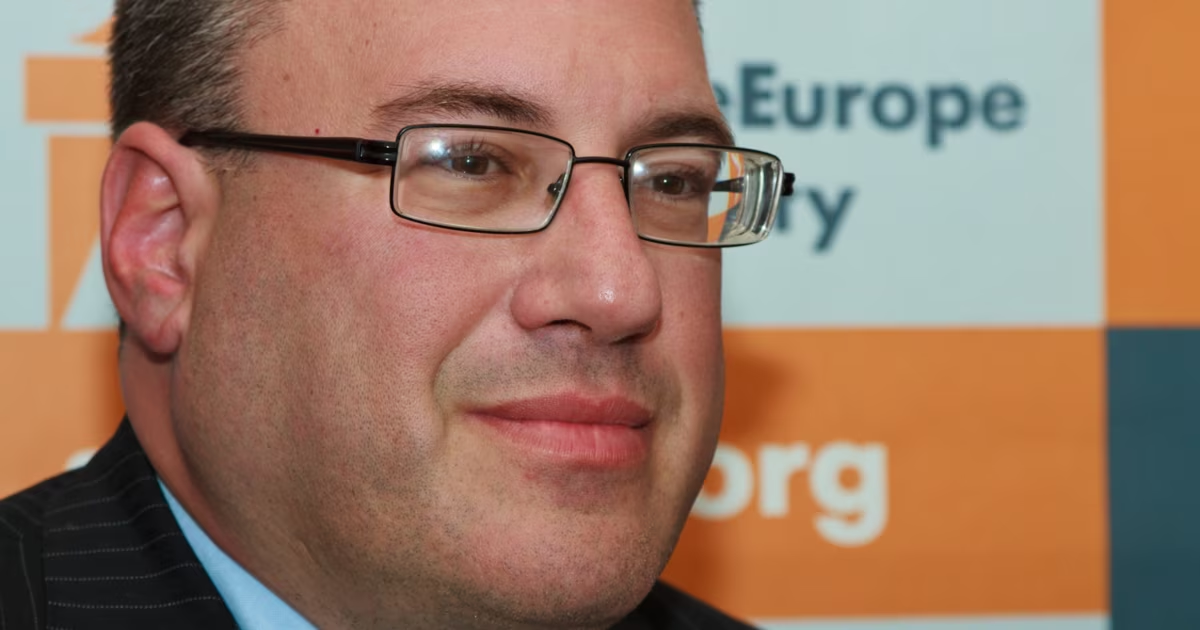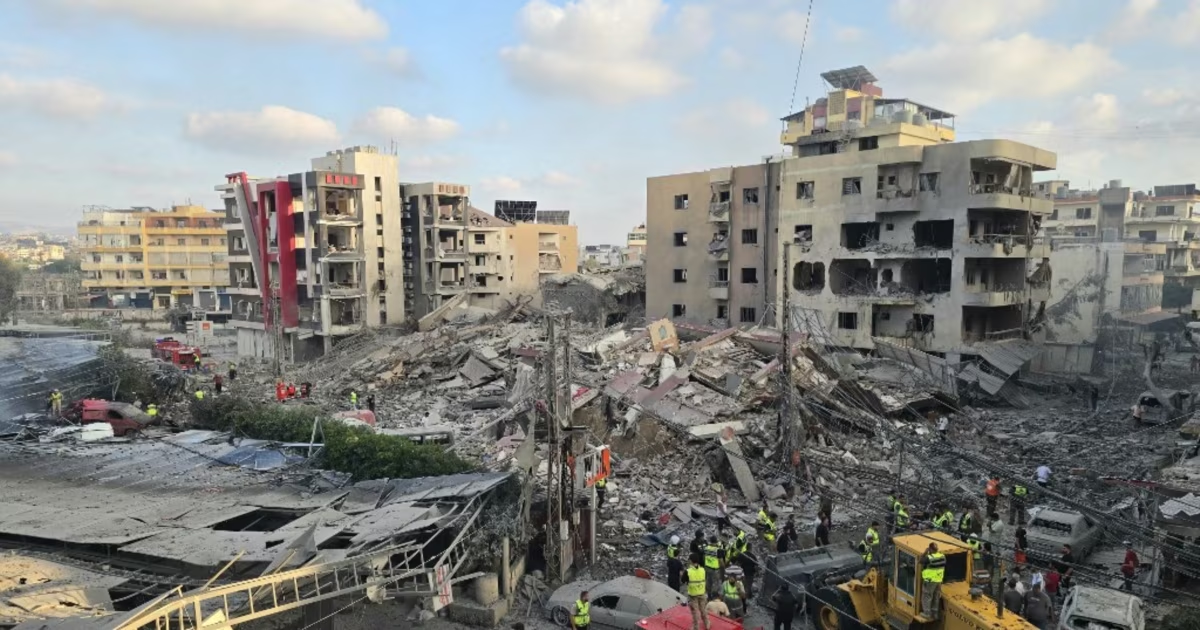
WASHINGTON -- Diplomatic efforts to contain the widening Middle East crisis entered a critical phase this week as US officials sought to keep alive negotiations with Iran amid mounting regional tensions.On June 2, the same day Israeli and Lebanese officials held a fourth round of US-mediated talks in Washington, Secretary of State Marco Rubio told Congress he remained optimistic that nuclear negotiations with Tehran could resume despite growing uncertainty over a fragile cease-fire and renewed threats surrounding the Strait of Hormuz. Rubio also insisted that sanctions relief would remain tied to Iran's nuclear program and not to any reopening of key shipping routes.Meanwhile, Iran-linked actors across the region continued to test the limits of the uneasy truce, with Hezbollah rejecting a "partial cease-fire" proposal and US military officials reporting new Iranian missile activity against regional targets.To better understand the state of the Iran talks and whether the region is moving toward a new strategic order, RFE/RL spoke with Dania Arayssi, program head and senior analyst at the New Lines Institute for Strategy and Policy, whose work focuses on Lebanon and the broader Middle East.RFE/RL: As Washington pursues both Israeli-Lebanese talks and broader negotiations with Iran, how significant are today's meetings? Do they represent real progress, or are they largely symbolic at this stage?Dania Arayssi: Iran always likes to bring Lebanon into any negotiation with the US, but I think it's important to distinguish these two elements. What's going on in Lebanon is that the Lebanese government is trying to reclaim its sovereignty, its territory, and control over its borders, and that's something it has been trying to do for a very long time.But I think Hezbollah, as a terrorist organization in Lebanon, is trying to follow orders from Tehran, and the continuation of launching missiles and strikes on Israel often comes at times when there are slowdowns or setbacks in negotiations between Iran and the US. Tehran is using Hezbollah as an element in Lebanon to sustain pressure on Israel. The Lebanese government has been very clear that it wants to work with Israel to resolve these issues and disarm Hezbollah. I think today's meetings were productive and positive, and I expected them to be because both parties agree on the same objective.
Can Diplomacy Survive? Analyst Dania Arayssi On Iran, Hezbollah, And The Struggle For A Deal
Diplomatic efforts to contain the widening Middle East crisis entered a critical phase this week as US officials sought to keep alive negotiations with Iran amid mounting tensions. RFE/RL spoke with Dania Arayssi, program head and senior analyst at the New Lines Institute for Strategy and Policy.
1,540 words~7 min read