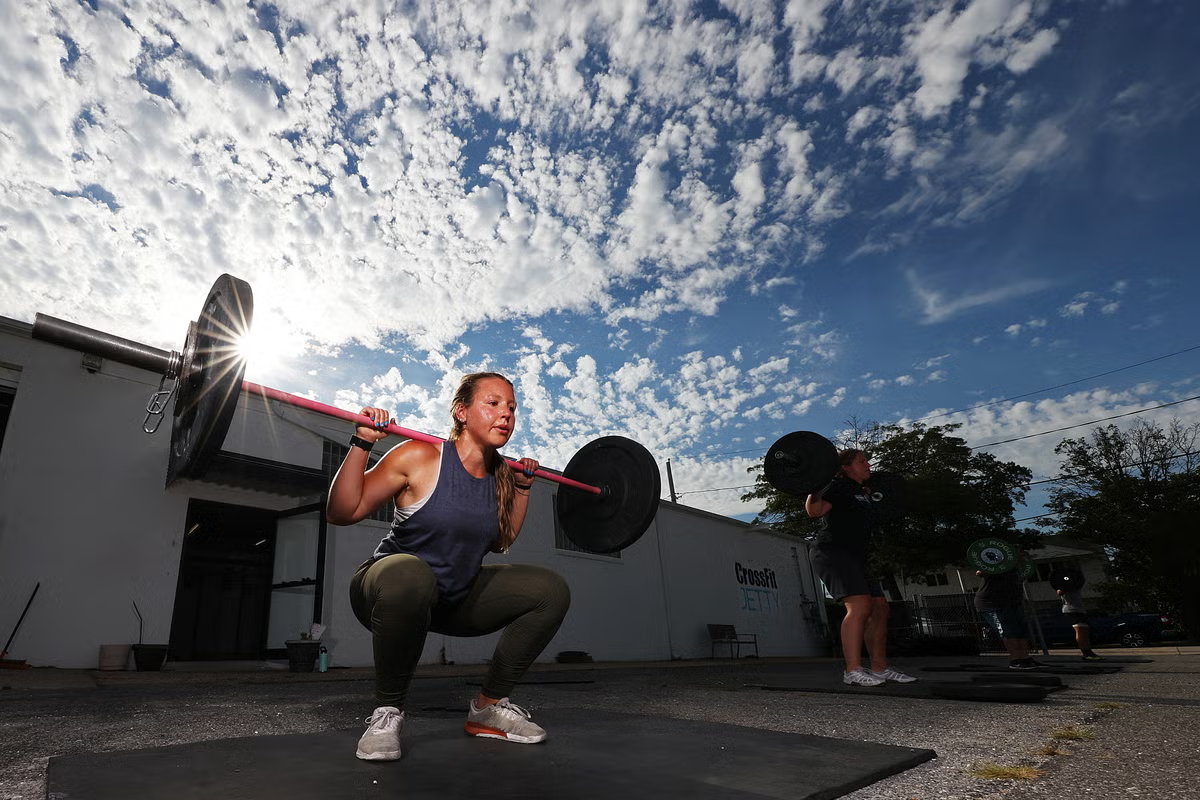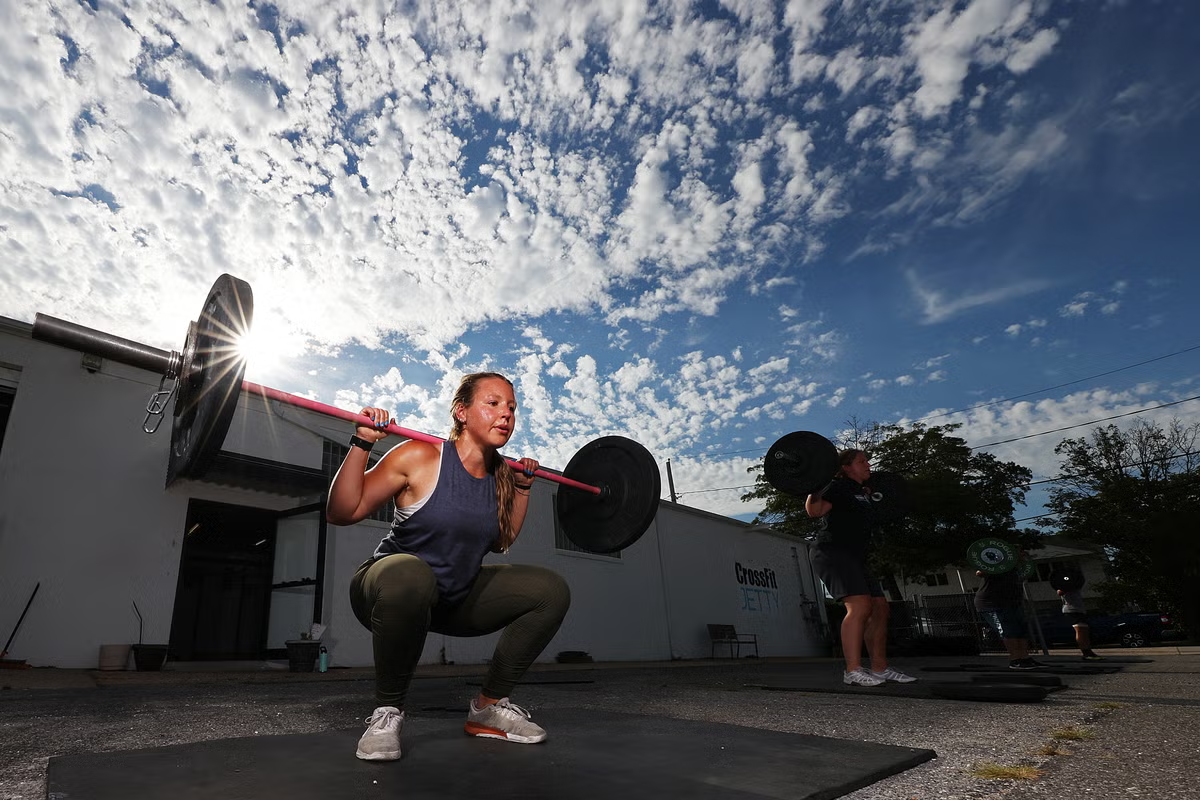
A major long-term study has found that one particular exercise is linked to lower mortality rates and could make a significant difference to your health09:54, 03 Jun 2026New research reveals that just 90 minutes to two hours of weight training weekly could substantially cut the risk of premature death, a major long-term study has found. The findings, published in the British Journal of Sports Medicine, show that regular resistance exercise is associated with reduced mortality rates across numerous serious illnesses.Researchers discovered that individuals who regularly undertake strength-based workouts lower their overall risk of death by approximately 13%.How does weight training affect the risk of early death?The study demonstrated particularly significant benefits for certain conditions, reports the Express.Participants who performed regular resistance training were found to have a 19% reduced risk of dying from cardiovascular diseases, including heart disease and stroke.Even more remarkably, the data indicated a 27% decrease in deaths associated with neurological conditions.Researchers said these advantages persisted even after accounting for other types of physical activity.What did the study look at?The investigation monitored 147,374 individuals over three decades. Of those, 115,834 were women and 31,540 were men.Participants reported their exercise routines through questionnaires issued every two years, detailing both strength-based and aerobic activity.Strength training included exercises, such as weightlifting, resistance band work and bodyweight movements like squats and lunges. Aerobic activity included walking, running, cycling, swimming, tennis and squash.Scientists explained that this enabled them to assess the individual and combined impact of various forms of exercise.Is there an ideal amount of exercise?The research revealed that combining strength training with aerobic exercise delivered the greatest health advantages.Participants who kept up high levels of both types of activity experienced reductions in mortality risk of up to 58 per cent.Nevertheless, scientists also pinpointed a clear ceiling, with no further benefit recorded beyond approximately two hours of weekly resistance training.They determined that the most effective approach is a well-rounded routine, rather than concentrating solely on one form of exercise.What do health experts say?NHS guidelines recommend that adults perform strength exercises targeting all major muscle groups on at least two days per week.It also suggests at least 150 minutes of moderate-intensity activity, or 75 minutes of vigorous exercise, every week.Tom Burton, strategic lead for health and wellbeing policy at Sport England, said strength-based activity is crucial for healthy ageing.Article continues belowHe said: "Strength-based physical activity is a powerful tool, particularly in support of healthy ageing, helping prevent or delay poor health, keeping us mobile and independent and easing pressures on overstretched health and care services."According to Sport England research, active lifestyles help to prevent approximately 3.3 million cases of chronic illness annually, saving the healthcare system a substantial £6billion.
Just 90 minutes of one exercise a week could cut early death risk
A major long-term study has found that one particular exercise is linked to lower mortality rates and could make a significant difference to your health
TL;DRAI
90 minutes weekly resistance training cuts overall mortality 13% and neurological deaths 27%, per 30-year study of 147k individuals. Combined with aerobic exercise delivering 58% mortality reduction, strength training optimizes workforce wellness and reduces healthcare costs.
445 words~2 min read