As a yoga instructor in a clinic for people with eating disorders, I don’t see many straight cisgender male clients. But when I do, many have one thing in common: military service.
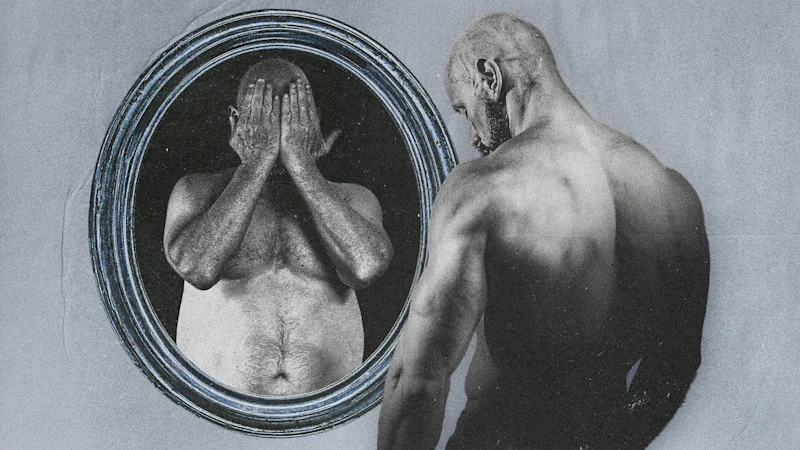
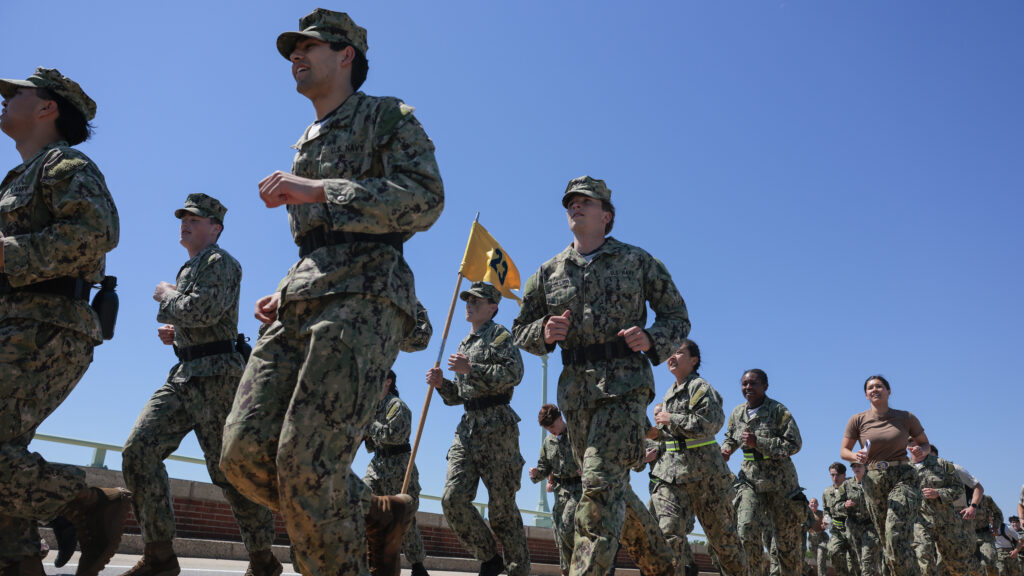
It is so common that, anecdotally, I would say a military background is one of the greatest risk factors for eating disorders in this population. Indeed, troops and veterans experience eating disorders and disordered eating at higher rates than civilians. For example, veterans have bulimia at rates about three times higher than civilians. Many of the male service members and veterans I work with feel their bodies will never be lean enough, strong enough, or “combat-ready” enough.
That is why I was troubled by remarks made by Defense Secretary Pete Hegseth during a Sept. 30, 2025, address to all branches of the military. In the speech, he criticized what he described as “fat troops” and “fat generals and admirals.” At the time, I worried such rhetoric could worsen the pressures that already contribute to eating disorders and disordered eating among troops and veterans.
My worry has only increased since then, particularly ahead of the upcoming UFC fight at the White House.
In 2022, the Defense Department relaxed standards for weight and fitness. This move was applauded by many in eating-disorder care, especially as increasingly demanding physical tasks can be supported by technology.