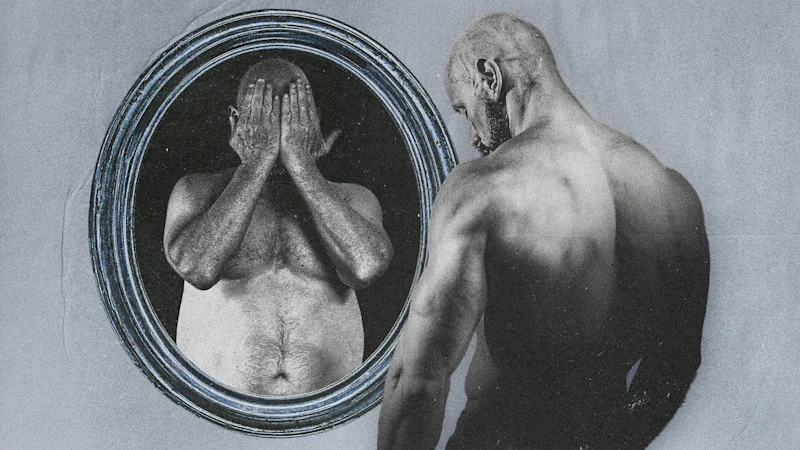
When it comes to body image disorders, the idea of a teenage or young woman probably comes to mind. There’s a reason for that. These are the images we see in pop culture, read about in books and learned about in high school.
While young women are certainly affected by body image disorders, so are young men — a fact that isn’t as well-known, even in the medical establishment.
“Eating disorders in boys are under-recognized, under-diagnosed and under-treated,” said Dr. Jason Nagata, an associate professor of pediatrics in the division of adolescent and young adult medicine at the University of California, San Francisco.
“Many people, including health care professionals, are not aware that eating disorders can occur in boys,” Nagata said, and added that the bulk of the research and diagnostic criteria is based on research involving women.
There are different kinds of body image pressures put on men, and particularly young men. Men are told to be muscular and bulky, much like the superheroes in the movies they grew up on. This leads to a condition known as muscle dysmorphia, or bigorexia, a disorder that’s increased in recent years.