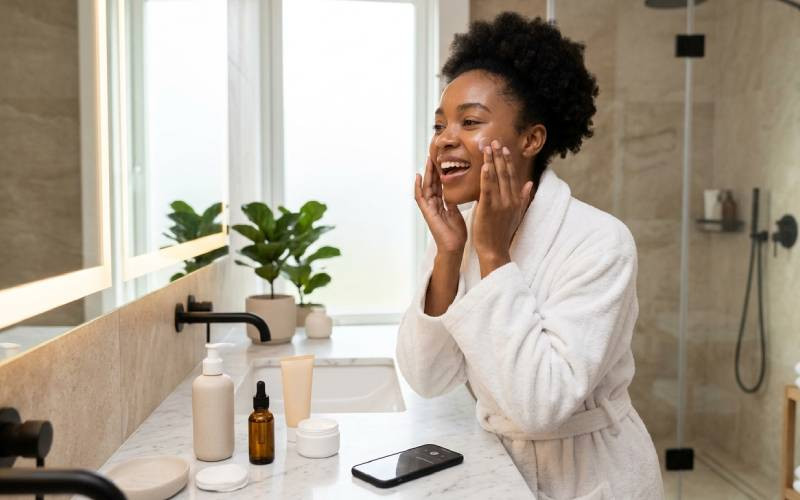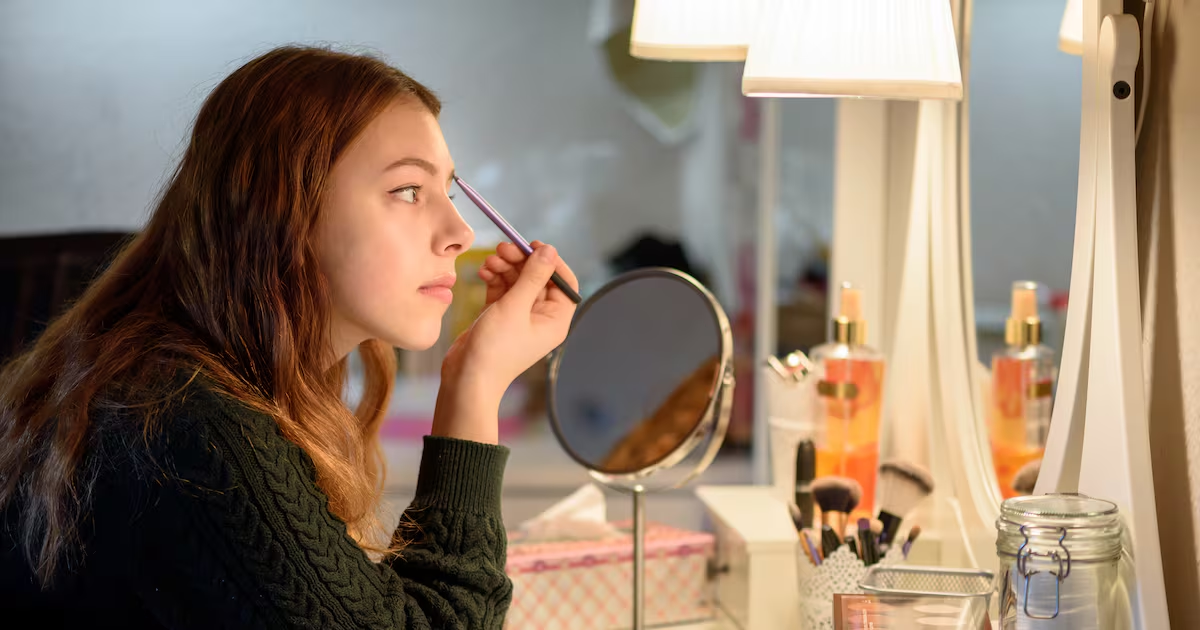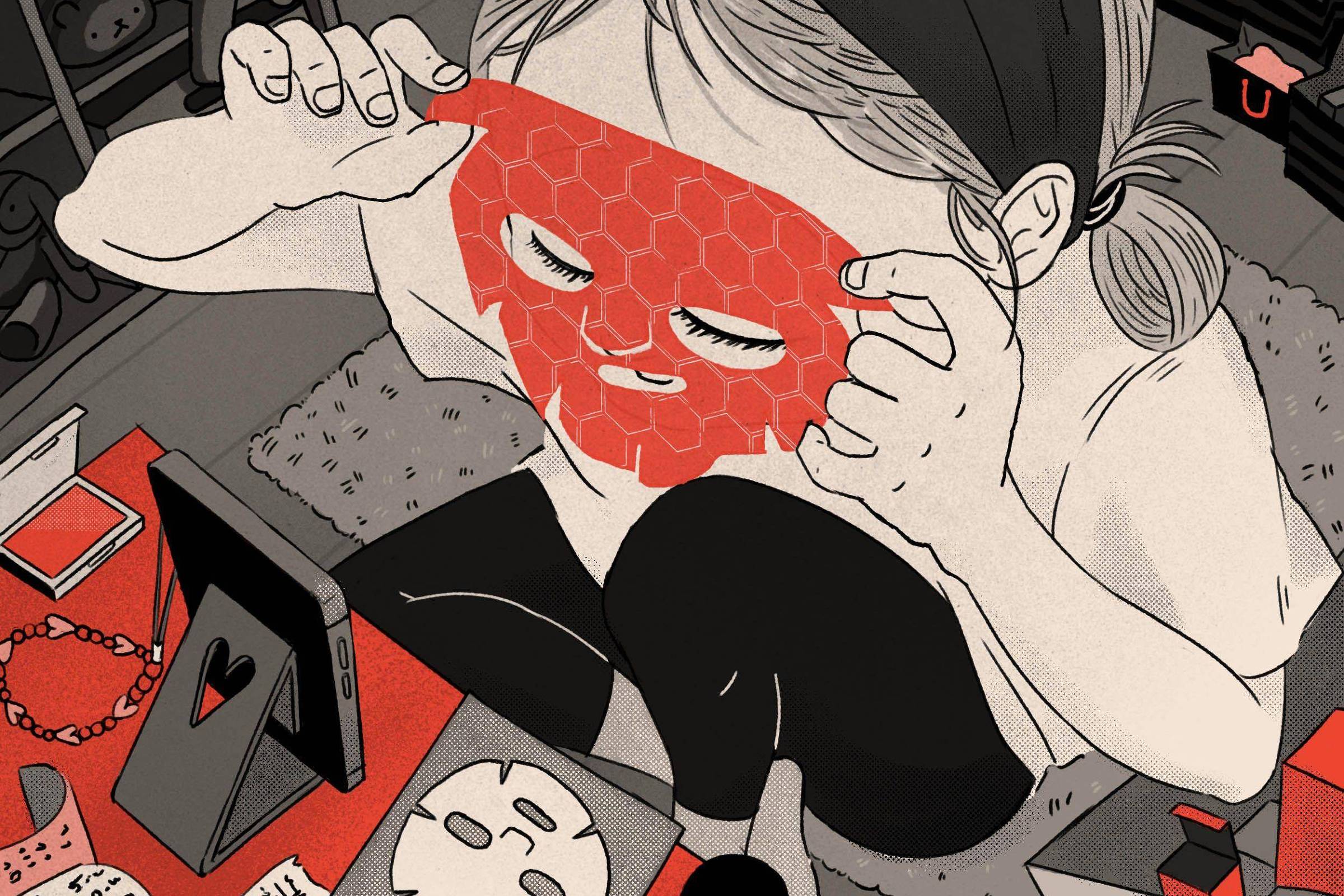
The uptick in children focused on skincare has some experts concerned about body image and mental health. But others warn of the risks of rushing to ‘medicalise’ new trends or behaviours
S
ephora stores are being overrun with tweens pumping product testers. Eight-year-olds film themselves on “Sephora hauls” and GRMW (get ready with me) videos, applying collagen boosting serums and retinol creams for their nonexistent wrinkles. And party bags are stuffed with face masks and fluffy headbands, instead of glitter and gummy bears.
The rise of Sephora kids is a widely reported issue, but the uptick of children “obsessed” with skincare has some experts concerned about the long-term effects of age-inappropriate products and increased occupation with appearance at such a pivotal age.
A new term has entered the lexicon: “cosmeticorexia”, meaning a preoccupation or fixation with “flawless” skin. Last month when Italian authorities cracked down on big beauty brands for allegedly targeting younger and younger shoppers, they cited cosmeticorexia as a cause for concern. Also in March, a pair of Italian researchers released a paper, based on a study of adult dermatological patients, suggesting that cosmeticorexia “may represent a clinically relevant mental disorder”. They suggest it requires further understanding, tracking, research and potentially treatment.