TikTok is filled with diet and fitness advice, but not all of it is healthy. And some of it may be quietly warping the way you view your body.
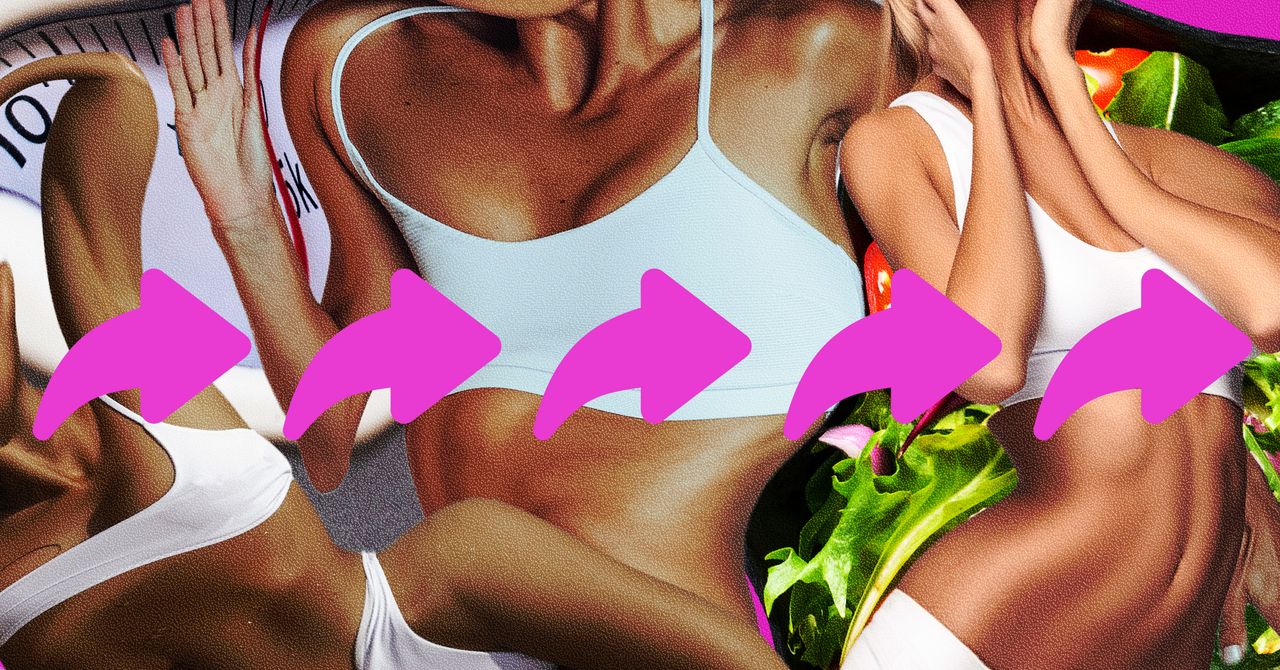
Think “What I Eat in a Day” videos that look more like a fast than a meal, extreme workout routines, body checking clips and other content promoting the message that thin is good and restriction is aspirational. This is the dark corner of social media known as #SkinnyTok ― a hashtag that the platform recently banned to curb harmful “thinspiration” content.
“#SkinnyTok is a space online where thinness is idealized, often through quiet visuals, body checks or aesthetic posts that subtly promote one body type,” said neuropsychologist Sanam Hafeez. “These videos rarely say much directly, but they send a strong message through tone, music and angles. They get shared fast because they tap into insecurities that already exist.”
Despite the hashtag ban, this type of unhealthy content lives on. And experts say the insidious media fuels harmful comparison cycles, unrealistic beauty ideals and disordered behaviors that can erode someone’s relationship with food, exercise and their own body.
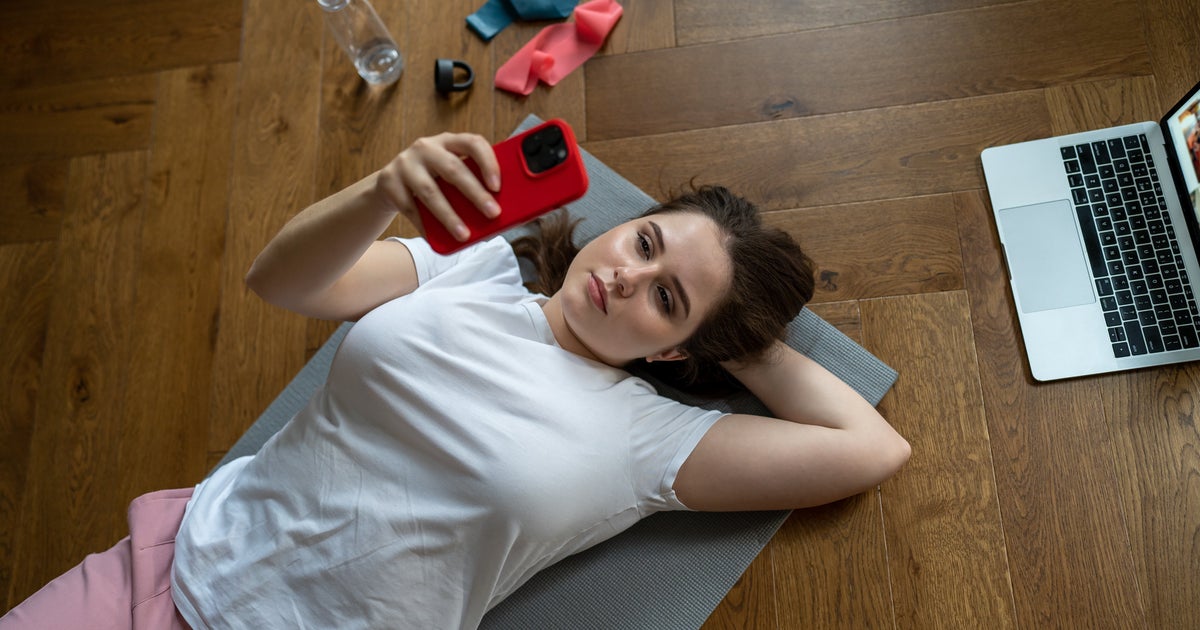
“These videos often glorify extreme thinness, meal skipping and restrictive behaviors ― and they wrap it all in a polished, aspirational aesthetic that’s incredibly appealing, especially to young people,” said Morgan Fereck, a lead dietitian with OnPoint Nutrition. “They’re short, engaging and algorithmically rewarded, which means once you engage with even one, you’re likely to be fed a steady stream of similar content. For teens and young adults, who are still forming their identities and self-worth, this can be especially harmful.”