June 3, 2026 | 03:10 pm
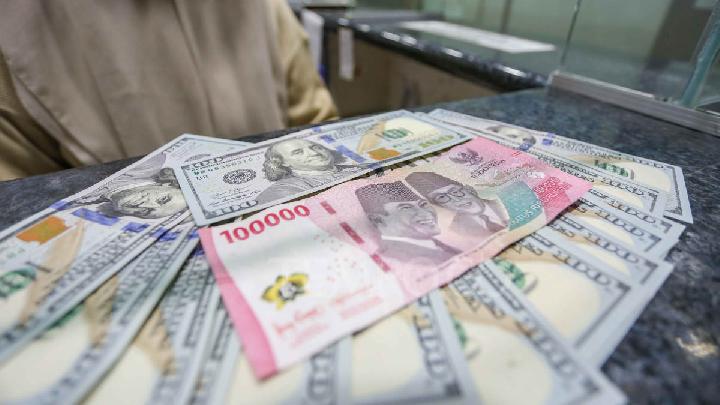
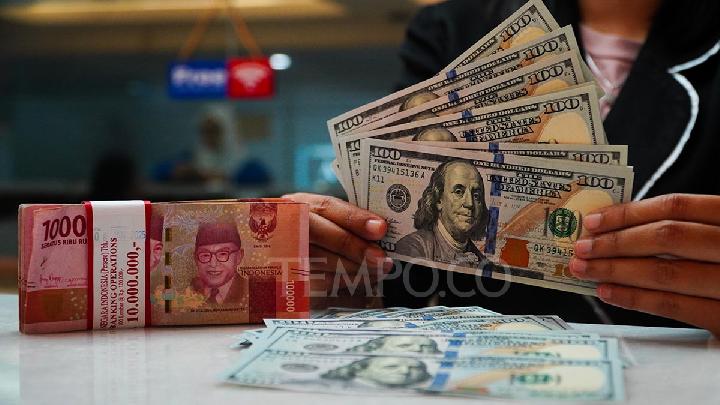
TEMPO.CO, Jakarta - Bank Indonesia (BI) has responded to the rupiah’s continued weakening toward the Rp18,000-per-U.S.-dollar level, after the currency fell to Rp17,930 per dollar on Wednesday, June 3, 2026.Ramdan Denny Prakoso, Head of Bank Indonesia’s Communications Department, said the central bank is closely monitoring developments in both global and domestic financial markets.“Bank Indonesia remains actively present in the market by optimizing all available policy instruments to ensure the smooth functioning of market mechanisms and maintain sufficient foreign exchange liquidity to support financial market stability,” Ramdan said in a statement on Wednesday.As part of its efforts to manage foreign exchange demand, BI said it has implemented a new regulation effective Wednesday that sets a monthly threshold of US$25,000 per customer for cash purchases of foreign currency without an underlying transaction.The central bank is also pushing broader use of local currencies in bilateral trade through Local Currency Transaction (LCT) schemes, aimed at reducing reliance on the U.S. dollar in cross-border transactions.Ramdan said maintaining rupiah stability also requires close coordination between policymakers and market players.“Bank Indonesia continues to strengthen coordination with the government, the Financial Services Authority (OJK), banks, businesses, and market participants to ensure that market mechanisms function properly and to reinforce the external resilience of the national economy,” he said.Market observers, meanwhile, point to both global and domestic factors behind the rupiah’s weakness.Ibrahim Assuaibi, director of PT Trijaya Pratama Futures, said external pressures have been fueled by stalled negotiations between the United States and Iran, which have contributed to rising global crude oil prices and heightened uncertainty in financial markets.“The increase in global oil prices has added pressure on the rupiah,” Ibrahim said in a statement on Wednesday.Domestically, he highlighted strong demand for U.S. dollars as another key factor weighing on the Indonesian currency.“People are increasingly shifting their funds from conventional savings accounts into foreign currency-denominated deposits,” he said.To ease pressure on the rupiah, Ibrahim said the government must preserve economic stability and maintain household purchasing power. He urged authorities to ensure adequate supplies of imported goods affected by exchange-rate fluctuations and provide targeted stimulus measures to support consumers and sustain economic activity.Read: Rupiah Weakens Further to Rp17,926 per Dollar