By Anna Tibaijuka
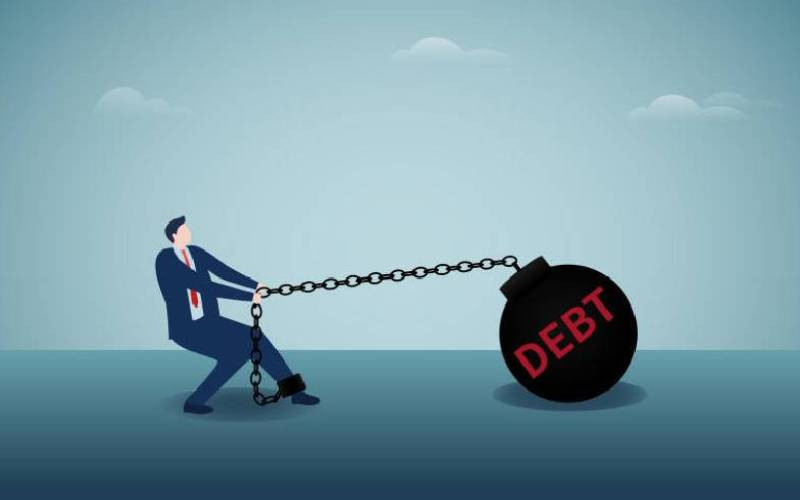
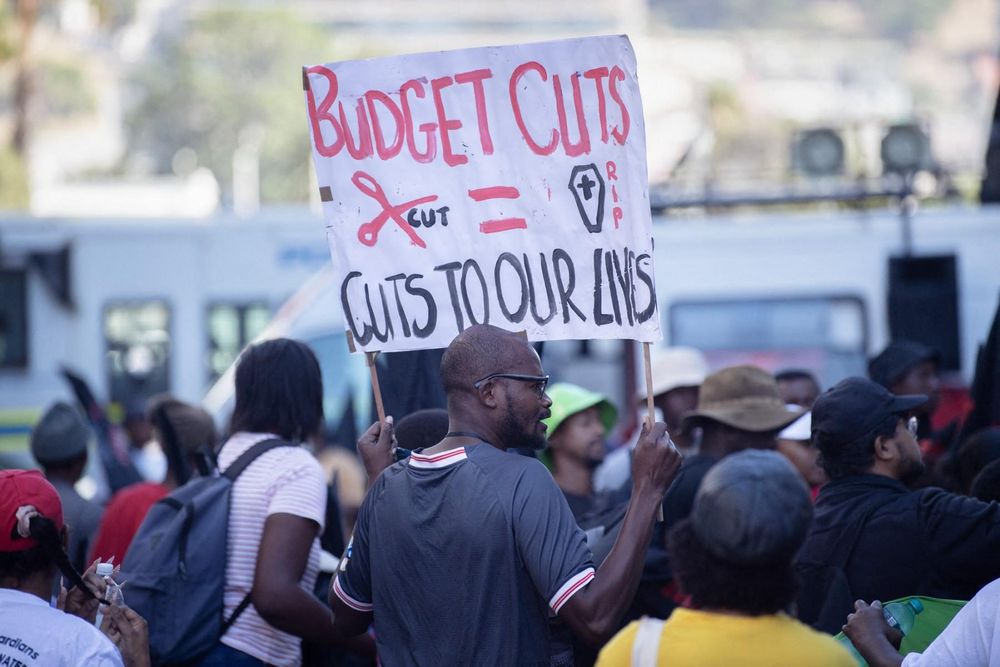
Few economic issues provoke stronger political emotions than national debt. Around the world, governments defend borrowing as necessary for development while critics warn about future burdens on taxpayers and loss of economic sovereignty. Tanzania is no exception.
As public debate over the country’s growing debt intensifies, it is important to begin not with slogans or partisan positions, but with a clear understanding of what national debt actually is, why countries borrow, what distinguishes productive borrowing from dangerous indebtedness, and why the debt question ultimately concerns not only economics, but also the welfare of future generations.
Related
How Tanzania can build a strong and inclusive insurance industry