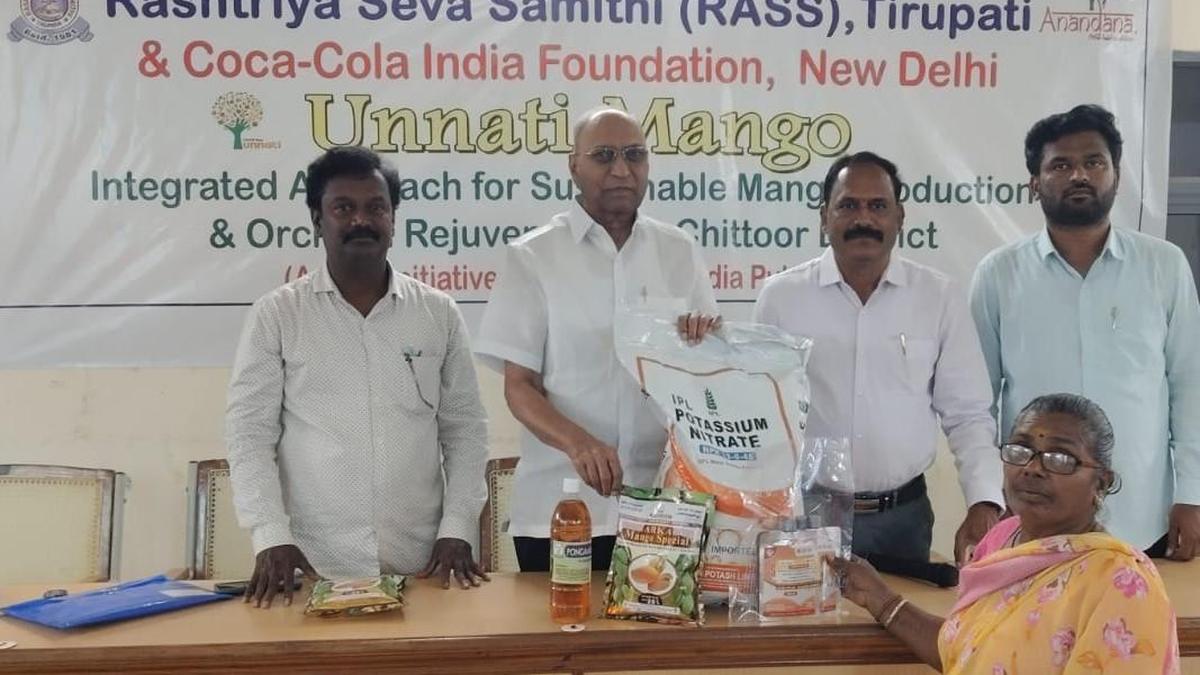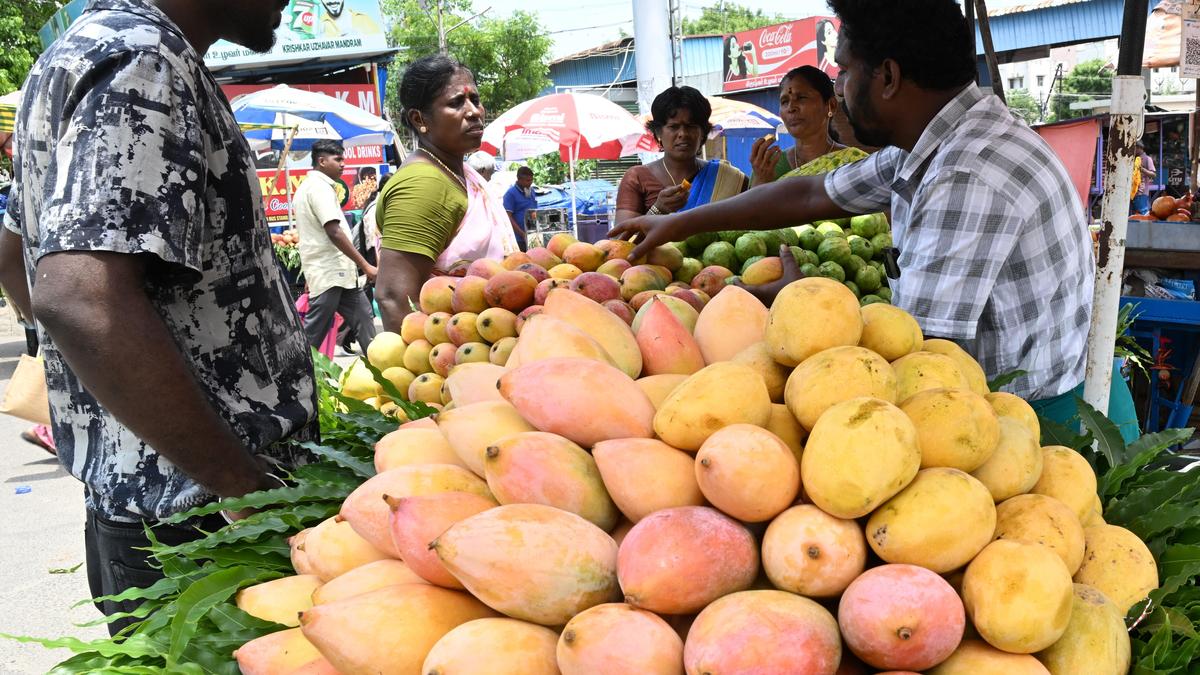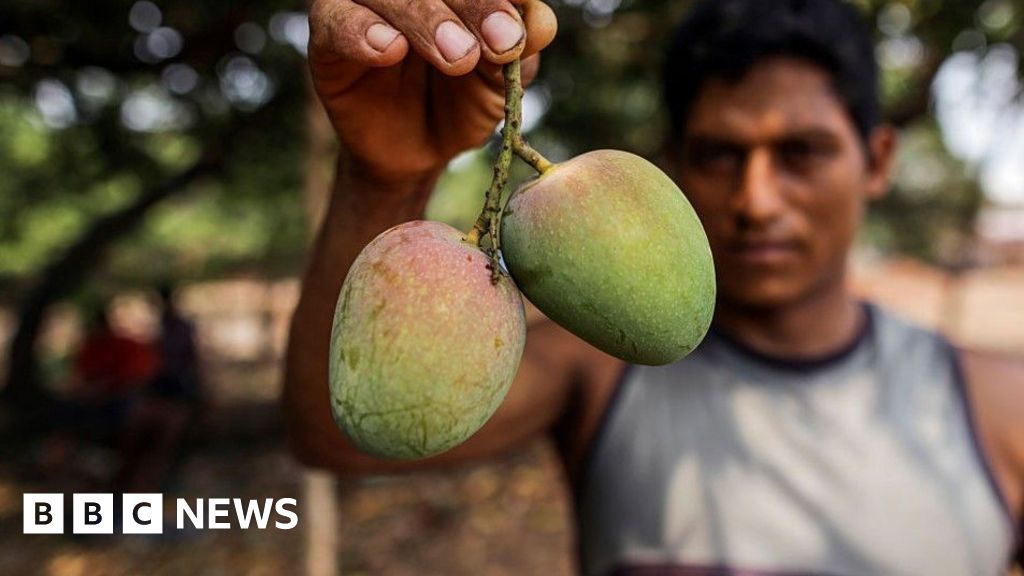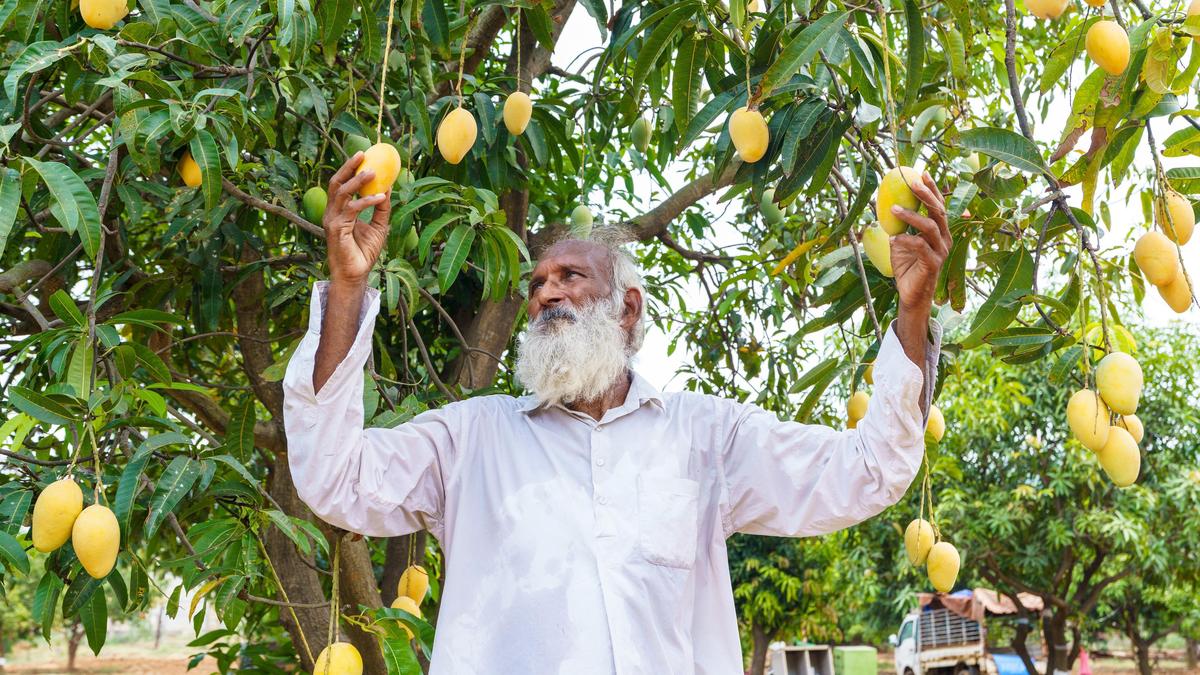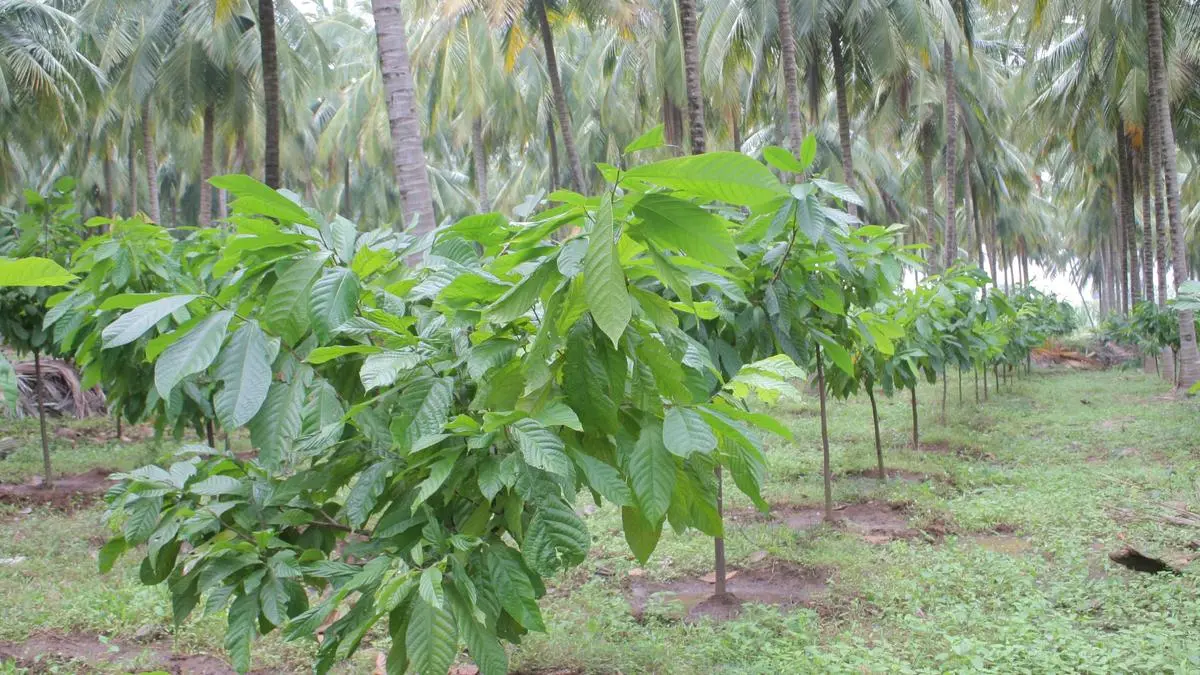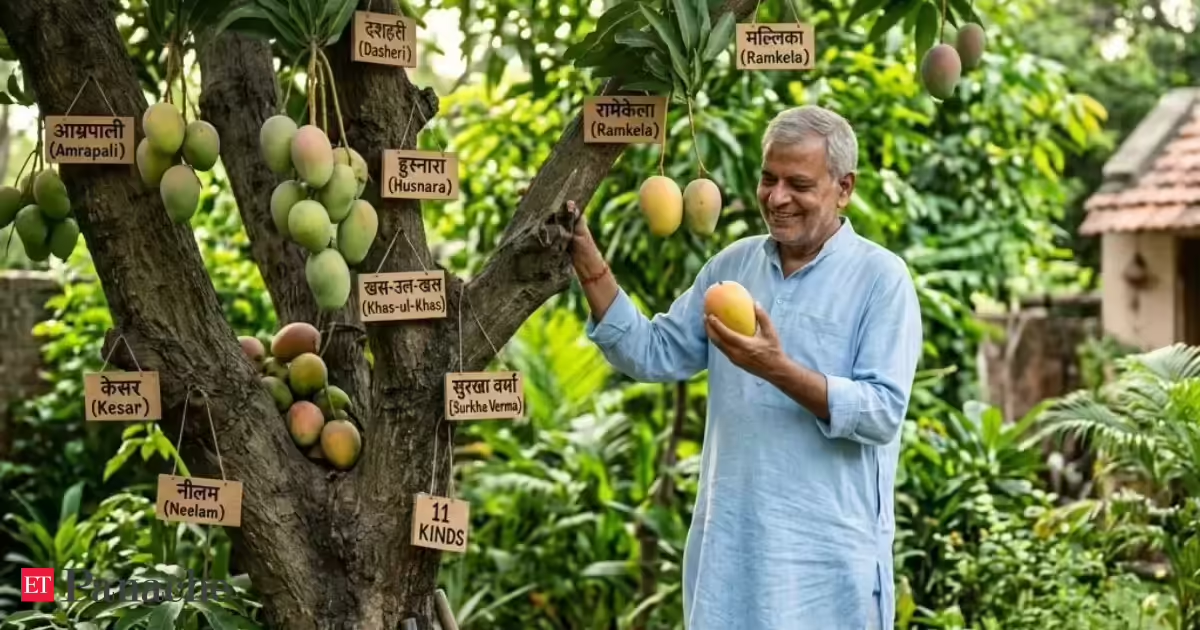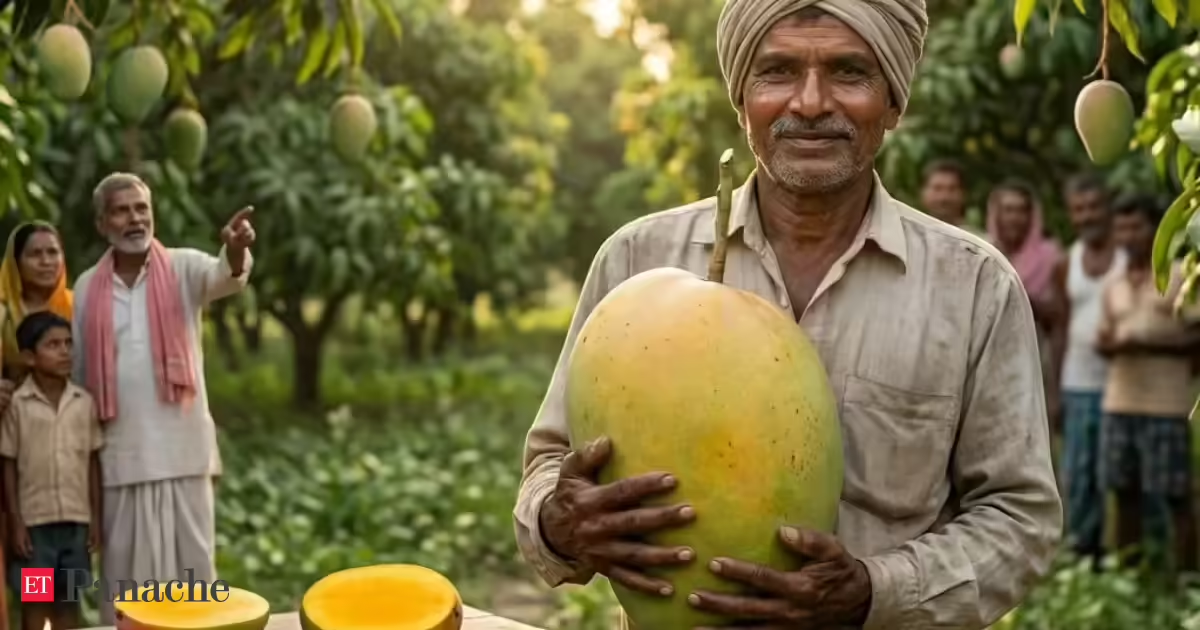
M Suresh, a middle-aged farmer from Andipatti in Tamil Nadu’s Theni district, was growing cashew on two acres of farm and a traditional mango variety on one acre a couple of years ago.In 2024, he switched over to growing mangoes on all his 3 acres. With double the productivity of the king of fruits and easy maintenance he is having a good time, thanks to Coca-Cola Foundation’s Project Unnati. “I shifted to mango because I can harvest it at least twice a year,” he said in an online interaction with businessline.Harvest in November-DecemberHis colleague R Rajendran said under the project, farmers have adopted ultra high-density planting (UHDP) and they can get 10-12 tonnes of mangoes per acre a year against 4-5 tonnes earlier. “We even get to harvest mangoes in (Tamil calendar month) Karthigai (November-December) and sell them for ₹30 a kg. UHDP saves labour costs. It is easy to maintain as the height of the trees is below 6 ft,” he said. For decades, farmers in Theni district have been heavily dependent on traditional mango cultivation, characterised by wide spacing, long gestation periods (5–7 years), and low, inconsistent yields. Despite sustained effort, this resulted in unstable incomes and limited scalability for smallholders.But the project has changed the economics of mango farming. It is helping them to harvest the fruit of their toil with higher yield, double the harvest and higher income. The project, which was launched in 2023 in Theni and Dingidul districts, has now spread to Dharmapuri and Krishnagiri districts.Changing economicsG Rajaraman, Subject Matter Specialist (SMS), Horticulture at the ICAR Krishi Vigyan Kendra, Theni district, said under Project Unnati’s Mango Initiative, farmers are transitioning to UHDP, drip irrigation, and scientific canopy management, which has changed the fundamentals of mango farming.The project was launched in 2023 in Tamil Nadu’s Theni and Dindigul districts. Coca-Cola took an interest in this to help meet its demand for mango pulp.“Initially, we started with 2,000 farmers with Coca-Cola giving free grafted seedlings of Neelam and Bengaluran mango varieties. Farmers were given 50 seedlings of each variety. They were given training on all cultivation practices, particularly to tackle pests and diseases,” said Rajaram. Under UDHP, mango seedlings are planted 5 metres apart, compared to 10 metres for the traditional variety. Spreading wingsThe project saw farmers uproot old trees to plant these UHDP saplings, which resulted in the gestation period shrinking to 2 years from 6-7 years. “We actually pluck and throw the first flowering, so that from the next stage, there will be a higher yield,” he said.At least 100 farmers are given training twice a week in every village. This has brought more farmers under the project. Project Unnati has now spread to the Dharmapuri and Krishnaigiri districts in the State. “In the first phase, mango cultivation was taken up on 1,500 hectares in Theni and Dindigul districts. In the second phase, 1,800 hectares have been brought under the project in Dharmapuri and Krishnagiri districts,” said Rajaram.Since the farms in Dharmapuri and Krishnagiri are rain-fed, the Tamil Nadu government came forward to provide a 100 per cent subsidy for drip irrigation. “Project Unnati had helped to increase the area under mango to 55,000 hectares,” he said, adding that the yield goes up at high as 15 tonnes per hectare on some farms. The road to the projectM Arun Raj of the Soil Science Department said six subject specialists take care of the project from land preparation to seed to pest management to marketing. “One of the problems with the soils is that the salt content in them is higher. We guide the farmers to reduce it using organic manure and deoiled neem cake,” he said. P. Patchaimal, founder of non-governmental organisation (NGO) Centre for Development and Communication Trust (CENDECT0, said horticulture crops such as banana, grapes, coconut, flowers, mango and other fruits are grown in 8 blocks of Theni district under the command area of the Vaigai river.In regions such as Bodinayakanur, Periyakulam, Andipatti and Cumbum, Coca-Cola began the Unnati project for grapes. “We grew panneer (Muscat Hamburg) grapes and produced value-added products such as juice and non-alcoholic wine,” he said.Following this, Coca-Cola asked the NGO to take the mango project, which was initially launched by giving 1,000 farmers free seedlings in Theni and Dindigul districts. Following this, technology transfer helped to get the yield in 3 years. Cutting water intakeThe NGO also trains women entrepreneurs at its incubation centre in food processing, particularly in bananas and mangoes. “We help them in millet processing too. We train 100 women in a year, and so far, 300 have been trained,” said Patchaimal.The Unnati Mango Projects had helped in reducing water usage by 40-50 per cent, with drip irrigation coming in handy for farmers. Farmers are reaping the benefits of two or three crops a year, but they are a bit worried about getting lower prices during the peak season between April and July.“It can be set right if we have a pulping unit. Right now, it is not economically feasible to take the mangoes to Krishnaigiri from Theni or Dindigul for pulping. We have sought the State Government’s help and are likely to get one such unit here,” said Patchaimal Published on June 3, 2026
Tamil Nadu mango farmers reap succulent harvest with scientific, high-density planting
Under Coca-Cola’s Project Unnati, growers now get higher yields, better returns, while they save on maintenance and labour costs
TL;DRAI
Tamil Nadu farmers doubled mango yields (10-12 tonnes/acre) and cut crop cycles from 6-7 to 2 years via high-density planting and drip irrigation, Project Unnati. Scaled deployment across 3,300 hectares demonstrates supply-chain optimization and enterprise technology adoption patterns.
871 words~4 min read