Get the latest news and updates from Dawn
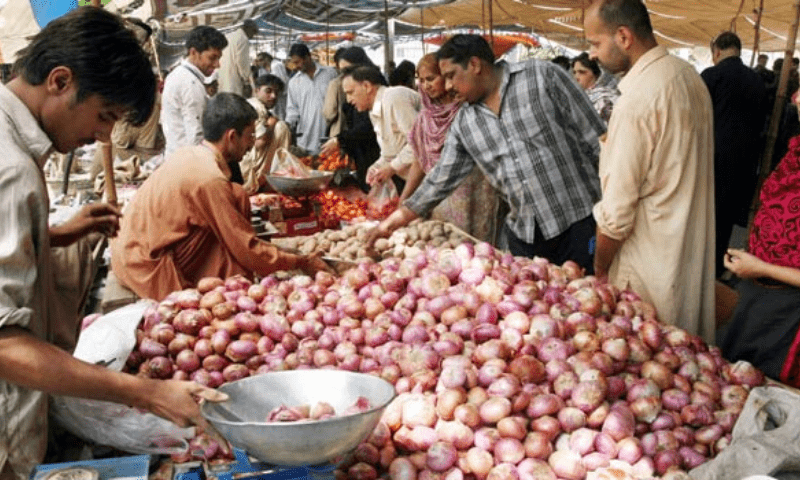
Informality dominates Pakistan’s economy, constraining fiscal growth, productivity and documentation. An Islamabad Policy Research Institute report estimates it at 59 per cent of GDP in FY25, spanning retail, real estate and agriculture. While this structure enables widespread employment generation, it also suppresses productivity and limits tax collection, creating distortions in fiscal outcomes.
The sheer scale of informality in Pakistan’s economy is a central reason why banks remain reluctant to extend credit to agriculture and small and medium enterprises (SMEs), even under government-sponsored schemes that lack collateral backing. “With a majority of economic activity taking place outside formal documentation channels, lenders face significant challenges in verifying borrower credentials, assessing repayment capacity and managing risk,” argues Pakistan Banks Association (PBA) secretary Mir Nejib Rahman.
In agriculture, fragmented landholdings, undocumented tenancy arrangements, and weak record-keeping further complicate due diligence. Similarly, in the SME sector, the absence of proper accounts and formal business registration limits the ability of banks to confidently deploy capital, even where policy incentives exist.